









A new therapy shows promise for reducing a serious neurologic complication that may result from the potentially deadly equine herpesvirus-1 infection.
A new therapy shows promise for reducing a serious neurologic complication that may result from the potentially deadly equine herpesvirus-1 infection.

Discarded pharmaceuticals and personal care products have a major environmental impact, and veterinary professionals are in a prime position to do something about it.

Darwin’s Natural Pet Products has issued 5 pet food recalls since October 2016. At least 1 pet has died, and now the FDA is stepping in.

In the first study of its kind, researchers examined the connection between idiopathic epilepsy and cognitive dysfunction in dogs.

Proactive, preventive veterinary care for their patients is the goal of veterinary professionals everywhere. It’s also the aim of a new 3-year pet health study launched by Mars Petcare.

A mysterious outbreak in China that killed nearly 25,000 pigs has been traced to bats—an important reminder, researchers say, that identifying new animal viruses quickly and understanding the potential threat to humans are vital to thwarting global disease.

With the popularity of succulents on the rise, it’s important to know which plants are safe and which may be poisonous to pets.

Multiple pathogens, including Chlamydia pecorum and koala retrovirus, are contributing to population declines in Australia.

CBD Health Co. is expanding its line of cannabidiol products to include balms, tinctures, and food supplies for pets.

Did you miss any important news last month? Check out our top 5 most popular articles from March.

Results of a recent study suggest that dogs may be useful in identifying potential biomarkers for lung cancer in people.

A new study challenges the belief that polysynovitis and uveitis are immune-mediated processes in foals infected with Rhodococcus equi.

A new study suggests that veterinarians should routinely assess dogs presenting with noise aversion for musculoskeletal pain.

What is known about feline mesenchymal stem cell biology and immunology? We highlight studies that evaluated the cells’ therapeutic potential in cats.

A recent study asked the question: Does having parvovirus infection as a puppy have a negative health impact later in a dog’s life?

Another raw pet food has been recalled due to possible contamination with Salmonella and Listeria monocytogenes.

New York joins California and Nevada in proposing legislation that would allow veterinarians to prescribe medical marijuana to their patients.

HIV-1 treatment is frequently stymied by drug resistance, but a recent study of feline immunodeficiency virus could provide clues for overcoming this resistance.

The FDA has detected Shiga toxin-producing E. coli and Salmonella in samples of raw pet foods manufactured by Arrow Reliance Inc. prompting additional recalls.

WSAVA has launched a global campaign to secure equitable access to veterinary therapeutics for all veterinarians.

A spike in cases of megaesophagus, a condition not generally associated with food, has led Mars Petcare Australia to recall 1 brand of dog food that all affected pets had been consuming.

Registrants can now take advantage of an early bird special price.

The J.M. Smucker Company has voluntarily recalled several lots of 2 varieties of Milo’s Kitchen dog treats.

A notable amount of puppies are still not receiving adequate socialization prior to 20 weeks old, a new survey says.

A recent study provided new insight into how dogs process and respond to nonverbal vocalizations of human emotion.

A recent retrospective study provided updated information on this relatively uncommon variant of high-grade, T-cell lymphoma.

After testing by the FDA and the Ohio Department of Agriculture, 2 lots of Radagast raw cat food tested positive for Listeria monocytogenes.

Seroprevalence of Neospora caninum is low in German female breeding dogs, a population in which N caninum seroprevalence had not been investigated previously.
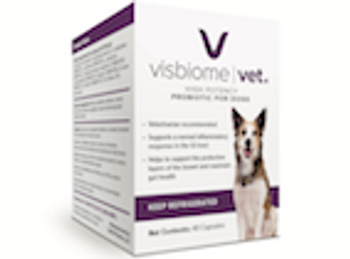
Two studies have shown that a high-potency probiotic marketed for people has great potential to support gastrointestinal health in dogs.

The Pet Effect is real, and it offers an excellent opportunity to show your clients how important you are not only to their pet’s health but to their own health and wellbeing.