

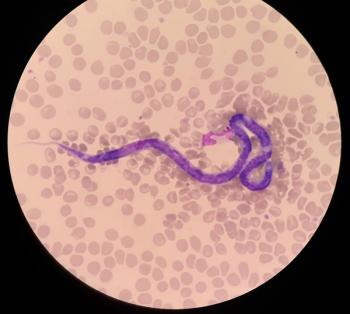
An overview of heartworm disease from a session by Christopher B Adolph, DVM, MS, DACVM (Parasitology) at the 2025 AVMA Convention
An overview of heartworm disease from a session by Christopher B Adolph, DVM, MS, DACVM (Parasitology) at the 2025 AVMA Convention

Melissa Evans, LVT, CVT, VTS (ECC), educated veterinary technicians how to speak up and out for themselves and their patients during her lecture at the 2025 AVMA Convention

Dive into 3 essential takeaways from the 2025 Fetch dvm360 Conference in Nashville
Tatiana Henriques Ferreira, DVM, PhD, MSc, DACVAA, discusses how certain pain management methods affect air and water quality, in a dvm360 interview.

Fifth Annual Awards Honor Veterinary Professionals for Leadership, Compassion, and Lasting Impact
Kyle Bartholomew, DVM, DACVAA, discusses how combining treatment options can lead to improved outcomes.
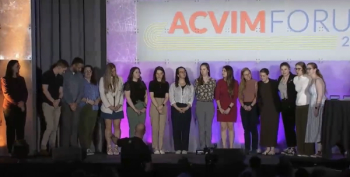
Fifteen honorees were recognized for their investigative work in various specialities.
Jeffrey N. Bryan, DVM, PhD, MS, DACVIM, discusses current methods and the need for advancement in how bone cancer is managed in dogs.

ELIAS Cancer Immunotherapy was combined with chemotherapy in a study with results presented at the 2025 ACVIM Forum.

The study, presented at the 2025 ACVIM Forum, found that cats aged greater than or equal to 15 years old were less likely to receive antihyperglycemic therapy.

Results were presented at the 2025 American College of Veterinary Internal Medicine (ACVIM) Forum in Louisville, Kentucky.
A researcher at the Virginia-Maryland College of Veterinary Medicine talks about her work validating a food frequency questionnaire for use in canine nutrition research

Results of a recent research found a wide variety of ingredients are being used to feed pets.
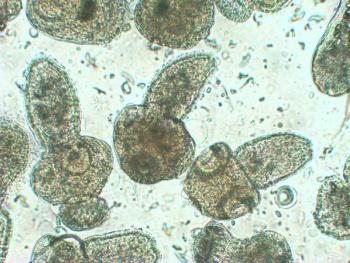
A session at the 2025 ACVIM Forum covered cases of echinococcus multilocularis and its expanding presence in North America, highlighting the One Health risks for both veterinary and human populations.

Frederick R. Appelbaum, MD, recognized for advancing marrow transplantation, talks about the impact of canine research on human and veterinary medicine.
Joshua Stern, DVM, PhD, DACVIM (Cardiology), explains the life-threatening condition in a dvm360 interview.

An infectious diseases human clinician at the University of Colorado School of Medicine offered a unique perspective on antimicrobial stewardship at the 2025 ACVIM Forum in Louisville, Kentucky
Renowned American physician‑scientist Frederick R. Appelbaum, MD, discusses the development of bone marrow transplantation as a curative therapy at the 2025 ACVIM Forum.

Sirolimus delayed-release tablets (felycin-CA1; PRN Pharmacal) have conditional approval from the FDA.

Since dvm360's 2025 conference in the Music City is officially finished, here are some highlights from the show
Tatiana Henriques Ferreira, DVM, PhD, MSc, DACVAA, and Marlis Rezende, DVM, PhD, MSc, DACVAA, discuss which types of cases are ideal for inhalant anesthesia vs total intravenous anesthesia.
Benjamin Bergstrom, DVM, MS, DACVO, discusses the challenges of managing glaucoma in feline patients
Marlis Rezende, DVM, PhD, MSc, DACVAA, discusses the common conditions she sees in practice that best utilize TIVA for pain management.
Tabitha Kucera, RVT, VTS (Behavior), CCBC, KPA-CTP, FFCP, talks about identifying chronic pain in cats
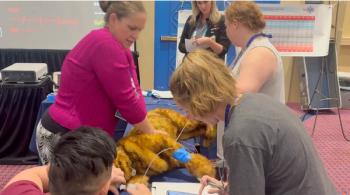
The RECOVER Initiative provided a 2-day workshop for veterinary professionals to learn how to teach a CPR certification course during the NAVC SkillShop event.

Lynsey Mohr, CVPM, is credited with improving access to care at Rehoboth Beach Animal Hospital in Delaware.
Kyle Bartholomew, DVM, DACVAA, provides a piece of advice for all practitioners when prescribing analgesics.
La'Toya Latney, DVM, DECZM (ZHM), DABVP (Reptile & Amphibian), CertAqV, describes what it takes for veterinary professionals to incorporate services for turtles, terrapins, and tortoises into a general practice.
Internalized, harmful narratives about feline behavior can prevent caregivers from seeking appropriate care, according to Tabitha Kucera, RVT, VTS (Behavior), CCBC, KPA-CTP, FFC.