










Long-term prognosis is encouraging after cytoreductive surgery and radiation therapy in a young pug-beagle crossbreed.
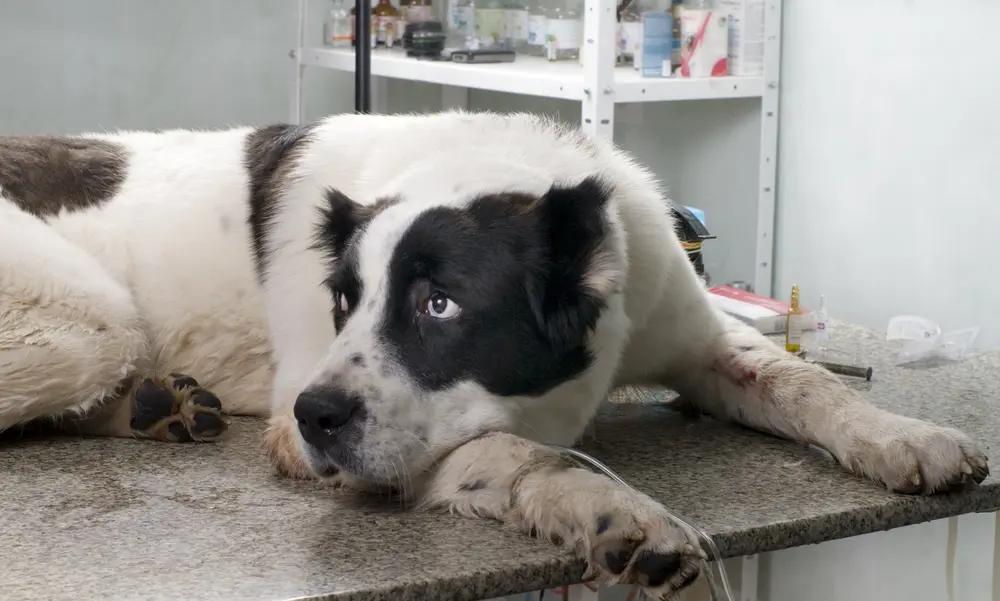
Long-term prognosis is encouraging after cytoreductive surgery and radiation therapy in a young pug-beagle crossbreed.

At New York Vet Show 2021, Heidi Lobprise, DVM, DAVDC, shared her insights on oral pain and pain management.

During a session at New York Vet 2021 a board-certified veterinary dentist discusses his process for safely and successfully repairing oronasal fistula following tooth extraction.
Rapid stabilization, surgical intervention, and intensive postoperative care are key to successful GDV management.

Sinoscopy is a minimally invasive diagnostic procedure that can be performed on the standing horse. The technique can allow good visualization and treatment of paranasal sinus disease and eliminate the need for more invasive procedures such as large bone flaps. Knowledge of the paranasal sinus anatomy is the most important aspect of the procedure.

Trying to find time to sleep as a veterinarian is hard enough—especially when a family shows up on your doorstep in the middle of the night with a veterinary emergency.

Insights and tips to ensure success for this common surgical procedure.
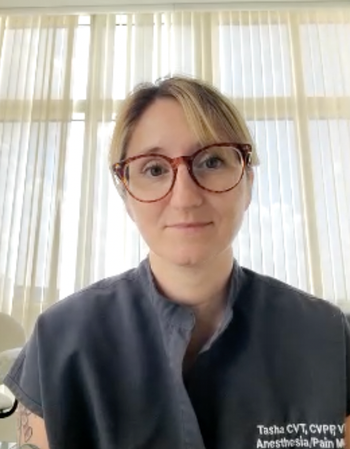
In a recent interview with dvm360®, expert veterinary technician Tasha McNerney emphasizes why using a laryngoscope is key to avoiding accidents in veterinary surgery.

An expert in veterinary dentistry outlines the importance of caring for your machines and accessories to facilitate safe, effective dental procedures.

For a veterinarian in general practice, making the leap into the world of tiny incisions can feel like anything but minimal in terms of training and equipment. Veterinary surgeon Chris Thomson answers some common questions regarding learning curves, feasibility, how to get started, and basic equipment needs.

The timing of spay/neuter surgery—the first major milestone veterinarians must guide a puppy or kitten through—is a big decision for most pet owners. But there is no one-size-fits-all schedule for this procedure. When to sterilize depends on species, gender, and breed, and vets should customize their recommendations to accommodate individual pet needs.

Lateral suture stabilization is a viable treatment option for cranial cruciate ligament injury in dogs. Here are key points for increasing success in these cases.

Boaz Man, DVM, uses CO2 laser to surgically remove a growth from a patient's chin.

Judicious use of dexmedetomidine can be a useful adjunct in the management of dogs undergoing surgery to remove this pancreatic tumor.

Arlo, a 2-month-old intact male Siberian husky, was presented to his primary care veterinarian 1 week after being bitten on the muzzle by another dog.

Most practitioners can confirm that the canine palate includes far more than kibble. Use these tips to make removing linear foreign bodies a little easier.

Conditions in which the eyelid rubs against the eyeball, as well as drooping eyelids, can only be corrected surgically. Here’s a look at the appropriate procedures for various conditions.

Sometimes, splenectomies are straightforward and predictable. Other times, not so much. A veterinary surgeon shares tips for getting better outcomes in splenic torsion cases.

An uncommon but life-saving surgery gave a Labrador retriever and his grateful owner much more time together.
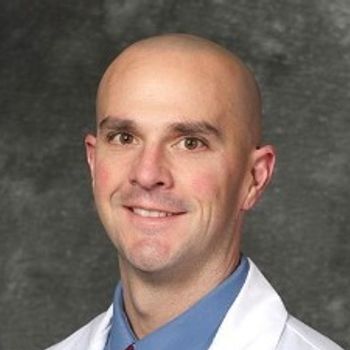
On this episode of The Vet Blast Podcast, Dr. Adam Christman is joined by orthopedic surgeon David Dycus, DVM, MS, CCRP, DACVS, who shares the unique evolution of his career in veterinary medicine.
A new study attempts to understand the potential associations between vector-borne diseases and proteinuria in a southeastern U.S. canine population.
A practice owner who decided to refer all clients to Lap of Love finds that doing so has benefits for both his clients and his practice.
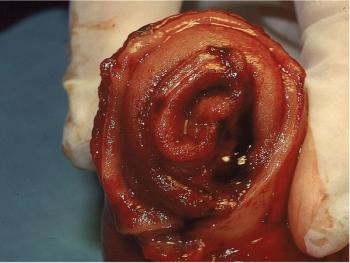
Gastrointestinal motility disorders are a diagnostic and therapeutic challenge for many practitioners. Here’s how to narrow down the affected area so you can identify the cause and provide appropriate treatment.
The supplement Fortetropin has been shown to curb muscle atrophy associated with postoperative exercise restriction in dogs following surgical repair of cruciate tears.
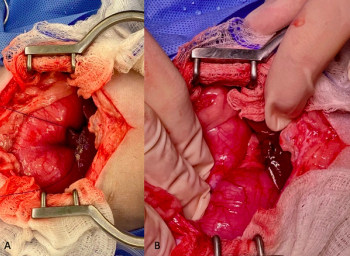
A guide for general practitioners in performing hepatic guillotine and punch biopsy techniques.