










Neurons produce their effect by generating and propagating action potentials. In order to do this, they need to have adequate energy supplies (to maintain resting potential and axonal transport) and appropriate concentrations of electrolytes.


Neurons produce their effect by generating and propagating action potentials. In order to do this, they need to have adequate energy supplies (to maintain resting potential and axonal transport) and appropriate concentrations of electrolytes.

Spinal pain is a common cause of morbidity in domestic pets, but can be frustrating to manage, particularly if the signs are episodic and never present when you see the patient! The pet owners may be more emotional about a painful pet than about other medical problems, and somewhat defensive about describing the signs.

Paraparesis is a common presenting sign in cats, but the differential diagnoses are less well known than for dogs. In addition, it can be challenging to perform a neurological examination in cats, making it more difficult to accurately localize the problem.

Over the last decade, the resources required to perform genetic studies in dogs have been developed and made available.

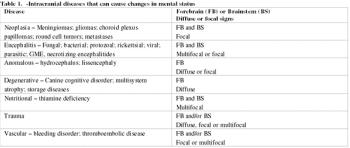
Evaluation of mental status is a subtle and extremely important skill that requires input from the owner in addition to professional evaluation. Changes in mental status can indicate simply a minor systemic illness, or could indicate dangerously high intracranial pressure.

As dogs get older they frequently "slow up". This is to be expected and as a result it is common that such animals do not receive a careful evaluation and a presumptive diagnosis of "arthritis" or "old age" is made.

Seizure disorders, whether they are primary or secondary epilepsy, tend to be progressive because of the recruitment of neurons to seizure foci (also known as kindling). The decision on when to start treatment of seizures is always a compromise between the severity of the seizures, the progression of the seizures and the side effects of anti-epileptic drugs.

Clinical neurology is a very structured discipline. Neuroanatomy dictates that lesions in particular locations will produce a very specific set of neurological signs.

Acute intervertebral disc herniations (Hansen type 1 intervertebral disc disease) are a common cause of devastating neurological signs in dogs. Although there is probably more information on outcome of acute disc herniations than any other disease in veterinary neurology, there is a lot of confusion as to the most appropriate therapy.

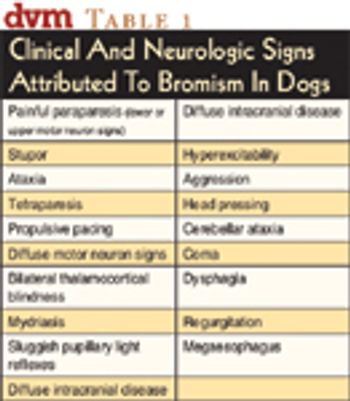
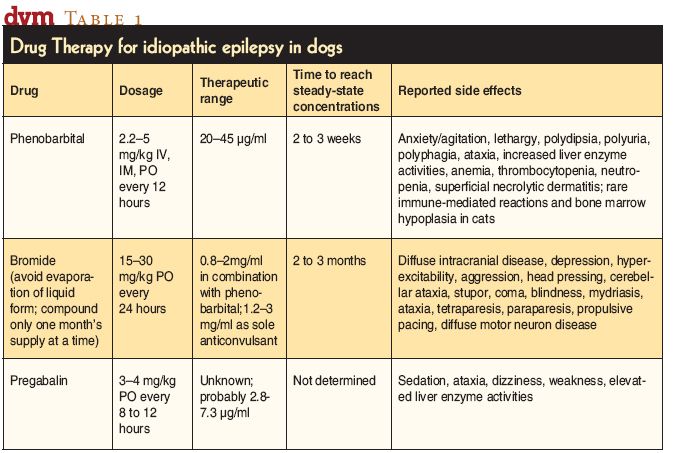
Bromide is considered an effective anticonvulsant drug for treating primary epilepsy in dogs.

The trials of diagnosing neurologic disorders.

Retrievers typically have an active lifestyle, and many are engaged in hunting, field competition, or other strenuous activities such as agility or search and rescue work.

Caring for young can trigger development of new neurons.

This on-demand AVMA course by Dr. James Lavely will discuss how therapeutic considerations for seizures are different for puppies and young dogs compared to mature adult dogs. (1 CE credit)

Acupuncture may be used as a primary therapy or as a complementary, integrative therapy in the treatment of various neurologic conditions.

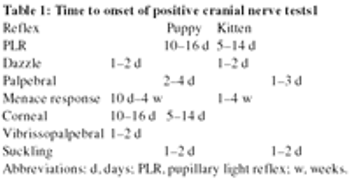
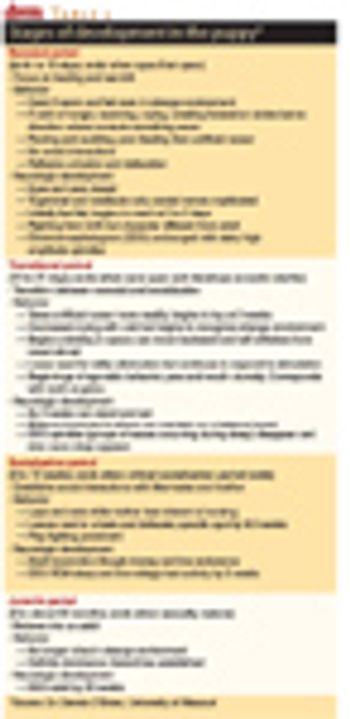
The neurological examination should be performed with great care and with age and use differences in mind.

Disease processes of the cervical spinal cord and vertebral column and the pain and paresis produced by these disorders are a common cause of presentation to the veterinarian.

When a veterinarian is presented with a patient with symptoms of difficulty walking, altered mentation, weakness, collapse or other movement disorders several potential causes must be considered.

Neurologic gait deficits should be evaluated with basic systems and physiology in mind.

Observation of gait is an important component of the neurological examination but often is under utilized when assessing patients with gait abnormalities, lameness, or changes in posture.

A complete neurologic examination is an essential component of the physical examination for patients with suspected neurologic disorders, but is sometimes not performed because of the time constraints of a busy practice.

Disease processes of the cervical spinal cord and vertebral column and the pain and paresis produced by these disorders are a common cause of presentation to the veterinarian.

Make it easy to administer seizure medication.

Neurological emergencies are common in small animal practice.

Trauma is a common presenting complaint in the small animal veterinary emergency room and traumatic brain injury occurs in a high proportion of these patients.