












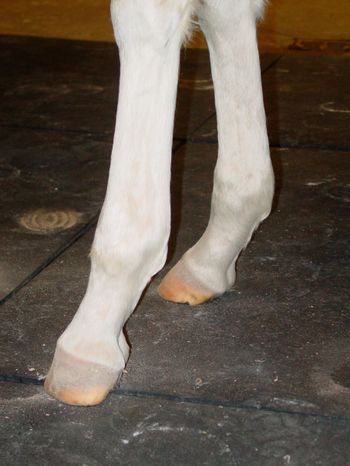
Which joint is most affected by this foal's flexural deformity?
Which joint is most affected by this foal's flexural deformity?

National Report -- Equine herpes virus (EHV-1) has now been confirmed in 44 horses in nine Western states following a national cutting horse event in Ogden, Utah.
Jonesville, Fla. -- A new case of equine herpes virus (EHV-1) has been confirmed at a Jonesville, Fla., farm, although officials say the case is unrelated to a recent outbreak originating in Utah.
National Report -- An outbreak of equine herpes virus (EHV-1) continues to spread with at least 29 cases now confirmed in eight Western states, veterinary officials report.
The California state veterinarian's office confirmed 10 new equine herpes virus (EVH-1) cases today, expanding the scope of the outbreak.
Three equine herpes virus (EHV-1) cases have been confirmed, and others are feared in multiple Western states.

A variation to a routine closed castration in horses.
Few infectious diseases are more confounding to diagnose than equine protozoal myeloencephalitis (EPM).
Food allergy in horses is a confusing, poorly understood and sometimes controversial topic.
While this document does not address equipment such as syringes, needles and radiographic units, it does focus on devices marketed in the liquid form, for use exclusively within veterinary medicine.
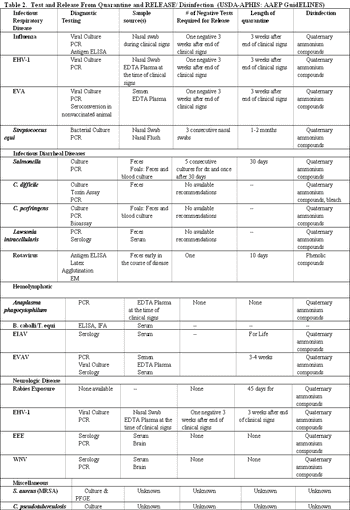
Maintenance of excellent health and biosecurity standards at the level of the farm is the MOST effective way of maintaining an outbreak-free industry. All disease outbreaks have an index case and all index cases have a point of origin. Because horses are usually maintained at a "home" farm, then the origin of any outbreak should be traced back to the farm level.
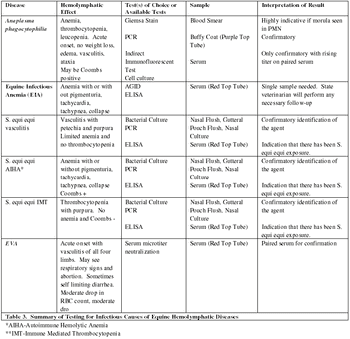
Infectious and non-infectious hemolymphatic diseases generally present with the same clinical symptoms due to cardiovascular insult, lack of tissue oxygenation and possible impending cardiovascular collapse.
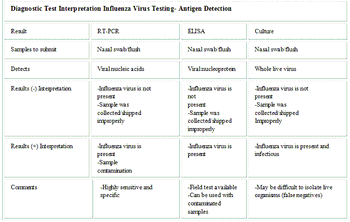
The main advantage of genomic strategies for testing is that a live organism is not necessarily needed for diagnosis. While the fact that diagnosis based on molecular techniques does not require live organism, DNA and RNA are subject to the same microbiological, biochemical and physical factors as live organism for degradation.
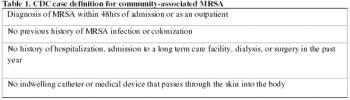
Staphylococcus aureus is an important human pathogen and is a significant cause of hospital acquired (nosocomial) infection of surgical wounds and infections associated with indwelling medical devices. Staphylococcus aureus can colonize the skin and nares of humans which facilitate its transmission, particularly in the healthcare setting.
Salmonella enteriticus, Neorickettsia risticii (Potomac Horse Fever), Clostridium difficile and Clostridium perfringens are most commonly associated with infectious diarrhea in adults. Foals can have a variety of agents including viral causes and bacterial such as Lawsonia intracellularis.
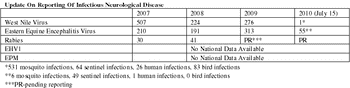
Neurological disease represents 0.3% (affecting between 0.2 and 0.5% of horses depending on age) of all health problems identified by owners in the latest 2005 Equine National Animal Health and Monitoring Study (NAHMS).14 Likely this is much higher given losses in young horses due to non-infectious neurological causes, in all ages of horses from underreporting of encephalitis, and misdiagnoses of these diseases as lameness and trauma.
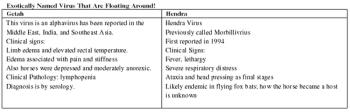
The clinical signs of VEE are similar to both EEE and VEE with a large variation in mortality ranging from 40-90% depending on the outbreak. In addition to subclinical and overt CNS clinical signs, diarrhea has been observed in VEE horses. Florida, Texas, and Louisiana are the three states ecologically at risk but recent activity in Panama could result in a transported case by air travel.
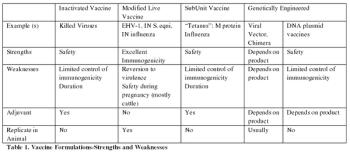
The deliberate induction of active immunity to an agent by exposure to the agent or to non-replicating components, with the intent of inducing protective immunity to challenge with a virulent infectious agent, is termed "vaccination". Actively acquired immunity is that provided by an antigen specific response of the challenged host's own immune system in response to materials recognized as non-self.
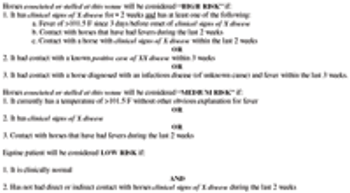
Veterinarians are the first line of defense against infectious disease outbreaks. Current problem and case based equine medicine likely does not prepare new graduates in outbreak control. Control of an infectious disease is based on correct application of the principles of population biology and transmission dynamics of a particular infectious organism, basic microbiology, and basic epidemiology.
What not to do if you suspect a horse is infected with anthrax.
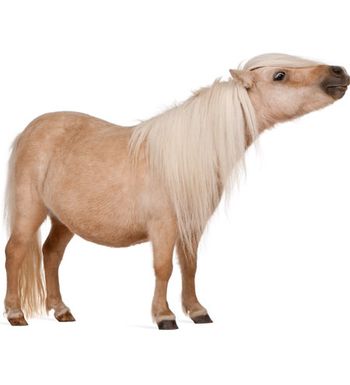
Many horse breeds have a defining characteristic-such as a dishy face or a distinctive color. Study the trait pictured and see if you can determine the breed. Then test your knowledge by clicking the "next" button to see the answer. Start with the horse below.
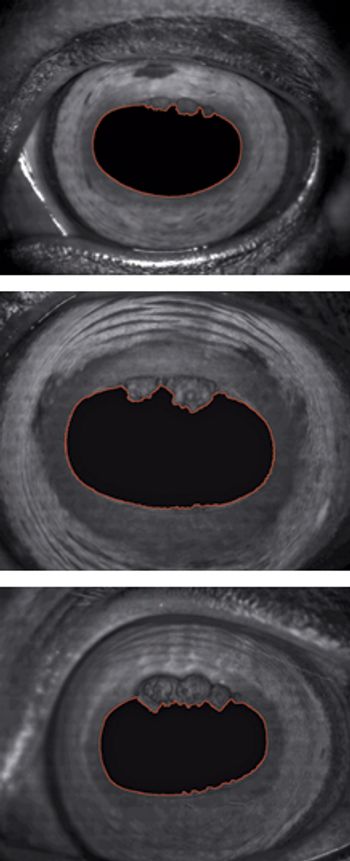
This revolutionary identification system may be coming soon to a horse paddock near you
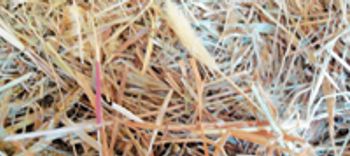
A slobbering horse can signify anything from mild to serious, even fatal disease.
The intralesional use of autologous platelet-rich plasma (PRP) in horses to boost tissue repair after tendon and ligament injuries has rapidly gained in popularity.
Why laminitis is not a big concern when performing this procedure.