

































Help Shape the Future of Veterinary Education

Anesthesiology & Pain Management

Latest News


CE Content


The interview stage is where we separate the women from the girls, the marrow from the bone, the competent from the inept. This is where we decide who is to receive our largesse and enjoy the not-so-great employment opportunity we offer so magnanimously.


Most successful surgical procedures in avian patients, as with other species, require that the veterinarian and his or her staff give special attention to the details of perioperative management. In some instances, special techniques may be required to perform and successfully complete appropriate procedures; however, in many instances the same techniques used in companion species (dogs/cats) may be adapted or adjusted for use in exotic species.

i1_t-141748-1384782797781.gif

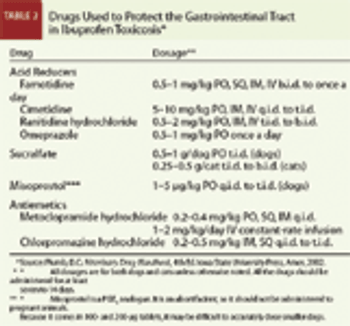
In this article, we offer guidance on what drug or combination of drugs to use, concentrating mainly on postoperative analgesia.

Practitioners might soon rely on a new procedure to alleviate severe chronic pain resulting from cancer, osteoarthritis or surgery. Resiniferatoxin (RTX), first isolated in the 1970s, has been administered during a series of clinical studies to kill specific nerve cells while leaving others untouched.

Las Vegas-Industry leaders just formed the International Veterinary Academy of Pain Management (IVAPM) to increase awareness, recognition and treatment of animal pain by educating students, veterinarians and hospital staff members.

chart1-62254-1384852932422.gif

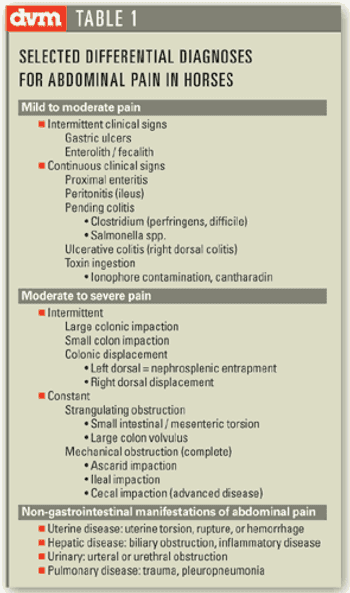
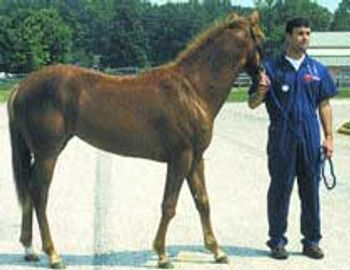
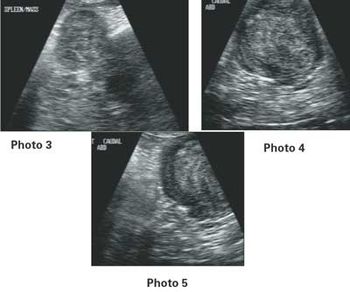
Colic, or abdominal pain, is a relatively common problem that develops in horses of all ages. Practitioners in the field of equine medicine should be familiar with the various conditions that can contribute to abdominal pain. Once a clinical evaluation has been performed the practitioner will be able to narrow the differential list to establish a working diagnosis.

image1-31534-1384864083146.jpg

Treatment of painful conditions in horses has relied largely on nonsteroidal anti-inflammatory drugs (NSAIDs) for much of the last 25 years. For example, flunixin meglumine (Banamine®) and phenylbutazone (Butazolidin®) have dominated the market for treatment of colic and lameness respectively. However, it is becoming increasingly clear that these drugs also have some side effects, most notably gastrointestinal ulceration.