




















Use of non-steroidal anti-inflammatory drugs (NSAIDs) has dramatically improved the quality of life for many dogs with OA.
Use of non-steroidal anti-inflammatory drugs (NSAIDs) has dramatically improved the quality of life for many dogs with OA.
Blood gas analysis gives us information about a patient's acid-base status and pulmonary function.
Anesthesia monitors are only as good as the people who use them. It is imperative to know what is normal so that you can recognize when something is outside of normal.
Average reported neonatal mortality rates (greatest during the first week of life) vary, ranging from 9-26%.
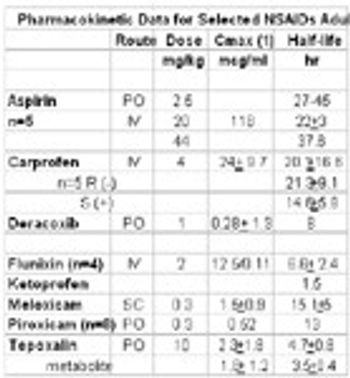
The cat as a species represents a therapeutic challenge when trying to use NSAIDs safely.
Your patient care position.
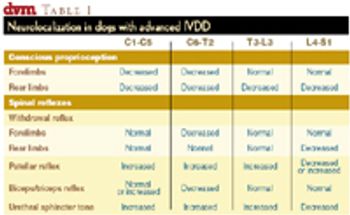
Intervertebral disk disease (IVDD) is one of the most common conditions affecting chondrodystrophic dogs. Signalment, history and thorough neurologic examination are paramount in diagnosing and determining a treatment plan for animals affected with IVDD.

Expert tips to boost your skills.
You may know these tips, but do you follow through?
Veterinarians are making huge strides in managing patient pain. But as the number of treatment modalities has increased, the amount of information veterinarians must learn and apply has also ratcheted up.

Canine hip dysplasia affects millions of dogs each year. Abnormal development in the dysplastic hip causes damage to the articular cartilage of the joint, resulting in osteoarthritis, severe pain and eventually debilitation.
The five modules in the VEO Pain Management course are designed to give the busy practitioner a working knowledge of the vocabulary and concepts underlying the modern approach to pain management in the dog and cat. (5 CE credits)
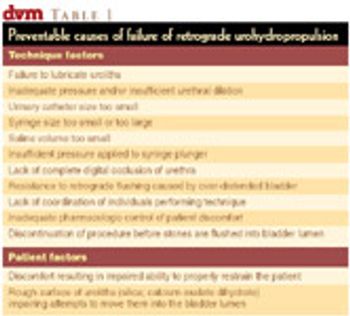
This article describes seven steps for performing retrograde urohydropropulsion.
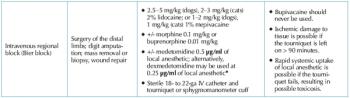
We urge you to amend Table 4 on page 32 in your January issue of Veterinary Medicine so that incorrect dosages are not inadvertently used in the future.
Learn how to manage patient pain more effectively with this interactive CD-ROM. (3 CE credits)
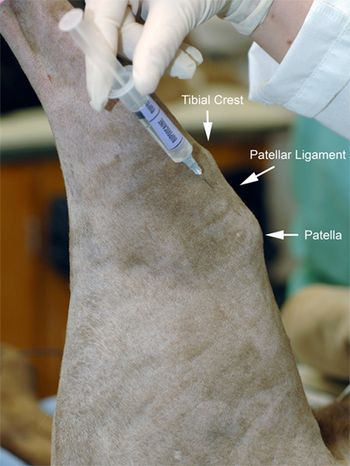
These anesthetic methods, including one recently recommended alternative block, will help you control pain in animals undergoing stifle surgeries, forelimb surgeries, limb amputations, or thoracotomies, as well as in patients with thoracic trauma or cranial abdominal pain.
Re-evaluate your anesthesia protocol to prevent patients going home groggy.
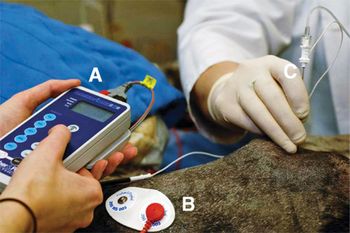
Traditionally, peripheral nerve blockade has been achieved by identifying anatomical landmarks and speculatively depositing local anesthetic agents.
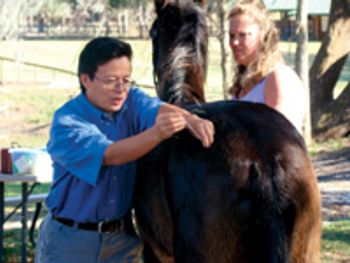
A healing science that dates back thousands of years in another culture has gained acceptance in recent years as a method of diagnosing and treating lameness in horses.
Madison, Wis. - The University of Wisconsin School of Veterinary Medicine is recruiting for a clinical trial designed to evaluate pain relief in post-surgical patients.

Use sterile scissors to remove the tip of a red rubber catheter proximal to the large hole at the distal end, cutting the catheter to the desired length.

This study reviews cases from numerous clinics and evaluates newer sedatives and anesthetics.
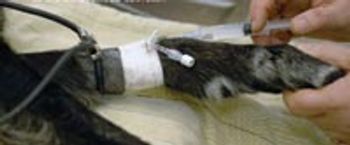
Add these 5 techniques to your clinical toolbox to help lessen your patients' pain.
In this video, Dr. Sheilah Robertson discusses whether cats become dysphoric when given opioids.
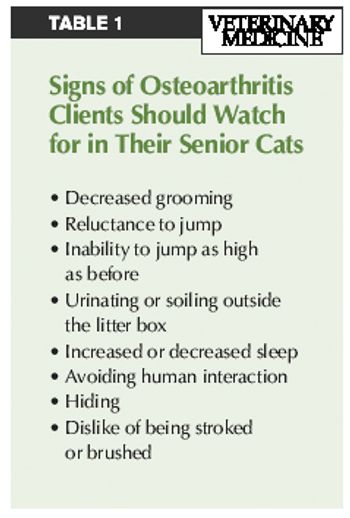
Osteoarthritis may be categorized as primary or secondary.