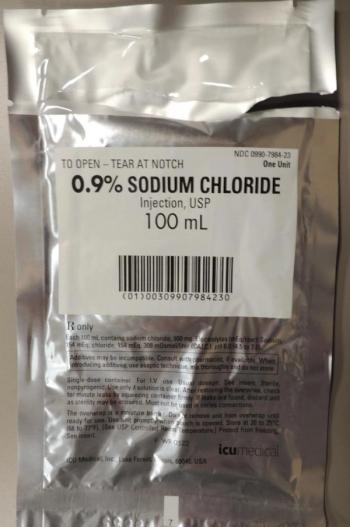
One lot of 0.9% sodium chloride injection may contain bags of concentrated potassium chloride, a mix-up the manufacturer says could cause serious or fatal adverse events.
The FDA has issued a warning that multiple lots of Raaw Energy frozen dog food have tested positive for Listeria, Salmonella, Escherichia coli O157, and Campylobacter jejuni.
The FDA is alerting pet owners of potential health risks linked to certain Raaw Energy frozen dog food products after testing by state agriculture officials in Connecticut and New Jersey revealed multiple pathogenic bacteria in 8 unopened product samples. According to the FDA, the findings stemmed from a consumer complaint submitted to the Connecticut Department of Agriculture about a dog illness, prompting follow-up testing.
Laboratory results revealed contamination with Listeria monocytogenes in all 8 samples tested. Additional testing detected Salmonella and Campylobacter jejuni. One product was also contaminated with Escherichia coli O157:H7, which, the FDA warns, “may be harmful.”1
The federal agency says it advised Raaw Energy to issue a recall on the 8 lots. Still, the company has yet to initiate an adequate recall.1
The affected products are sold as frozen raw diets in 2-lb or 5-lb clear plastic tubes sealed at both ends with a metal clip, packaged in brown cardboard boxes. The products are distributed through online ordering with in-person pickup.
The manufacturer does not use conventional lot numbering, so affected batches can be identified by a date code (date of manufacture) printed on white stickers on the plastic tubes and the brown cardboard box. The stickers also contain the product flavor and ingredients.
The FDA is warning consumers who have purchased Raaw Energy dog food to check the packaging for affected date codes before feeding it to their pets. Owners should monitor pets for signs of illness and seek veterinary care if symptoms develop following exposure.
“Consumers who have had the recalled products in their homes should clean and disinfect all pet supplies, including all storage containers, bowls, utensils, food prep surfaces, pet bedding, litter boxes, toys, floors, and any other surfaces that the food or pet may have had contact with, including your refrigerator or freezer,” the FDA said in its announcement.1 “Clean up the pet’s feces in places where people or other animals may become exposed. Consumers should thoroughly wash their hands after handling the product or cleaning up potentially contaminated items and surfaces.”
The affected products are as follows1:
Pathogenic bacteria in pet food pose a One Health concern. Dogs and cats exposed to contaminated diets may develop gastrointestinal illness, fever, or lethargy, but may also be asymptomatic. Still, pets with no clinical signs can shed bacteria through saliva or feces, posing a contamination risk to the household environment, including other animals and, in some cases, people.
Public health officials have linked contaminated pet foods to
According to the FDA, freezing or refrigeration does not kill pathogens such as Salmonella, L monocytogenes, E coli O157:H7, or C jejuni, making prevention and sanitation important when contamination occurs. Veterinary professionals can play a key role in educating clients about proper hygiene, including proper disposal of pet waste, thorough handwashing after handling pet food or cleaning feeding areas, and disinfecting surfaces that may have come into contact with contaminated products.
Clinical signs in pets vary by pathogen but can include vomiting, diarrhea (including bloody diarrhea), decreased appetite, fever, and lethargy. More severe symptoms, such as dehydration or systemic illness, may develop in young, older, or immunocompromised animals.
References