

Helicobacter pylori infection is the most common cause of chronic gastritis and peptic ulceration in humans. It is also associated with an increased risk of gastric lymphoma and adenocarcinoma.
Helicobacter pylori infection is the most common cause of chronic gastritis and peptic ulceration in humans. It is also associated with an increased risk of gastric lymphoma and adenocarcinoma.
The gallbladder is a small, pear-shaped organ located in the cranial abdomen between the right medial and quadrate liver lobes. Bile is synthesized by hepatocytes and collects within canaliculi and is sequentially drained from into bile ductules, interlobular, lobar and hepatic ducts.
Giardia is a flagellate protozoan parasite commonly encountered in small animal veterinary practice. The most common clinical syndrome associated with Giardia is acute small bowel diarrhea, but in some cases acute large bowel diarrhea, chronic small or large bowel diarrhea, or rarely acute or chronic vomiting may occur.
Rational pharmacological management of canine and feline liver diseases is built around removal of the inciting cause, specific therapy (e.g. anti-inflammatory, antifibrotic or anticopper agents) and provision of general liver support. Generally speaking, treatment recommendations are based upon the suspected pathophysiology of the disease or extrapolated from the human medical literature and are not based on veterinary clinical trials.
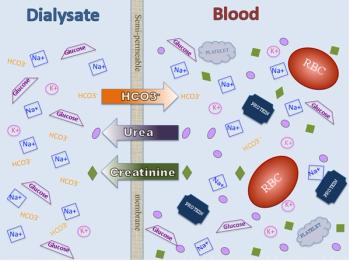
Hemodialysis (HD) refers to the process of using an artificial kidney to clear urea, metabolic waste products, toxins, and excess fluid from the blood. The term dialysis refers to the net movement of solutes and water across a semipermeable membrane along a concentration gradient.
Osteoarthritis (OA) is a chronic, non-infectious, progressive disorder of any synovial joint. OA is characterized by deterioration of the articular cartilage, synovitis, with secondary bony changes. Osteoarthritis is classified as being primary or secondary in nature.
Nomenclature surrounding nutritional supplements can be confusing. The most commonly used live organism supplements are probiotics.
Chronic large bowel diarrhea is a common problem in dogs. Diarrhea is often accompanied by hematochezia, excess fecal mucus, and tenesmus. The frequency of defecation is increased and the quantity of feces / defecation may be reduced.
Gastrointestinal (GI) (or alimentary) lymphoma is the most common form of lymphoma in cats. Feline GI lymphoma is histologically classified as low, intermediate or high grade according to the size and anaplasticity of the neoplastic lymphoid cells.
The human genome is composed of about 3 billion base pairs, of which only about 2% forms coding DNA (genes); the rest is non-coding and serves various functions, such as gene regulation. Humans have about 20-25,000 genes, although the function of 50% of them is unknown.
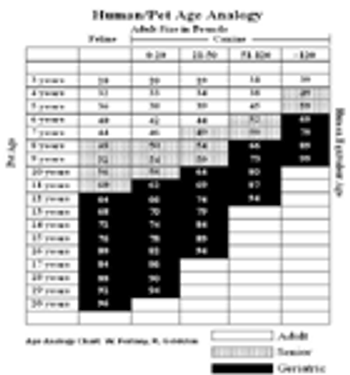
In the last AVMA pet owner survey, more than 39 % of the owned dog population were 7 years of age or older and these percentages continue to grow. This change in pet population demographics is due to in part due to several inter-connected causes.
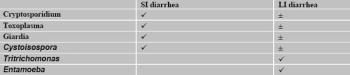
Infectious causes of gastrointestinal disease in the cat are important for two reasons. The first is clearly the impact on the health of the cat itself. However, it must be noted that while unusual, our feline companions can be sources of zoonotic disease as well.
Disorders of the feline exocrine pancreas are common. Feline pancreatitis is classified as acute necrotizing, acute suppurative and chronic non-suppurative. Acute pancreatitis is characterized by inflammation of the pancreas that is completely reversible upon removal of the underlying cause, while chronic pancreatitis is characterised by irreversible histological lesions such as fibrosis and atrophy. Necrosis of pancreatic acinar cells and peripancretic fat with or without inflammation, hemorrhage, mineralization and fibrosis, describes acute necrotizing pancreatitis (ANP).
Platelets are essential for normal hemostasis and serve three main functions. They maintain vascular integrity by forming platelet plugs and promoting endothelial vasoconstriction in areas of disrupted endothelium.
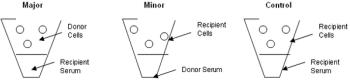
Common transfusion types include fresh whole blood, stored whole blood, packed red blood cells, fresh frozen plasma, and frozen plasma. Other, less common transfusion products include cryoprecipitate, cryo-poor plasma, platelet-rich plasma, platelet concentrate, lyophilized albumin, and lyophilized platelets.
Nonsteroidal antiinflamatory drugs (NSAIDs) are commonly used in veterinary medicine for a variety of reasons including the management of acute postoperative pain and chronic pain associated with degenerative joint disease among other conditions. However adverse effects preclude their use in many patients and severe adverse effects such as nephrotoxicity, hepatotoxicity, and gastrointestinal ulceration and perforation, and death occur infrequently.
The patient with multi-trauma can present a challenging case for a clinician.Damage to the respiratory system, cardiovascular system, or neurologic system can all be fatal by themselves, and a combination of these injuries can present as a resuscitation nightmare.
The primary hemostatic system alone is not sufficient to provide hemostasis if a large vessel is injured, or if there is significant vascular wall injury. Fibrin needs to be generated in order to form a stable clot, and this occurs through secondary hemostasis, or the coagulation cascade.
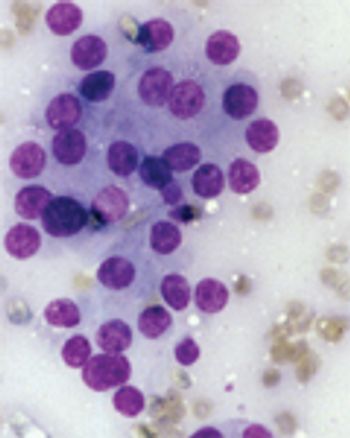
Cytologically, neoplasia is characterized by the presence of a homogeneous population of cells that have come from the same tissue of origin. This is best appreciated by the presence of cells with the same cytoplasmic characteristics.
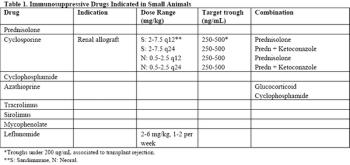
Although newer therapies are being developed in humans that allow a certain targeting specificity, immunosuppressive therapy in dogs and cats is largely based on the use chemotherapeutic drugs.
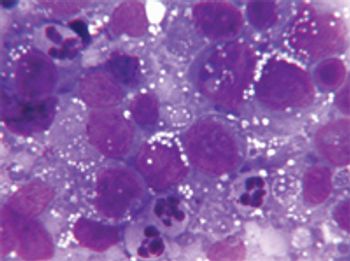
Lymph node sampling and cytology is quick, easy, and usually rewarding. Cytologic samples of peripheral and/or internal lymph nodes may be collected by fine-needle aspiration biopsy or nonaspiration fine-needle biopsy techniques.
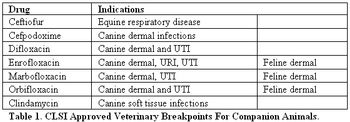
Treatment of bacterial infections can be difficult and frustrating. There are many different opinions for empiric antimicrobial therapy.
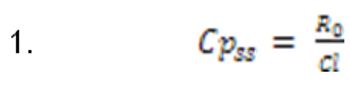
Clinical pharmacokinetics is concerned with the rational, safe, and effective use of drugs. It studies the factors that determine the time course of the plasma concentration of a drug and its variability.
Support of respiratory function in critically ill patients is extremely important because inappropriate oxygenation and/or ventilation can quickly lead to an animal's demise. Also, respiratory infections, especially nosocomial infections, can be quite serious.
Nonsteroidal anti-inflammatory drugs (NSAIDs) are the most widely used analgesic drug class in human and veterinary medicine. NSAIDs are effective due to both peripheral and central mechanisms of analgesia.
Patients presenting with severe respiratory distress have minimal respiratory reserves, so stress during physical evaluation and treatment must be minimized. Quick evaluation of the patient with minimal additional stress (i.e. radiographs, blood draws) is ideal so that accurate therapy can be instituted without delay.
Shock can be classified into general categories: hypovolemic, maldistribution, and cardiogenic. Hypovolemic shock is due to a diminished volume of fluids and can occur in severe dehydration (Parvoviral gastroenteritis, hemorrhagic gastroenteritis) or hemorrhage.
Cardiopulmonary arrest (CPA) is defined as the cessation of functional ventilation and effective circulation. Factors predisposing to CPA may include respiratory or cardiovascular abnormalities (hypoxia, hypercarbia, hypotension, cardiac arrhythmias, or severe anemia); acid-base, electrolyte, or metabolic abnormalities (acidosis, hyperkalemia, hypoglycemia); or hypothermia.
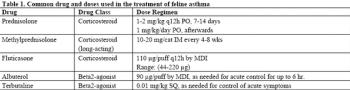
Feline asthma consists of an inflammatory disorder of the lower respiratory system of cats that results in bronchoconstriction and limited airflow to the lungs. Successful therapy of this condition starts with appropriate management of the animal environment and the selection of therapeutic combinations that safely address the long-term and short term needs of the animal.
Patients that have undergone emergency surgery to address respiratory distress are routinely supplemented with oxygen in the early recovery period and are monitored for oxygenation status using physical parameters (respiratory rate, respiratory character, and mucous membrane color), pulse oximetry (SpO2), and, when practical, arterial blood gases (PaO2).