

Sepsis is responsible for a large percentage of human deaths each year and the mortality has remained unchanged despite advances in critical care. In small animals, sepsis is also a frequent contributor to morbidity and mortality.
Sepsis is responsible for a large percentage of human deaths each year and the mortality has remained unchanged despite advances in critical care. In small animals, sepsis is also a frequent contributor to morbidity and mortality.

Musculotendinous injuries occur infrequently in dogs and cats, but the consequence of such an event can lead to marked dysfunction due to disruption of the muscle-tendon unit (MTU). The MTU is composed of the muscle origin, muscle belly, tendon and tendon insertion.
Feline herpesvirus (FHV) is a common pathogen of domestic cats. The virus is a ds DNA virus with a lipid envelope. The virus primarily targets epithelia of the upper respiratory tract and conjunctiva, and only rarely spreads beyond these regions to cause disease.
On January 30, 2008 the beef industry was reminded of the importance animal care. The Humane Society of the United States (HSUS) released a video showing abuse of compromised dairy cattle at a California slaughter house.
Optimizing reproductive success in cow-calf herds relies on combining appropriate immunization and biosecurity practices with the current production system management techniques in the herd. The goal of the immunization program is to match herd immunity to the risks faced.
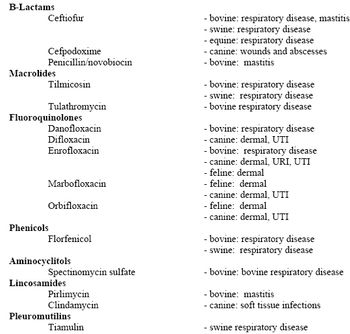
The short answer is "no" when we look for widespread, peer-reviewed evidence of untreatable infectious disease in food animals due to a microbial pathogen. However, there are some trends which bear watching. The evaluation of "untreatable disease" involves several inputs.
Seven to eight million dogs and cats are admitted to animal shelters each year in the United States. Until recently no comprehensive set of medical care standards for animal shelters had been published.
Respiratory disease is cited as the most common health problem encountered in U.S. feedlots. Bovine Respiratory Disease (BRD) is a multi-factorial disease that affects the lower respiratory system.
Respiratory disease continues to be the major cause of disease in feedlot. On average about 15% of feedlot cattle will have respiratory disease compared with less than 2% for digestive or any other disease problem.
In many ways veterinary hospice takes its lead in delivering end of life and palliative care from the human hospice model. After several decades of delivering this type of care, our colleagues in human medicine found the best way of helping terminal people live their lives to the fullest is by providing care, comfort and medical expertise through a team approach.
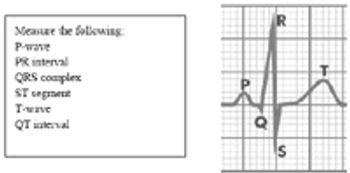
The electrocardiogram or ECG is a valuable component of the medical evaluation of many dogs and cats. It can also be a useful tool for monitoring patients during hospitalization. It is imperative that a rapid and accurate rhythm diagnosis can be made so appropriate therapeutic intervention can be made.
VMAT's mission is to provide medical care for sick or injured animals resulting from a disaster, when the local veterinary community has been overwhelmed.

There are well thought out and clinically confirmed label regimens for label indications. For example, the antimicrobials labeled for individual animal treatment of respiratory disease in cattle and swine have label regimens which most likely give you the majority of the clinical results you will get.
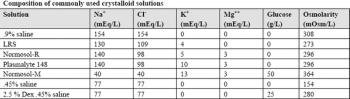
Fluid therapy is one of the cornerstones of medical management. Fluids are used to correct dehydration, treat shock, treat hypotension, diurese, correct electrolyte abnormalities, provide an avenue for other therapeutic agents to name a few.
With the expansion of the size of individual dairy farms feeding waste milk from treated cows to bottle calves has become more common. Waste milk has the potential to have approximately 30% fat and 25-27% protein on a dry matter basis and therefore has the potential to provide a higher plane of nutrition than traditional 20% protein, 20% fat milk replacers.
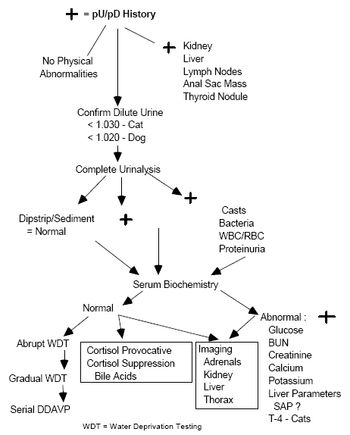
PU/PD is an extremely common presenting complaint in small animal practice. Probably just as common are animals with polyuria and polydipsia that goes unnoticed by their owners. This is especially true of cats.
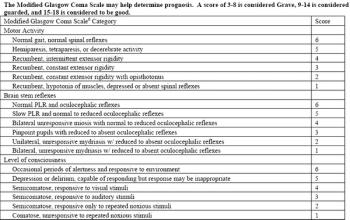
The treatment of head trauma is a controversial topic in veterinary medicine. Unfortunately, there does not appear to be a generalized consensus as to the approach to treating head trauma.
The time to diagnose high blood pressure is before damage is done. Retinal hemorrhages and detachment can be avoided in a well-managed feline patient. I recommend that Doppler ultrasonic blood pressure measurements begin in all patients at an early age as part of their health care program.
Respiratory disease continues to present challenges in the dairy industry in the 21st century. Traditionally, veterinary curricula have emphasized an etiologic approach to the subject and veterinary practitioners are very familiar with the well documented and heavily researched infectious causes such as bovine respiratory syncytial virus (BRSV), infectious bovine rhinotracheitis (IBR), bovine viral diarrhea virus (BVDV), Mannheimia haemolytica, Pasteurella multocida and Mycoplasma spp.

Housetraining dogs is really quite simple. The hard part is ensuring clients understand dogs' needs.
Get an inside look at some of the interactive features you'll find in the dvm360 iPad app, available now for free on the App Store.
The new dvm360 iPad app needs your help. Become a beta tester today to offer your opinion about the app!
New York City - A chance encounter between a New York City veterinarian and a wolfhound-mix puppy, hours away from death, was enough to recruit the doctor into a battle to end pet overpopulation.
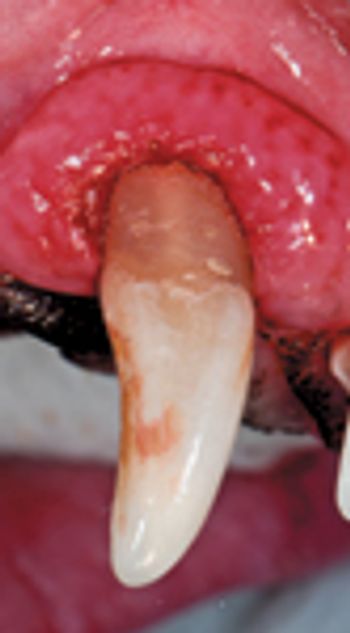
A few these tips for these handy dental tools.
National Report - In the world of sheltering, dogs are definitely faring better than cats.
Recent research has looked into the effectiveness of gastric acid suppression of famotidine, two omeprazole formulations and a placebo.
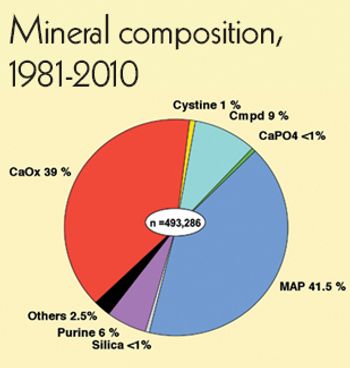
In the last three decades, the composition of uroliths in dogs has been variable.
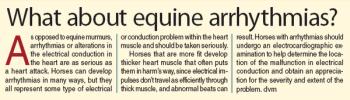
Targeted horse husbandry and evolution has produced an elite equine athlete capable of attaining fast speeds and exercising over long distances.
National Report - Intense monitoring by veterinarians and quick action by the equine industry helped contain a multi-state equine herpesvirus (EHV-1) outbreak that could have spiraled out of control.