

Pets are good for everyone, including the homeless, but how do pets in homeless populations receive basic veterinary care? Enter Dr. John Geller and The Street Dog Coalition.
Pets are good for everyone, including the homeless, but how do pets in homeless populations receive basic veterinary care? Enter Dr. John Geller and The Street Dog Coalition.
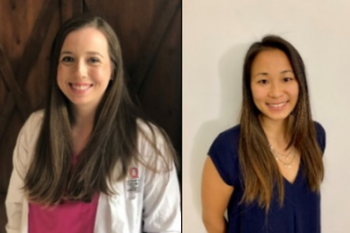
AAVMP co-founders Hira Basit and Stephanie Kuo hope the organization inspires future generations of underrepresented groups to join the veterinary field.
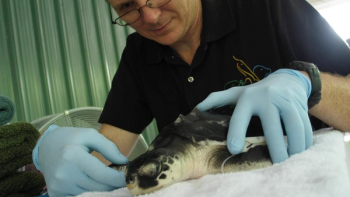
Wildlife veterinarian, professor and scientist Michael Ziccardi, DVM, MPVM, PhD, will lead the One Health Institute for the next 5 years.
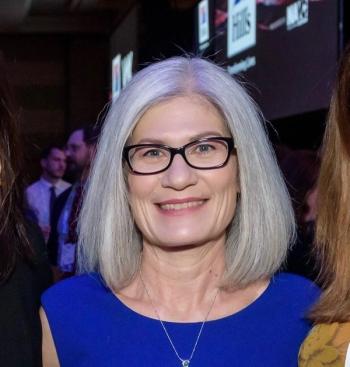
Cheryl Good, DVM, oversees the virtual interactions between The Bridge Club and the group’s newest offering, The Bridge Club Pets.

More than 1,600 people have signed a petition demanding that the AVMA address systemic racism throughout the veterinary profession.
The annual scholarships are awarded to two college students who are dedicated to advancing feline medicine.

Alison McIntyre's overarching goal in leading this brand new organization is to educate veterinary professionals about best practices for delivering teleheath services to veterinary clients.

Students will share $630,000 in scholarship funds, bringing the total awarded over the past 11 years to more than $7 million.
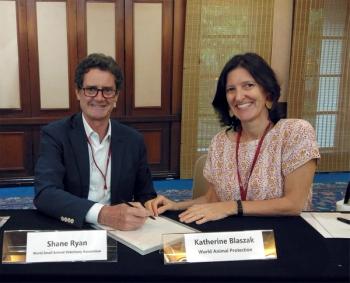
The organizations are now working together to engage and mobilize veterinary professionals to better the treatment of dogs across the world.
The conference will now be held in March 2021, immediately preceding the BSAVA Congress, so talks of a combined registration fee are underway.
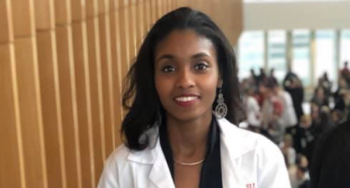
Brand new veterinarian Dr. Stéphie-Anne Dulièpre shares some of the challenges she faced as one of very few people of color at her veterinary school.
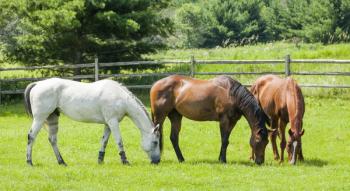
This succinct review of equine internal parasite control measures reflects modern strategies now in place to reduce development of resistance.

Following its worldwide survey of mental health and wellbeing in the veterinary profession, WSAVA vows to take steps to advance the health and welfare of veterinary teams around the world.

A three-time veterinary school dean, Dr. Glen Hoffsis has had a major impact on both veterinary education and public policy.

Mackenzie Peterson will play an instrumental role in promoting mental health at the Association of American Veterinary Medical Colleges’ member institutions.

Pumpkin offers pet owners a new way to bundle their pet’s health insurance with a holistic preventive care plan.

The association is exploring the possibility of a virtual conference.

The big cats were tested via fecal sampling, which does not require general anesthesia.
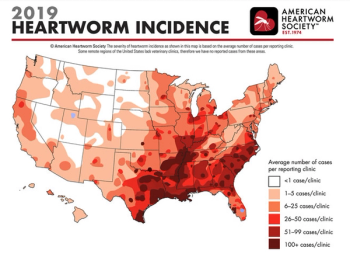
With warmer months on the horizon, veterinary practices need to keep heartworm prevention top of mind, even as the current pandemic rages on.
This collaboration supports a larger mission to promote inclusion and diversity in the veterinary community.

A look at veterinary news highlights from this week.
The new WSAVA initiative has already awarded one veterinarian with scholarship funds, pain management training and the title of the first key opinion leader of veterinary pain management, but the technician scholarship is still up for grabs.
Veterinarians and medical professionals should conserve personal protective equipment (PPE) until supplies become more readily available.
Both associations have urged lawmakers to classify veterinary practices as ‘essential’ because, they say, not doing so could negatively impact both animal welfare and the wellbeing of pet owners.
This independent organization is at the forefront of heartworm disease monitoring.

The certification program evaluates the science, communication, community engagement, animal welfare and wellness, and medical care needed to create and maintain a positive human-animal bond.
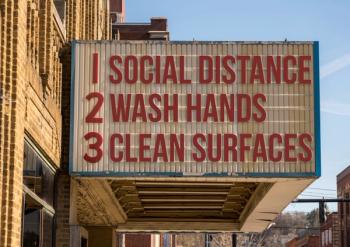
It remains unclear how much havoc the COVID-19 pandemic will wreak for people and businesses around the world before it ends. In the meantime, the AVMA continues to offer guidance for veterinary practices.

This virtual conference, hosted by the American Association of Feline Practitioners, will allow veterinary professionals to participate from the comfort of their desks or on the go.

The longstanding education-focused organization will now be known as Viticus Group.
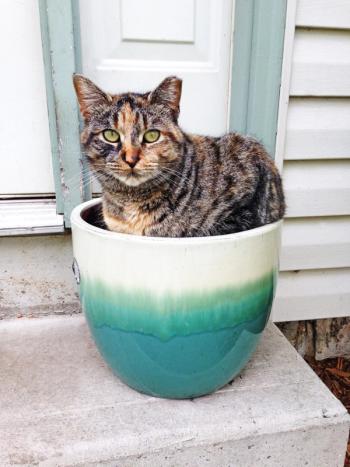
The free-roaming feline population can provoke controversy among veterinarians, wildlife lovers, cat advocates and public health experts. Here's an evidence-based look at how these programs work—and why they are effective.