Preclinical testing at The Ohio State University found Telomir-Zn inhibited growth of canine and human osteosarcoma cell lines, prompting the company to explore a possible in-vivo study in dogs with naturally occurring tumors.
Verdinexor tablets are now available for dogs with lymphoma after receiving full FDA approval earlier this year, offering an at-home treatment option that is given twice weekly and showed a longer time to disease progression than control in a field study.
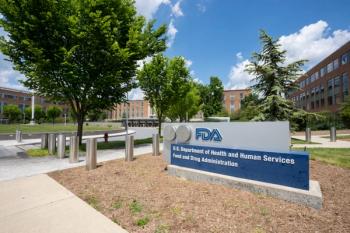
Verdinexor tablets (Laverdia) are now available for purchase, according to Dechra.1 The FDA
The drug is available by prescription and can be administered at home. Dechra said it can be started after diagnosis while owners consider treatment options or wait to begin multiagent chemotherapy. It may also be used after relapse or when multiagent chemotherapy is not the preferred approach. The tablets are available in multiple strengths to accommodate dogs across weight ranges, according to the company.
Verdinexor blocks tumor-suppressing proteins from leaving the cell nucleus, allowing them to remain active and help control the growth of lymphoma cells.4 The FDA describes the drug as selectively cytotoxic to tumor cells.3
The FDA initially granted verdinexor conditional approval in January 2021 through its Minor Use/Minor Species pathway, which is intended to encourage the development of drugs for uncommon conditions. According to the agency, fewer than 80,000 dogs are affected by lymphoma each year, qualifying Laverdia as a minor use in a major species.2 Full approval followed 4 annual renewals of the conditional approval.4
In a field study of 160 dogs with newly diagnosed or relapsed B-cell or T-cell lymphoma, 134 were included in the effectiveness analysis. Dogs treated with verdinexor had a longer time to disease progression than dogs in the control group, at 37 days compared with 23 days (P = .011).3
The drug is given twice weekly at a starting dose of 1.25 mg/kg, with at least 72 hours between doses. If tolerated after 2 weeks, the dose may be increased to 1.5 mg/kg.3 Each dose must be given with food or immediately after a meal to increase absorption.2
Craig A. Clifford, DVM, MS, DACVIM (Oncology), said he has used verdinexor in specialty practice for dogs whose lymphoma has not responded to standard treatment and for owners who prefer a less aggressive approach. In the release, Clifford said the drug could provide an option for primary care veterinarians.1
In a
Clifford also cautioned against viewing verdinexor as a standalone solution for lymphoma. “It's not meant to be a silver bullet, a cure-all for lymphoma. More likely in the future, oncologists will be combining it with other agents in other types of protocols,” he told dvm360.5
In the recent news release, Clifford said he has also seen intriguing responses to verdinexor in some dogs with progressive cutaneous lymphoma.1 In his 2025 interview with dvm360, he said the drug gives veterinarians another treatment option for dogs that may otherwise be limited to prednisone. “Something else that they can utilize, other than just prednisone,” he said.5
Verdinexor tablets should not be used in dogs that are pregnant, lactating, or intended for breeding. The drug is a possible teratogen and can affect male and female fertility. It can cause severe anorexia. Other commonly reported adverse reactions include inappetence, vomiting, diarrhea, dehydration, weight loss, polyuria, polydipsia, elevated liver enzymes, and thrombocytopenia. Dogs should be monitored frequently for hematologic and serum chemistry abnormalities.1
Pregnant or nursing women, women who may become pregnant, and children should not handle the drug or come into contact with the bodily fluids or waste of treated dogs. Handlers should wear disposable chemotherapy-resistant gloves when handling moistened, broken or crushed tablets, as well as waste, bodily fluids, or items that have come into contact with the dog during treatment and for 3 days after the final dose.1
References