
















A new study shows why you need to tame fraidy catswhether they're people or kitties.
A new study shows why you need to tame fraidy catswhether they're people or kitties.
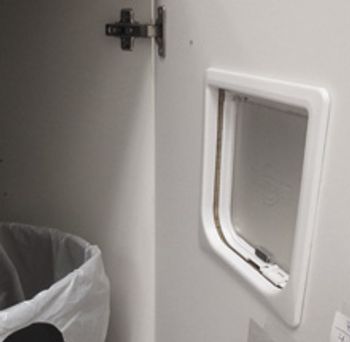
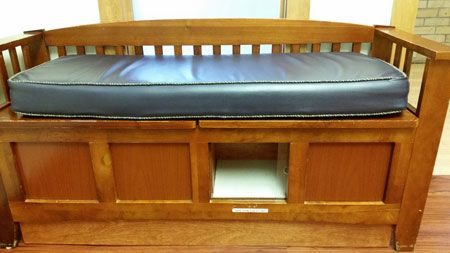
These easy-to-clean doors keep the odor away as well.

Watch this 51-second video to see how a pheromone station can work to calm visiting cats at your veterinary clinic.
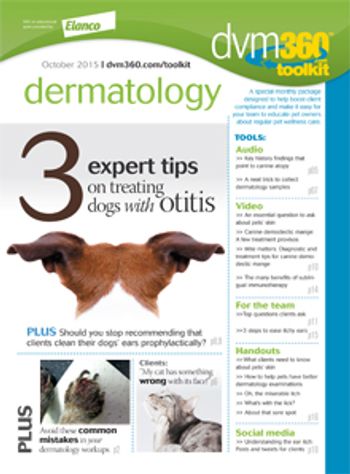
This toolkit delivers articles, tips, handouts, videos and tools all designed to make it as easy as possible to discuss dermatology issues with your team and clients. (With an educational grant provided by Zoetis)
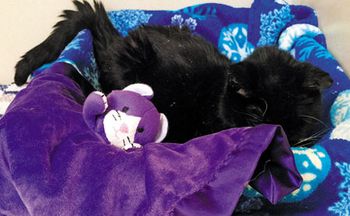
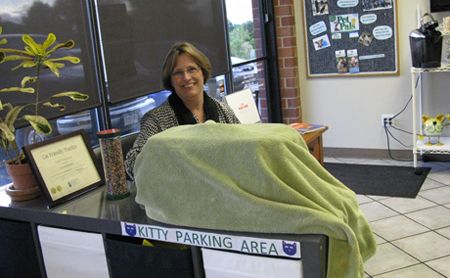
Use this cat tested, cat approved tip to create a safe haven for kitties visiting your veterinary practice.
Will this alternative ovariohysterectomy technique hold up while saving valuable time in a high-volume setting?
Teach cat owners what they can do to keep their cats happy and healthy this September.
Pass these tips on to your clients, and enhance the well-being of your feline patients.
A little trick plus lots of patience equals success.
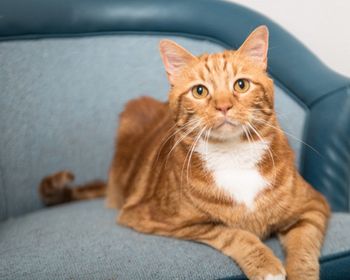
How a 41-pound feline shrunk to 19 pounds-and how his success can help your overweight patients.
One investigator attempts to rein in the fearmongering about cats and toxoplasmosis.
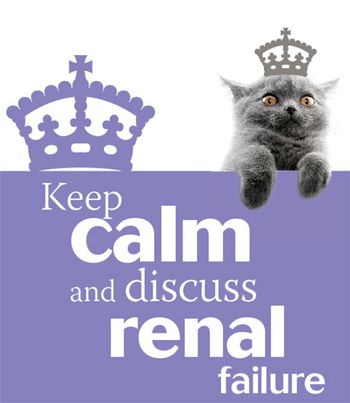
Use this guide to take some of the stress and fear out of a chronic medical condition and offer support for pets and their owners.
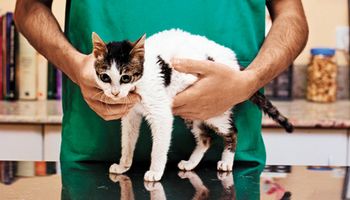
Practical tips for working up and treating cats with urinary signs.
Help clients transport their cats to your practice with these tips.
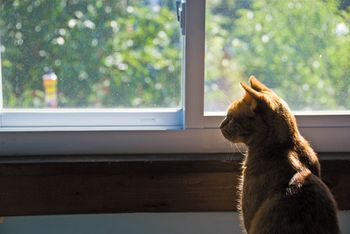
Crinkling paper. Clinking glasses. Even deaf cats with a newly defined epileptic syndrome can suffer neurologic effects when exposed to sounds such as these.
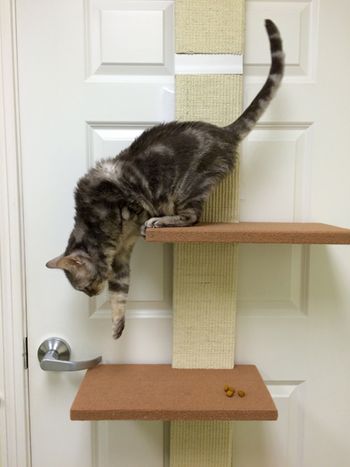
This practice found the purr-fect cat climber for their feline patients. No kitten around. Fur real.
Veterinary behaviorist Dr. John Ciribassi says it depends on what the pet owner wants out of the relationship.
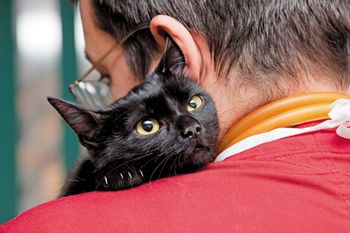
More cats may be affected by this disease than you think, and even cats with subclinical or mild forms may benefit from thyroid replacement therapy.
Heres a cats-eye-view of a feline fine exam where the cat gets the power to choose how he experiences a visit to the veterinarian.
Choose the right treats to make pilling a cat an easier proposition. Here's a quick snapshot of what might work.
It's not a surprise that chronic kidney failure tops list of feline illnesses.
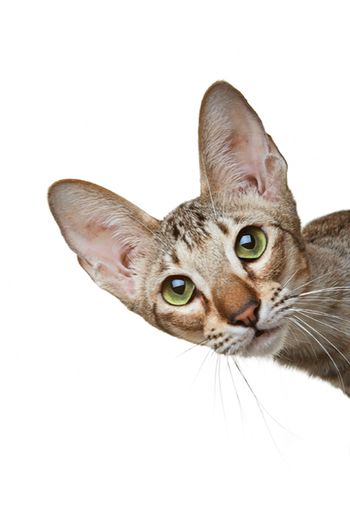
How to make in-house blood glucose curves in cats comfortable for all.
Hear about the possible harmful effects of this practice.
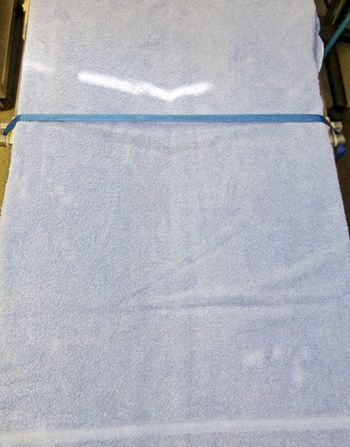
A reader tip for positioning cats for abdominal surgery.