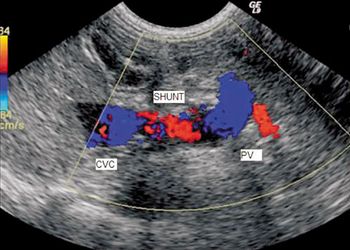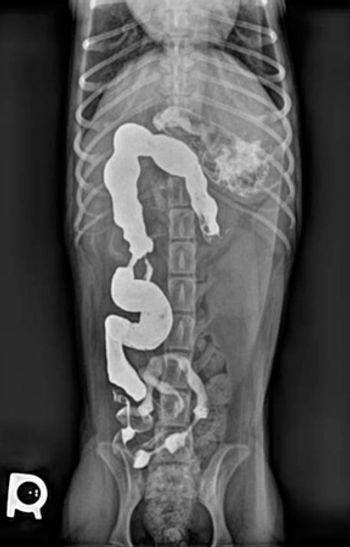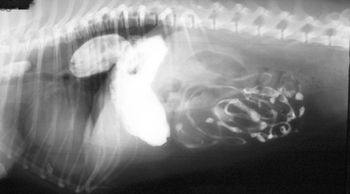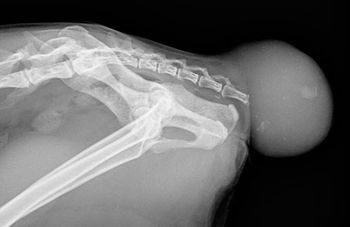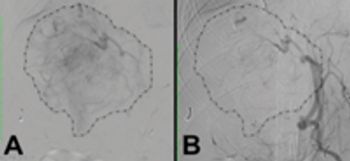









When you have a patient with a hepatic vascular abnormality, how do you confirm it?

When you have a patient with a hepatic vascular abnormality, how do you confirm it?

Add a little contrast to help you find your diagnosis.

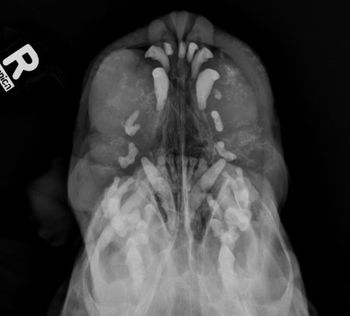
Examine the imaging results to help solve this pug's problem.


Dr. Anthony Pease discusses one aspect of digital systems that you don't have to worry about.

This on-demand course was written to provide information in a fun, easy, and memorable way that can be used to help hone your radiation safety skills; answer questions you may have; give you information you can use to decrease the amount of radiation you, as a radiation worker are exposed to; and to help you prepare for national, state, or local exams if you have those ahead. As people who spend a lot of time leaded, we also included radiation apparel comparisons and our recommendations. (2 CE credits)

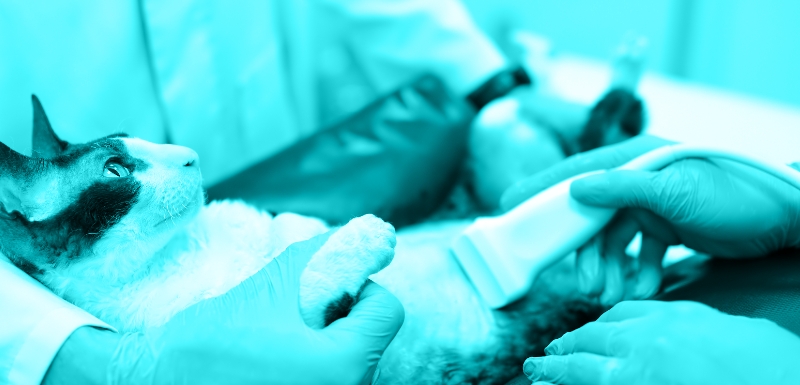
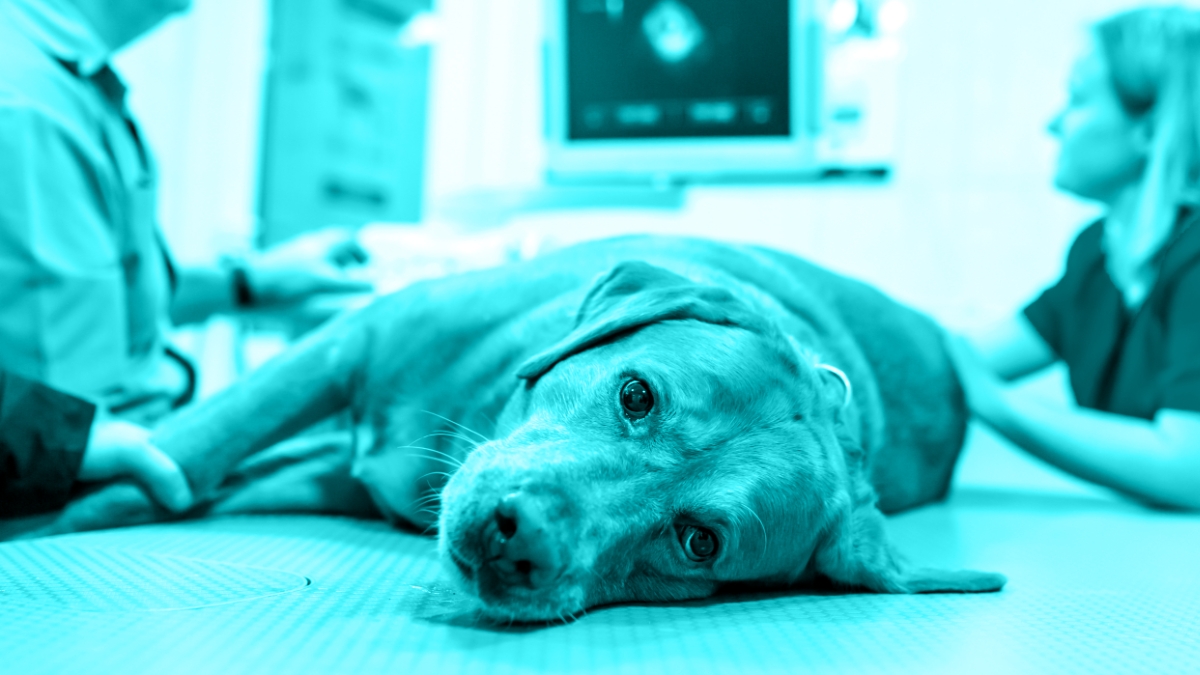
In this on-demand CE course, you will become familiar with aspects of ultrasonography that will help veterinarians and technicians prepare patients for ultrasound exams, provide the basic knowledge needed for doing ultrasound exams, and learn terminology associated with ultrasonography. It is not meant to be a replacement for adequate and extensive hands-on training in doing ultrasounds. The course is written by Fern Delaney, a registered diagnostic medical sonographer who specializes in performing veterinary ultrasonography and training other professionals to do so. (2 CE credits)

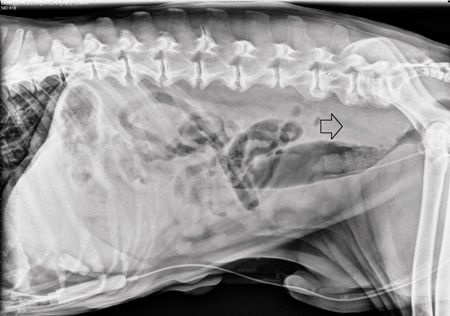
Can you discover the cause?

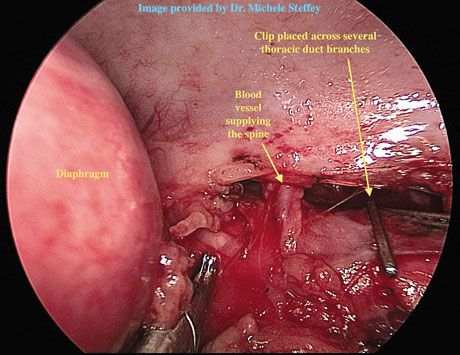
A novel veterinary treatment offers hope for these often hopeless cases.

A minimally invasive option to treat this common occurrence in pets.

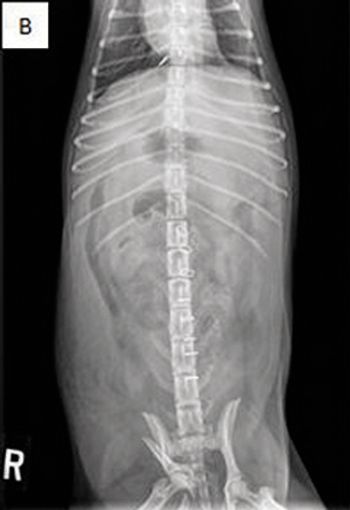
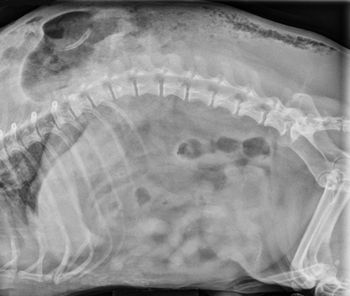
Look at the radiographs and determine the most likely diagnosis.

Make rounds with these veterinary specialists and residents for a complete picture of this neoplasia in dogs.

See how this minimally invasive procedure helped a Labrador puppy.

See how interventional radiography and endoscopy can help you identify and treat this abnormality in this case study.

Thickening of the intestinal wall is the most common ultrasonographic finding in inflammatory bowel diseases.

Biliary diseases in cats can be complex and challenging to diagnose.

The main purpose of this presentation is to evaluate the current place of abdominal ultrasonography in assessing intestinal tumors.

Ultrasonography became part of the routine diagnostic method to evaluate pancreatic disorders in small animals at our hospital.

For the purpose of this presentation, renal masses are defined as deforming (focal or diffuse) enlargement of the kidney with alteration of the normal renal architecture and/or shape.

In dogs and cats, the most common ultrasonographic feature of gastric tumors is marked thickening of the wall with complete loss of wall layering.

Ultrasonography is part of the routine diagnostic method to evaluate pancreatic disorders in small animals.

The bladder should be thoroughly scanned from left to right in the longitudinal plane and cranial to caudal in the transverse plane.

Radiographs are necessary prior to any US evaluation of the chest.

Overview of Imaging: what you need to know today to better serve your clients tomorrow.

All diseases known fit into a finite number of etiologies: Congenital, Degenerative, Developmental, Inflammatory, Metabolic, Miscellaneous, Neoplastic, Toxic, Traumatic, and Unknown.