


















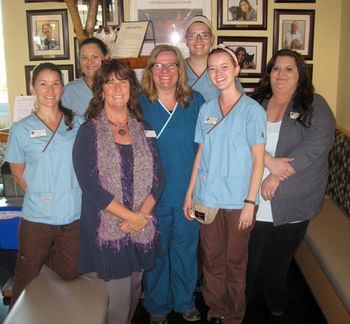
Are your cat-friendly ideas facing resistance from the dog lovers at your veterinary hospital? Dr. Michelle Lawson overcame doubters with some discussion and contagiously fun tips.
Are your cat-friendly ideas facing resistance from the dog lovers at your veterinary hospital? Dr. Michelle Lawson overcame doubters with some discussion and contagiously fun tips.

Watch this video. Your feline patients will thank you.
Dr. Elizabeth Colleran shares the subtle body language of frightened felines that you and your team should take note of.
Hear about the wild origins of domestic cats and how ancient instincts come into play in your veterinary clients' households.
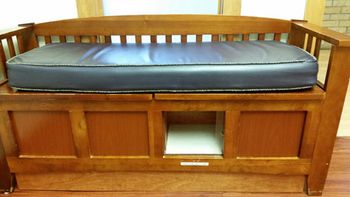
If you build it, cats will come. Use this wooden bench solution for your feline exam roomand never use the chase-and-net technique for catching cats again.
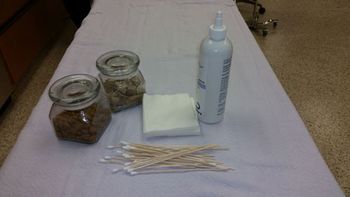
We're all ears to hear this five-step approach to cleaning a pet's ears in the veterinary practice.
Confess: Do you stand behind the veterinary exam table and blah, blah, blah, hairball, blah, blah blah, litter box" at clients? Jane Brunt, DVM, CATalyst Council Executive Director, offers the purrfect words to connect with cat owners. (P.S. There are kittens here. Playing. Its really cute, we promise.)

Creating a low-stress environment will not only make your patients and their owners happy, but will also help decrease the risk of injury to you and your staff.

She flies into your veterinary exam room, a whirling fury of claws and teeth. And if you can just get her to chill out, you might get her cat to relax too.

A new study shows why you need to tame fraidy catswhether they're people or kitties.

Guesstimating a canine veterinary patient's breed by its look alone is unreliable and can have serious consequences in some cases.
Watch this 51-second video to see how a pheromone station can work to calm visiting cats at your veterinary clinic.
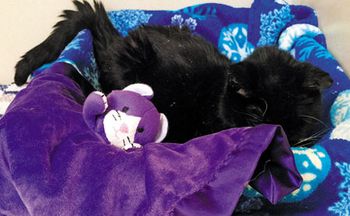
Use this cat tested, cat approved tip to create a safe haven for kitties visiting your veterinary practice.
Many underlying conditions can cause a pet to lick their skin excessivelyhelp clients understand what's with the lick.
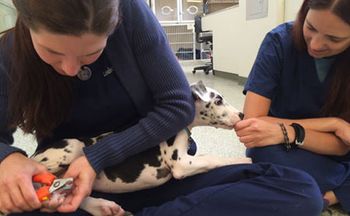
Puppy pedicures can be a precarious procedure. Here's help to take the scary out of nail trims.

Disagreement over biting dog's aggression led to expulsion.
Use this handout to explain the effects of fearand how your veterinary practice works to reduce pets fear.

Teach cat owners what they can do to keep their cats happy and healthy this September.
Pass these tips on to your clients, and enhance the well-being of your feline patients.

To manage an animals behavior, you must first start by managing your own behavior. Use these eight steps to manage your mood.
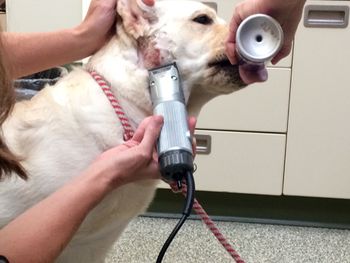
We used a Hansel and Gretel trail of cheerios and a bottle of squeeze cheese to coach a shy pet through a potentially scary veterinary visit.
Patients simply may not understand what you're asking of them, the team at Animal Emergency & Referral Associates go inside this issue.

Using canned squeeze cheese our veterinary team took the trauma out of taking a pets temperature.
Teaching this dog to accept and be comfortable wearing a basket muzzle has allowed the clients to move forward with behavior modifications and training while ensuring the safety of those in the veterinary clinic as well as the safety of other dogs he may meet on the street.

This tool will help you take measures now to make every visit a positive one for every pet, ensuring that when more serious issues arise, you can achieve an optimal outcome.