










Before you treat a patient for this behavior problem, make sure you have the right diagnosis.
Before you treat a patient for this behavior problem, make sure you have the right diagnosis.
Join the revolution today and start taking even better care of pets
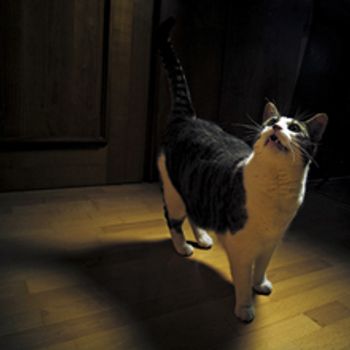
Learning to read the feline dictionary helps prevent injury, maintain human-animal bond.
Understanding of equine behavior and learning is the main objective of this presentation.
Separation anxiety is a normal reaction to being abandoned starting as puppies.
Behavior is a manifestation of normal and abnormal, typical and atypical, and often related to owner's point of view.
This presentation offers general practitioners a quickly reference for the treatment for any patient with behavioral problems.
Behavioral problems often elicit high emotions among owners and veterinary staff.
Nuisance behaviors jumping, stealing things, trash diving, charging through the door, begging, and all the other things dogs do that drive us crazy are deeply frustrating and can eat into the enjoyment of sharing your life with a dog.
Feline aggression is a very common behavior problem and can pose a challenge due to limited resources, space and time.
Perhaps more in behavior than in all other areas of veterinary medicine combined, there is a flurry of incorrect myths that are either at best unhelpful, or at worst HARMFUL, to our patients.
Aggression comprises approximately 70 percent of canine cases presented to behavior clinics.
In this presentation an overview of pathological self-injurious behavior (ESMS) is being discussed.
Backyard livestock are becoming more popular with 'urban farmers' and those who want a 'different' pet.
Animals are exposed to stressful situations throughout their entire lives.
The goal of this presentation it to identify stressors for the competitive horse, learn how to prepare the competitive horse and how to keep the competitive horse motivated.
House soiling is a common behavior problem in cats leading to a break in the human animal bond, and consequently to relinquishment or euthanasia.
Nonverbal communication is fascinating to most humans, especially to animal lovers.
The goal of this presentation is to improve history taking skills which are necessary for examination and creating a behavior problem list.
We all understand the frustration that veterinarians and owners feel when an animal doesn't follow post op instructions of "don't move" and "stay crated."
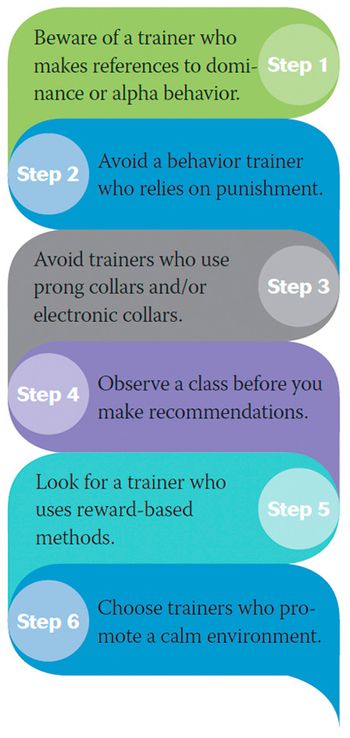
There's a revolution in the way we think about pet care. Are you on board?
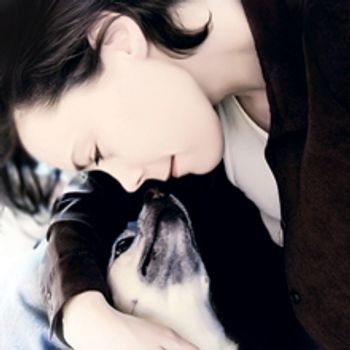
A group of researchers decided to investigate dog owners' perceptions of just how smart their dogs are.
Dr. John Ciribassi talks about the reception of the first behavior book for pet owners from the ACVB.