










Are you looking to hire new veterinary team members? You may have trouble finding qualified applicants.
Are you looking to hire new veterinary team members? You may have trouble finding qualified applicants.
Use these clips to organize your veterinary patient files.
Halifax, Canada - Two to four hours per week on a social networking site can have a positive impact on your business, according to a new study by Dr. Michael Warren, a practicing veterinarian and owner of DVMelite, a web development company for veterinary practices.
Columbus, Ohio - As more veterinarians buys products over the Internet from out-of-state suppliers, Ohio says it will crack down to make sure they are collecting often-forgotten use taxes.
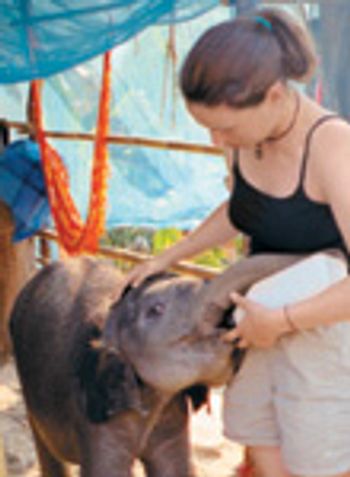
When this veterinary technician prepared for a volunteer trip to Thailand, she quickly realized her original plan was about to an unexpected turn.

The human touch gives your practice a heart, but technology is the brain that helps you function efficiently. So kick back, relax, and let these tools do the lifting.
Remember to remind veterinary clients to visit your clinic regularly.
When clients purchase veterinary products elsewhere, don't get mad-change your strategy.
Here's the truth about ticks.
Q: How can I bust these myths without offending veterinary clients?
Now's the time to get social with your clients. Here's how to get started.
Q: How can veterinary clients fight their pet's obesity problems?
Here's what to say when veterinary clients ask for a discount.
Q: What can our veterinary team do to get the most accurate results from a urinalysis?
When clients panic about the price of veterinary care, share this wisdom.
Client handout: How to prepare your pets for a hurricane
The slower economy may have offered an unplanned vacation for your front entrance. Use these tips to get clients back on your appointment schedule-and into your hospital.
For some pet owners, choosing the right food is a daunting task-particularly if their pet struggles with obesity or other health issues. Here's how you can help.
Here are answers to the most commonly asked questions.
Devens, Mass. - Webster Veterinary acquired American Veterinary Supply Corp., a full-service veterinary distributor on Long Island that serves about 2,000 veterinary practices and hospitals in the New York metropolitan area.
Learn this trick and relate to veterinary clients on a personal level.
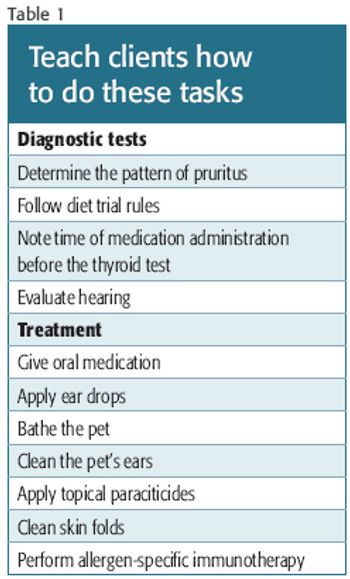
Whether cleaning the ears of floppy-eared dogs or setting up the exam room, technicians are an important part of dermatology case management.
Hemotropic parasites are often associated with hemolytic anemia.
Most times, luckily, anesthesia is a routine procedure. However, patients can and do arrest, even in a previously healthy patient.
In practices, bio-hazard considerations consist of common sense and wearing laboratory coats and gloves and following basic good laboratory practices.
Orogastric tube feeding permits the instillation of substantial amounts of high quality food into the cats stomach in a few seconds.
Hyperadrenocorticism (HAC) (commonly called Cushings disease) is a commonly diagnosed endocrinopathy in dogs which is caused by persistently high cortisol levels in circulation.
Diabetes mellitus is the condition of hyperglycemia (high blood glucose) and glucosuria (glucose in the urine) caused by absence of the hormone insulin, or failure of the cells of the body to be able to respond to insulin.
There is little evidence based medicine concerning the best dietary or nutritional management of alimentary disease in dogs and cats.
Anything perceived as real is real in its consequences Anonymous