










Your client wants a playful pet, but works all day. Maybe they should try a ferret!
Your client wants a playful pet, but works all day. Maybe they should try a ferret!
Ferrets suffer from parasites just like dogs and cats. Help ferret owners learn more about how they can prevent parasites on their favorite furry friend.
Practice management guru Dr. Ross Clark reveals his thoughts on the past, present and future of veterinary medicine.
Fritz Wood and friends will show you the way.

What youd ask and what youd never think to ask a leading voice of veterinary medicine.

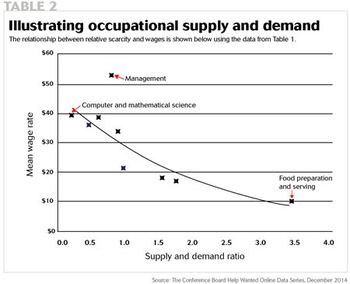
Market data reveals which practitioners are in higher demand-and who's earning more money.
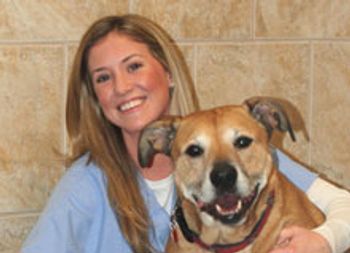
Predictions include advances in stem cell therapy and increase in pet insurance's popularity.
Q. My hospital would like me to take on call shifts of 10 to 12 hours, where Id return to the hospital from home as needed. Being called in would be unusual, as emergency work here is infrequent and our capabilities are limited. How should I charge for these shifts? The hospital cant afford my regular hourly wage, but if I charge on production, I wont make enough money.
Every second counts when treating poisoned patients. For most substances, there's only a narrow time frame in which decontamination can be effectively and safely performed. Here are 8 questions to consider before inducing vomiting on the poisoned pet.
Don't just tell clients about the threat-show them.
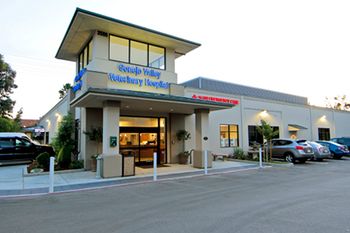
Calming a pit bull's racing heart after exposure to this bronchodilator.

I wiped my hand on someone else's sleeve and unleashed a cascade of events that proves that every practice needs a solid sexual harassment policy in their employee manual.
Vote and then see what your colleagues picked as well.
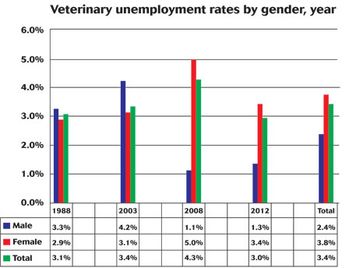
AVMA survey finds low veterinary unemployment, but many are working lessor morethan they prefer.

We veterinarians work our mental muscles every day caring for patients. Now it's time to push your mind and body through a new challenge: you.
Pet insurance could be a wise choice for many of your clients. If youve never researched pet health insurance options, now might be a good time to start.
The course, "Quality Management for the Veterinary Clinical Pathology Laboratory," is designed to provide an introduction to and practical application of quality management in the veterinary clinical pathology laboratory. It is given in two parts (Part I and Part II). Part I is a prerequisite for Part II. In Part I, participants will be introduced to theories of management and concepts vital to quality planning. Examples of ISO-based and GLP standards are included. Laboratory design, Westgard Rules, QC Validation and Sigma Metrics are covered.
Transparency helps avoid nasty veterinary client surprises.
Its time to adjust your strategy.