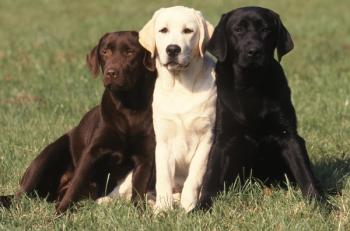
A UC Davis study is investigating why Labrador retrievers develop copper-associated hepatopathy and whether blood-based tools could help identify the disease before serious liver damage occurs.
A prospective study found that escalating carvedilol to 150–200% of the standard dose safely relieved left ventricular outflow tract obstruction in cats that had not responded adequately to initial therapy.
Cats diagnosed with obstructive hypertrophic cardiomyopathy (oHCM) that fail to adequately respond to standard-dose carvedilol may benefit from dose escalation, according to a prospective interventional study published in the Journal of Feline Medicine and Surgery.1
Veterinary researchers at Nippon Veterinary and Life Science University in Tokyo found that increasing carvedilol to 150–200% of the initial dose significantly reduced left ventricular outflow tract (LVOT) obstruction, improved myocardial function, and lowered cardiac troponin I (cTnI) concentrations, without triggering bradycardia or hypotension in any of the enrolled cats.
“These results suggest that [high-dose] carvedilol may provide a therapeutic option for cats,” the authors wrote.
Hypertrophic cardiomyopathy is the most common primary myocardial disease in cats, and a subset of affected animals develop oHCM. This condition can worsen hypertrophy, diastolic dysfunction, and myocardial ischemia.
While beta-blockers are considered first-line therapy in humans, evidence in cats remains limited, and atenolol — the most commonly used agent in feline practice — may not be helping.2
“A previous study failed to demonstrate that atenolol delays the onset of heart failure or improves survival in cats with preclinical HCM, suggesting that its overall clinical effectiveness is limited,” the authors write.1
Carvedilol, a lipid-soluble, nonselective beta-blocker with alpha-1 receptor antagonism, has shown promise in prior retrospective feline data. However, not all cats respond to standard dosing, particularly those with more severe obstruction. This study investigated whether dose escalation could rescue cats classified as "suboptimal responders.”
Here’s what the researchers did: they examined 24 cats diagnosed with ACVIM stage B1 oHCM between April 2022 and July 2024, and 23 of them began standard-dose carvedilol. Four responded adequately.
Of the remaining 19 cats, 11 met criteria for high-dose analysis. The cats were evaluated with echocardiography and serum cTnI measurement at three time points: pre-treatment, after standard dose, and after high-dose carvedilol.
Carvedilol reduced LVOT velocity in a clear dose-dependent pattern. Standard-dose treatment brought maximum LVOTV down from a median of 4.9 m/s to 4.3 m/s—a real improvement, but still above the 2.5 m/s target in all 11 cats. After escalating to high-dose carvedilol (median 0.48 mg/kg q12h), median LVOTV dropped to 1.6 m/s, and 10 of 11 cats hit the target.
Myocardial strain improved too. Longitudinal strain in both the endocardial and epicardial layers was better after both standard and high-dose treatment, pointing to broader functional benefit beyond just relieving obstruction. Circumferential strain didn't change—which the authors suggest may reflect the negative inotropic effect of the higher dose offsetting gains from obstruction relief.
Cardiac troponin I backed up the echo findings. Before treatment, 8 of 10 cats had cTnI above the reference interval (median 0.334 ng/mL). After high-dose carvedilol, that median fell to 0.018 ng/mL, with 7 of 11 cats returning to normal range. cTnI also correlated more strongly with excited-state LVOTV than resting LVOTV—suggesting the excited-state measurement may better capture the true degree of myocardial stress.
No cats developed adverse bradycardia, and blood pressure stayed stable throughout. Septal and posterior wall thickness both decreased after treatment, likely reflecting reduced pressure overload from obstruction relief combined with carvedilol's alpha-1 blocking effects.
The study's findings add to the growing body of evidence supporting carvedilol in feline oHCM, and introduce dose escalation as a practical strategy when initial therapy is insufficient. Current ACVIM guidelines acknowledge atenolol as an option for severe oHCM in cats, but note the lack of definitive survival data.2 The authors draw a parallel to human HCM management, where guidelines recommend titrating beta-blockers upward until obstruction is relieved—a principle that appears to translate meaningfully to the feline patient.
The authors also highlight the diagnostic value of assessing LVOTV during the natural sympathetic stimulation that occurs during clinical examination, which they liken to stress testing in humans. Since exercise or pharmacologic stress echocardiography is impractical in cats, variability captured during a single echocardiographic session—specifically the highest observed LVOTV—may better reflect the true hemodynamic burden of oHCM and help guide treatment decisions.
A caveat for this study, the authors note, is that it was small and the absence of a control group limit the generalizability of the findings. The authors call for larger, placebo-controlled investigations.
“Our results might provide clinical evidence for the safety and potential benefit of dose escalation in cats with stage B1 oHCM,” they write.
References
1. Satomi S, Suzuki R, Yuchi Y, et al. Efficacy of high-dose carvedilol treatment for cats with stage B1 obstructive hypertrophic cardiomyopathy. J Feline Med Surg. 2026. doi:10.1177/1098612X261433060
2. Luis Fuentes V, Abbott J, Chetboul V, et al. ACVIM consensus statement guidelines for the classification, diagnosis, and management of cardiomyopathies in cats. J Vet Intern Med. 2020;34(3):1062-1077.