

Conference Coverage
about 22 hours ago
Differentiating the microbiome and microbiota4 days ago
Evaluating forelimb lameness in 5 steps12 days ago
Veterinary conference calendar (March 2026)14 days ago
Fetch Charlotte: Lectures to attendTrending on dvm360
The Board of Pharmacy Specialties is considering a specialty certification for veterinary pharmacists
NAVTA opposes VPA/MLP model, backs credentialed, tech-centered career pathway
How the small details shape euthanasia for clients and care teams
Creating safety for veterinary teams
Fostering curiosity in veterinary science
Latest News






Shorts
Podcasts
Frustrated after a shift? A veterinary leadership coach says the issue may be an expectation gap
Many practice culture conflicts stem not from incompetence but from expectations that were never clearly expressed, argues Jennifer Edwards, DVM, ACC, CPC, ELI-MP, and Aaron Shaw, OTR/L, CHT, CSCS.
COHAT to COPAT: Elevating veterinary dental prevention
Discover COPAT vs COHAT, normalize full-mouth radiographs, and improve client buy-in insights on this episode of The Vet Blast Podcast presented by dvm360.
Mental roadblocks wearing veterinary professionals down
How unspoken expectations, assumptions, and self-judgment quietly impact stress, burnout, and daily decision-making in veterinary medicine.
Teletriage and telementorship for veterinary practices
Learn more about VetTriage, teletriage, telementorship, and the real impact of artificial intelligence in veterinary medicine during this episode of The Vet Blast Podcast, presented by dvm360.
The 5 most frequently asked questions primary care veterinarians have for cardiologists
This week's episode of The Vet Blast Podcast presented by dvm360 will feature a Q&A style interview with special guest Jonathan Goodwin, DVM, DACVIM (Cardiology).
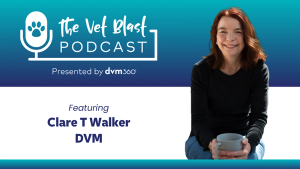
Veterinary medicine into fiction
Discover the journey of Clare T. Walker, DVM, as a veterinarian and suspense author, blending veterinary insights with thrilling fiction.
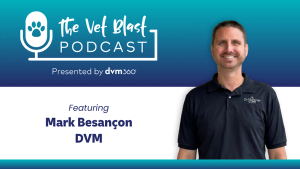
Engineering better veterinary care
Discover how Mark Besançon, DVM, blends engineering and veterinary medicine, fueling his passion for surgery and innovation in the veterinary industry.
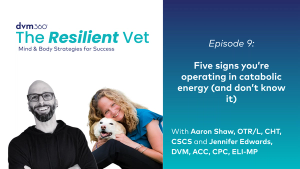
Five signs you’re operating in catabolic energy (and don’t know it)
“Sometimes the biggest reason you feel exhausted at the end of the day has nothing to do with how much you're doing,” Jennifer Edwards, DVM, ACC, CPC, ELI-MP, said in this episode of The Resilient Vet: Mind and Body Strategies for Success.
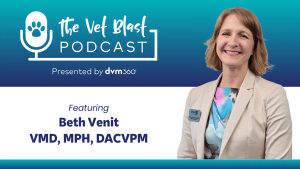
How to handle a board complaint
Discover insights on managing veterinary board complaints in this episode of The Vet Blast Podcast presented by dvm360.

Virtual assistants: Hype or help?
Discover how virtual assistants transform veterinary clinics by enhancing efficiency and support.



dvm360 Digital Edition




Continuing Education













All News
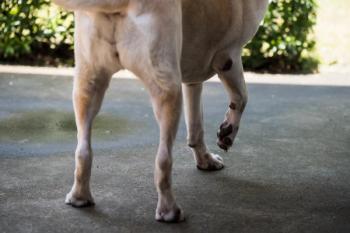
Struggling to localize forelimb lameness? This Q&A with Leilani Alvarez, DVM, DACVSMR, CVA, CCRT, head of the Integrative and Rehabilitative Medicine Department at the Schwarzman Animal Medical Center, breaks down clinical clues, diagnostic pitfalls, and strategies for evaluating complex cases.
The Board of Pharmacy Specialties is reviewing a petition from several professional organizations and seeking public comments on creating a new specialty certification focused on animal health.
A board-certified zoological medicine specialist shares key considerations veterinarians should keep in mind when performing reptile surgery.

A survey conducted by the American Animal Hospital Association and Gallant found that 95% of industry professionals think stem cell therapy will become a new standard treatment option within 10 years.
After more than 160 years, the American Veterinary Medical Association (AVMA) welcomed its first Black president, marking a new chapter in the organization’s history.

The veterinary pharmaceutical company plans to shift top leadership and strategic operations from England to Massachusetts.

F10 Antiseptic Wound Spray with Insecticide received the EUA based on scientific evidence available.

An FDA risk review has cleared the way for canine freeze-dried plasma, a shelf-stable product that could expand transfusion options in emergencies.
Discover how anesthesia teleconsulting can improving patient safety and confidence for veterinary teams nationwide.
Conference Insider: FelineVMA springs into CE action
The veterinary medical association is offering multiple education opportunities for professionals and students.
Leilani Alvarez, DVM, DACVSMR, CVA, CCRT, head of the Integrative and Rehabilitative Medicine Department at the Schwarzman Animal Medical Center in New York, New York, outlines a systematic 5-step approach—from patient history to diagnostic imaging—to help veterinarians work up forelimb lameness and guide treatment planning.
Scripts for confident conversation.

Janina Krumbeck, PhD, discusses the clinical advantages of next-generation sequencing over traditional culture and how this untargeted diagnostic approach provides comprehensive pathogen identification and antimicrobial guidance in as little as 48 hours.

The drug product from Cronus Pharma is indicated to control pain and inflammation associated with surgery in companion animals.

Paws & profits: Hill’s Pet Nutrition, Vetnique Labs, and Royal Canin announce executive appointments
New leadership moves, recognition, and achievement.
Leilani Alvarez, DVM, DACVSMR, CVA, CCRT, head of the Integrative and Rehabilitative Medicine Department at the Schwarzman Animal Medical Center in New York, discusses the most exciting advances in treating forelimb lameness.
Author Adam Christman, DVM, MBA, discusses how intuition comes into practice.

Here is a sneak peek at this week’s headlines
The FDA has indexed Faunamor, an antiparasitic and antimicrobial treatment for white spot disease (Ichthyophthirius multifiliis) in ornamental finfish, making the drug legally available in the United States.
S. Emi Knafo, DVM, DACZM, discusses trauma cases and how some exotic pets, including turtles, birds and rabbits, can get hurt, in a dvm360 interview.
Improving outcomes for treating forelimb lameness depends on owner compliance, explains Leilani Alvarez, DVM, DACVSMR, CVA, CCRT, service head of the Integrative and Rehabilitative Medicine Department at the Schwarzman Animal Medical Center in New York.

Check out this week’s headlines.

An outbreak of canine distemper virus killed 72 tigers at a popular tourist attraction in Thailand, ruling out earlier concerns about avian influenza and raising questions about disease risks in captive tiger populations.

This episode of Vet Watch covers what real leadership is, core emotional intelligence skills, managing difficult clients and team dynamics, and how leaders can better support their staff.
Collagen-supporting ingredients and antioxidants may help address the broader “joint organ” in dogs with osteoarthritis and soft tissue injuries as part of multimodal management, according to Leilani Alvarez, DVM, DACVSMR, CVA, CCRT.
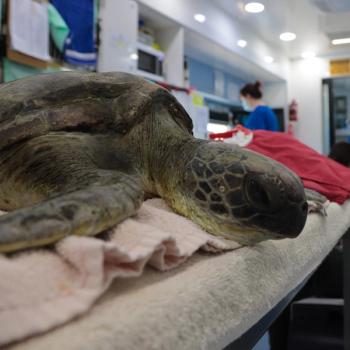
dvm360’s Australian correspondent provides updates on the artificial intelligence (AI) scribe VetNotes and Matilda, the mobile veterinary care unit on a national tour.
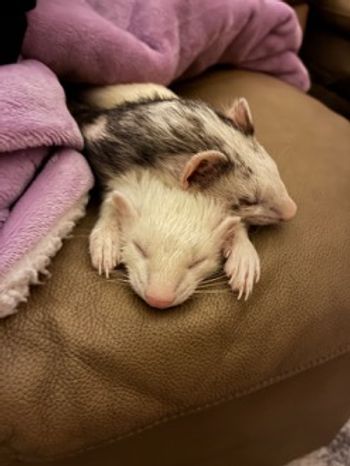
Compassionate end-of-life care for birds and small mammals.

The latest updates relating to animal care establishments and platforms.
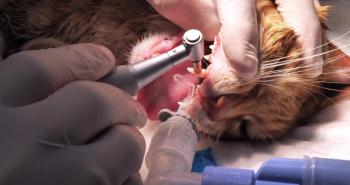
Naomi Hoyer, DVM, DAVDC, discusses her recent continuing education lectures at the 2026 Veterinary Meeting & Expo and provides guidance for dental practices.
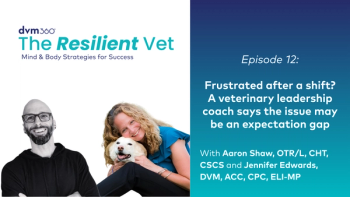
Many practice culture conflicts stem not from incompetence but from expectations that were never clearly expressed, argues Jennifer Edwards, DVM, ACC, CPC, ELI-MP, and Aaron Shaw, OTR/L, CHT, CSCS.

A dvm360 student ambassador shares what it was like to navigate veterinary school outside the US.

After repeated alleged violations of the Animal Welfare Act, the Department of Justice obtained a court order requiring the pet store to allow federal inspectors to assess the animals’ health and living conditions.