Banner - Fetch Kansas City 2026
News|Articles|March 6, 2026

Wrap up: Toxin ingestion misconceptions, and other news

Check out this week’s headlines.

Happy Friday dvm360 readers! Can you believe that Fetch Charlotte is officially a week away? The dvm360 team is so excited to be heading to the Queen’s City for a weekend full of lectures, networking, delicious food, and more. It is not too late to register still, so learn more and secure your spot here today!

Did you also know that dvm360 has officially opened nominations for our 2026 Veterinary Heroes are now open? Each year, dvm360 opens nominations to the veterinary community for them to recognize a hard-working veterinary professional across the industry to be celebrated for all that they do. You can learn more and nominate your veterinary hero here today!

Check out this week’s highlights:
  • On this week’s episode of The Vet Blast Podcast presented by dvm360, our host Adam Christman, DVM, MBA, welcomed Renee Schmid, DVM, DABT, DABVT, debunk multiple myths, including when it is right to induce vomiting, hospitalize patients, and more.
  • The latest installment of Vet scene down under is now available! In this article, Phil Tucak, MSc, BVMS, provides updates on the artificial intelligence scribe VetNotes as well as the mobile veterinary care unit operated by Wildlife Recovery Australia to support wildlife care organizations, engage regional communities, in wild-life rich areas, and more.
  • Christopher Lee, DVM, MPH, DACVPM, DACVM (Parasitology), welcomed Michael Glauser, MBA to the most recent episode of Vet Watch to talk more about what it means to be a good leader in veterinary medicine, including the role of emotional intelligence plays in leadership, and more.
  • A federal inspector with US Department of Agriculture Animal and Plant Health Inspection Service reported seeing animals without water or adequate shelter, including a sloth exposed to Michigan’s winter weather, at a pet store in Michigan.
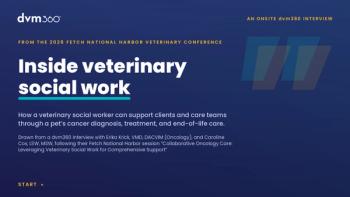
  • The veterinary hospital of the future is shifting away from traditional, sterile layouts toward "connected systems" that prioritize the psychological well-being of patients, staff, and clients. This recent article touches on how to design spaces that support modern medicine and human contact.
  • And more!

Latest CME