Fifteen second-year veterinary students will each receive $20,000, along with mentorship and leadership training that continues after graduation.

Discover how well-trained veterinary assistants streamline patient flow, reduce stress, and boost hospital efficiency.
No single role carries the day alone in a veterinary practice. The best medicine, patient and client care, and strongest teams depend on all job roles being used to their fullest, with all skills layered together. Recognition shouldn’t be reserved for just one week a year, but it’s a starting point. Welcome to the spotlight, veterinary assistants (VAs). Veterinary Assistant Week isn’t just about highlighting you for a limited time; it’s about elevating and celebrating you all year long.
When VAs are used to their full potential, they expand the scope of what credentialed veterinary technicians and veterinarians can do. During a typical day, a credentialed veterinary technician may be running around admitting and discharging patients, responsible for anesthesia monitoring, advanced nursing care, diagnostics, and client education, all tasks that require focused attention and clinical judgment. A veterinarian is balancing examinations, treatment planning, surgery, and client communication. Without support, both roles are pulled in too many directions at once. This is where well-trained veterinary assistants become essential.
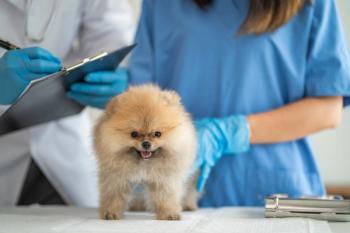
By managing patient flow, preparing exam rooms, safely restraining animals, supporting basic nursing care, maintaining equipment, and ensuring cleanliness and organization, assistants create the conditions for everyone else to perform at their highest level. A technician who is not searching for supplies or a veterinarian who can step into a prepared room with a calm, well-handled patient can focus entirely on diagnosis and decision-making. All thanks to the VA being a part of the team. The result is not just efficiency; it is better medicine.
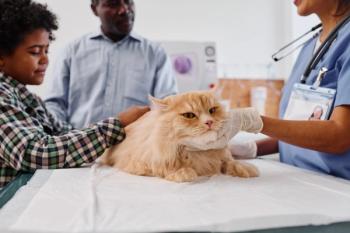
Well-trained veterinary assistants are often the first to greet patients, safely restrain them, and reduce stress in unfamiliar environments. That matters more than we sometimes acknowledge. A calmer patient leads to more accurate exams, safer procedures, and a more positive visit for both pet and owner. A VA's impact extends to clients as well. A warm handoff, a kind word, or a moment spent helping a client understand what comes next can transform an interaction. Assistants often serve as the bridge between clinical care and human connection, reinforcing trust in the entire team.
The most effective veterinary hospitals do not operate as a collection of separate roles. They operate as one team, and VAs play a crucial role.
When a hospital doesn’t utilize its VAs or include them on the team, tasks can fall through the cracks or take too long to complete, communication can break down, and team members can feel either overwhelmed or underutilized.
Veterinary Assistant Week is an opportunity to better recognize this dynamic. It is a chance to say that assistants are not optional; they are additive in the truest sense. And when their contribution is seen, supported, and developed, the entire hospital becomes stronger and more productive.
In addition to recognizing the vital role of VAs within the hospital, it is important to invest in their training, and IGNITE has already done the hard work. When hiring, look for applicants who have graduated from or are currently enrolled in the National Association of Veterinary Technicians in America (NAVTA)-approved veterinary assistant program. Then watch your hospital become the well-oiled machine you know it can be.
about 1 month ago
Meet the 2026 Veterinary Heroes: Joanna Finstad, DVM, MS, DACVECCabout 1 month ago
Meet the 2026 Veterinary Heroes: Heather Duncan, DVM, DAVDCabout 1 month ago
Meet the 2026 Veterinary Heroes: David Brathwaiteabout 1 month ago
Meet the 2026 Veterinary Heroes: Julia Miller, DVM, DACVDabout 2 months ago
Meet the 2026 Veterinary Heroes: Ashley Newsomeabout 2 months ago
Meet the 2026 Veterinary Heroes: Craig Datz, DVM, MS, DABVP, DACVIMabout 2 months ago
Meet the 2026 Veterinary Heroes: Jane Park, DVM, MS, DACVS-SA