
Dani McVety, DVM, co-founder of Lap of Love Veterinary Hospice, shares a few tips for appearing more confident when performing veterinary exams.
Dani McVety, DVM, co-founder of Lap of Love Veterinary Hospice, shares a few tips for appearing more confident when performing veterinary exams.

Amanda Landis-Hanna, DVM, senior manager of veterinary outreach for PetSmart Charities, says veterinarians need to do a better job with behavioral disorders to help prevent euthanasia.
Staci Alonso, founder of Noah’s Animal House, talks about the PAWS Act — a federal bill being considered that would recognize pets in protection orders.
Matt Brunke, DVM, CCRP, CVPP, CVA, staff veterinarian at Veterinary Orthopedic & Sports Medicine Group, advises veterinarians to do their research before buying lasers for their practice.
Steven Marks, BVSc, MS, MRCVS, DACVIM, associate dean at North Carolina State College of Veterinary Medicine, talks about how morbidity and mortality, which is common in human medicine, is different in veterinary medicine.

Kris Bannon, DVM, FAVD, DAVDC, veterinary dentist at Veterinary Dentistry & Oral Surgery of New Mexico, LLC., explains another important part of a pet's wellness package—home care.
Jason Sweitzer, RVT, DVM, chief financial officer and board member of Not One More Vet, Inc., explains how to bring out what may be bothering someone in your veterinary practice.

Self promotion is a learned skill set, says Dr. Robin Downing.
Live from the Veterinary Economics Hospital Design Conference, architect Heather Lewis shares design tips for AAHA accreditation.

Panelists B. Duncan X. Lascelles, BVSc, PhD, DACVS; Mark Epstein, DVM, DABVP, CVPP; Bryan T. Torres, DVM, PhD, DACVS-SA, DACVSMR; Sheilah Robertson, BVMS, PhD, DACVAA, DACAW; and Margaret Gruen, DVM, MVPH, PhD, DACVB, outline the importance of early diagnosis of osteoarthritis in companion animals, as well as pet owner education about lifestyle changes, such as diet and exercise, to help with pain management.
Wendy Hauser, DVM, assistant vice president of veterinary relations for Crum + Forster Pet Insurance Group, likes to ask current practice owners about how they use pet health insurance in their veterinary hospitals.
Live from the Veterinary Economics Hospital Design Conference, we caught up with this years honoree. His advice is simple and timelessand it rocks.
Becoming a veterinarian is the best decision I ever made, says equine veterinarian Dr. Robert M. Miller. Get inspired with him here.
Betsy Charles, DVM, MA, executive director of the Veterinary Leadership Institute, talks about the concept that women need to lead differently than men.
W. Preston Stubbs, DVM, DACVS, staff surgeon and owner of Mile High Veterinary Surgical Specialists, describes the two most common mistakes veterinarians make when diagnosing orthopedic conditions.
It will be hard, but building your own practice is so rewarding, they say.

Panelists B. Duncan X. Lascelles, BVSc, PhD, DACVS; Mark Epstein, DVM, DABVP, CVPP; and Bryan T. Torres, DVM, PhD, DACVS-SA, DACVSMR, discuss strategies that veterinary staff can use to educate clients about identifying pain in their pets.
Marie Holowaychuk, DVM, DACVECC, critical care specialist and veterinary wellness advocate for Critical Care Vet Consulting, explains how to know when you're not taking care of yourself like you should be.
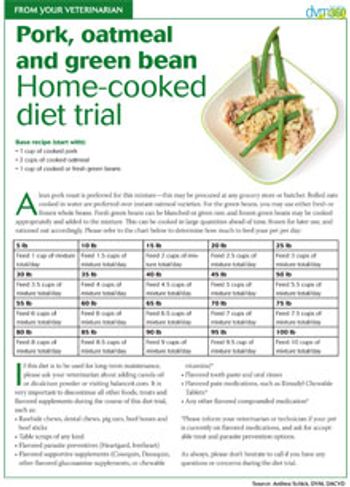
If clients need to use a limited-ingredient diet to complete a diet trial for their pet, Dr. Anthea Schick recommends these two homemade diets.
Mike Dicks, PhD, director of veterinary economics for the American Veterinary Medical Association, describes two risks pet owners are trying to manage when deciding whether to buy pet health insurance.
Bryan Torres, DVM, assistant professor of small animal orthopedic surgery and director of the Motion Analysis Laboratory at the University of Missouri, explains what breeds of dogs and cats are more likely to develop osteoarthritis.

Carol Robertson-Plouch, DVM, Translational and Comparative Medical Research (TCMR), LRL Strategic R&D Innovations at Eli Lilly Research Laboratories, gives two examples of molecules that have been utilized and developed in both humans and animals.
Gary Vroegindewry, DVM, MSS, DACVPM, director of One Health at Lincoln Memorial University, gives advice for stressful in-person interviews.
Kris Bannon, DVM, FAVD, DAVDC, veterinary dentist at Veterinary Dentistry & Oral Surgery of New Mexico, LLC., explains how anesthetized dental care is important for a pet's wellness package.
Marvin Meinders, DVM, MPVM, veterinary epidemiologist, talks about the importance of creating a "life plan."

Panelists B. Duncan X. Lascelles, BVSc, PhD, DACVS, and Margaret Gruen, DVM, MVPH, PhD, DACVB, provide insight on areas of veterinary pain management research that translate well to human research, and suggest future directions in this area of study.
Mike Dicks, PhD, director of veterinary economics for the American Veterinary Medical Association, talks about how the AVMA economics division is trying to develop a business curriculum for the entire veterinary profession.
Those reports aren't going to complete themselves. Ehh, just stay a few extra hours.

Jen Brandt, PhD, LISW-S, assistant director of veterinary student affairs at Ohio State University College of Veterinary Medicine, explains the connection between social work and veterinary medicine.
Marie Holowaychuk, DVM, DACVECC, critical care specialist and veterinary wellness advocate for Critical Care Vet Consulting, explains the eight dimensions of wellbeing and how they relate to self-care.