

There's a huge misconception, says Kenichiro Yagi, MS, RVT, VTS (ECC, SAIM), ICU manager at Adobe Animal Hospital in Los Altos, California, when it comes to the importance of cross-matching in dogs.
There's a huge misconception, says Kenichiro Yagi, MS, RVT, VTS (ECC, SAIM), ICU manager at Adobe Animal Hospital in Los Altos, California, when it comes to the importance of cross-matching in dogs.

Dr. Dave Nicol says your quality of life is being compromised.

When dealing with kidney disease, says Karol Mathews, DVM, DVSc, DACVECC, professor emeritus of clinical studies at Ontario Veterinary College at the University of Guelph, the ultimate obvious goal is to stop or reverse the kidney injury. This largely depends on the cause, though.

You can always safely treat eyeballs with topical antibiotics, glaucoma medication, and lubricants, says Jennifer Welser, DVM, DACVO, chief medical officer of BluePearl Veterinary Partners.

John D. Anastasio, DVM, DACVECC, medical director of emergency and critical care at VRC Specialty Hospital in Malvern, Pennsylvania, says, ideally, drugs such as vasopressors and vagolytics would be given intravenously during CPR.
If we're better communicators, better at understanding ourselves and better at understanding the behaviors of others, says Rebecca Tudor, DVM, DACVS, owner of Tarheel Veterinary Surgical Specialists in Louisburg, NC, it makes for a better work day and a better life.
Even if you already know you want to implement Fear Free at your practice, says Laura Muller, LVT, nursing manager at Cherry Hill Animal Hospital in Cherry Hill, New Jersey, you still need your veterinary staff to get on board.
When you think about a client-veterinarian interaction in an exam room setting, says Linda Fineman, DVM, DACVIM (Oncology), director of veterinary talent and knowledge strategy at Ethos Veterinary Health, there are several parallel processes happening.
Go high to increase storage and eliminate dust at the same time.

Ken Drobatz, DVM, MSCE, DACVIM, DACVECC, professor of critical care at the University of Pennsylvania, says a lot of toxins can look like medical conditions, and a lot of medical conditions can look like toxins when it comes to your veterinary patients.

The post-antibiotic world is like the pre-antibiotic world, says Jill Maddison, BVSc, PhD, FACVSc, SFHEA, MRCVS, professor of general practice in clinical sciences and services at the Royal Veterinary College.
There are a lot of misconceptions when it comes to drug enforcement and regulation for veterinary practices.
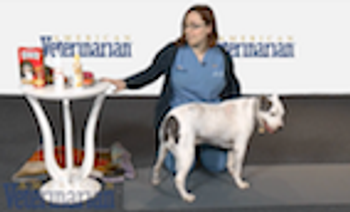
The Fear, Stress, and Anxiety Scale helps veterinarians understand when to stop an examination before it become dangerous. Laura Muller, LVT, nursing manager at Cherry Hill Animal Hospital in Cherry Hill, New Jersey, says implementing this scale in practice is extremely helpful.
A recent study proposes the first-ever molecular model for the cause of rabies infection-associated behavior.

Oliver Knesl, BSc, BSc (Hons), MSc, BVSc, MRCVS, director of major accounts for veterinary professional services in the US Companion Animal Division for Zoetis, answers several of the questions he was asked after his presentation on assistance animals at the 2017 American Veterinary Medical Association Convention.

Veterinary technicians should not only be able to assess a patient quickly, says Erica Mattox, CVT, VTS (ECC), patient care director and surgery manager of WestVet in Garden City, Idaho, but also run diagnostics.
Alan Robinson, BVSc, MRCVS, DMS, director of VetDynamics UK Ltd, says your business is only as good as you are.
Many veterinary practices struggle with how to implement Fear Free and still have an efficient practice, says Janet McConnell, CVT, director of education and professional development at Compassion-First Pet Hospitals.

Laura Muller, LVT, nursing manager at Cherry Hill Animal Hospital in Cherry Hill, New Jersey, says there are several Fear Free techniques that can make feline appointments less stressful for the patient, client, and you.

Laura Stern, DVM, DAVBT, senior toxicologist for the ASPCA Animal Poison Control Center, describes some of the things around the house pet owners have no idea are toxic to their pets.
According to Dr. Pollard, a radiograph alone won't give you the answer you're looking for when you suspect a veterinary patient's heart is abnormal.
This CPA says get your document ducks in a row.
When prescribing an antimicrobial, Dr. Maddison explains, veterinarians are changing the flora in the animal’s gut.
Tony Bartels, DVM, MBA, consultant for the Veterinary Information Network, talks about the pros and cons for both the U.S. Department of Education's Repayment Estimator and the VIN's Student Loan Repayment Simulator.
Laura Muller, LVT, nursing manager at Cherry Hill Animal Hospital in Cherry Hill, New Jersey, shares how using Fear Free techniques helped a very fearful and aggressive dog at her clinic.
Find out why veterinary sports medicine and rehab specialist Dr. Matthew Brunke became a believer.

Andrew Linklater, DVM, DACVECC, from Lakeshore Veterinary Specialists, talks about the different approaches veterinarians can take to treat refractory seizures.

Lisa Radosta, DVM, DACVB, owner of Florida Veterinary Behavior Service, explains that it’s nearly impossible to simplify how behavioral medications work in pets.
There have been some recent developments with cat boarding and holding when it comes to stress and fear, says Greg Taylor, CEO of the Mason Company.
Laura Muller, LVT, nursing manager at Cherry Hill Animal Hospital in Cherry Hill, New Jersey, talks about why the veterinarian should get on the same level as their patients—not the other way around.