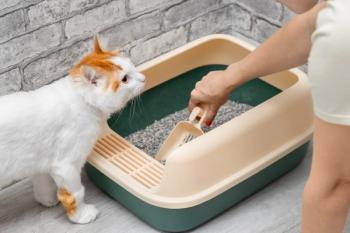
Christopher Lee, DVM, MPH, DACVPM, DACVM (Parasitology), discusses the clinical significance of Toxoplasma gondii, when veterinary professionals should consider testing and how to communicate the risks of exposure to clients.
Veterinary technicians should not only be able to assess a patient quickly, says Erica Mattox, CVT, VTS (ECC), patient care director and surgery manager of WestVet in Garden City, Idaho, but also run diagnostics.
Veterinary technicians should not only be able to assess a patient quickly, says Erica Mattox, CVT, VTS (ECC), patient care director and surgery manager of WestVet in Garden City, Idaho, but also run diagnostics.
Veterinary technicians should be doing the diagnostics—such as running a blood panel or doing the blood pressure—to free up the doctor. Diagnostics are important for technicians to know, she says, because they can't just run blood work effectively, get the numbers back, and then not know what they mean.