
Dr. Clifford (Kip) Berry provides insight on how much training is required to master the ultrasound machine.
Dr. Clifford (Kip) Berry provides insight on how much training is required to master the ultrasound machine.
Dr. Charlotte Lacroix explains why you shouldn't be so hasty to sign a veterinary employment contract.
Dr. Heather Troyer shares how she uses acupuncture to treat pain associated with several conditions including cancer.

Dr. Charlotte Lacroix shares the best way to approach the CBD topic with clients.
Veterinary anesthetist Stephen Cital explains why anesthesia monitoring for exotic animals should be the same as for dogs and cats.
Jenny Cassibry Fisher explains how lymphoma presents differently in dogs and cats
Dr. Matthew Edson discusses the growing popularity of backyard chickens.
Dr. Troyer discusses end-of-life pet care
Stephen Cital discusses diversity issues within veterinary medicine and shares a few strategies to help break these barriers.
Some of the veterinary technician speakers and attendees at the Atlantic Coast Veterinary Conference wanted to extend their best wishes for a wonderful week to colleagues around the country!
Improve your veterinary anesthetic protocol by considering these key factors.
Dr. Edson shares a few things you should know before seeing livestock at your practice.
Fellow vet tech encourages all vet techs to stay involved at their veterinary practice.

Find free gifts for technicians and assistants who serve pets and people every day.

Purina researcher discusses potential nutritional intervention to manage the human allergic response to cats.
When it comes to miniature pigs, you should know about these common health conditions.
In veterinary school, the focus is what a case needs or doesnt neednot how the client will respond to the bill. A veterinarian and veterinary technician discuss what their education didnt prepare them for in practice.
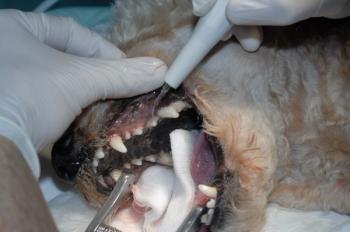
The key to conducting a safe and successful tooth extraction is giving yourself enough room to work, says Mary Volker, DVM, DAVDC.
You have an open wound come into your practice. Your first temptation is to close it right up. But you might want to wait a few days first, suggests Dr. Bronwyn Fullagar.
USP 800 is very important in how your faculty handles compounded drugs, says veterinary architect Vicki Pollard, CVT, AIA, at HospitalDesign360 conference.
Practices are fighting to hire veterinary associates today. Could that lead to unsustainable salaries as we compete for hires?
Skeptics may worry that big hospital chains will stop innovating in veterinary hospital design because it can be price-y. This HospitalDesign360 conference speaker says, No way.
Its already tomorrow in Australiadoes that mean theyre living in the future? Heres one issue that veterinary professionals in the U.S. might see in their own practices sooner rather than later.
The pool of potential cases for rehabilitation services in general veterinary practice is much bigger than you think, says Fetch dvm360 speaker Dr. Matthew Brunke.
Puppies and kittens who exhibit straight-up fear or wont investigate stimuli after being startled are outliers in need of treatment, says Fetch dvm360 conference speaker and veterinary behaviorist Dr. Lisa Radosta.
Maybe its just a feeling in your gut, but are you seeing more intestinal parasite cases in veterinary practice? Fetch dvm360 educator Dr. Richard Gerhold shares a few strange or disturbing happenings with these pet scourges.
Get organized and get to a resolution quickly that both veterinary practice and client can live with.
Though a specialist or trainer may be necessary, you can take care of more than you think in-house.
'I'm able to align my beliefs with my work by working with pets of the homeless,' Colorado doctor says.
Or at least acknowledge them, because they're not going away. Veterinarians chime in on co-existing with pet merchants.