






Why is it that 60% of a manager's time is spent on human resource issues?
Why is it that 60% of a manager's time is spent on human resource issues?

Transfusion of blood products is an important lifesaving measure performed frequently in veterinary medicine.
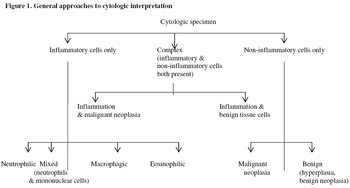
In the last ten years, exfoliative cytology has been gaining popularity as a diagnostic aid in veterinary practice.
The process of designing vaccination programs and cost-effective treatment regimens should be data driven and "custom built" for a particular feeding operation.
See where you and your clients stand on getting the standard recommended care.
Here are three ways to help clients afford care and keep pets at optimum health.
Ease team members' work-related concerns.
A veterinary specialist asks tough questions and offers advice to practitioners on good habits to survive licensing board investigations.
Use this form to customize a letter that will protect abandoned pets and your practice.

How to address emergency expenses.

What to do about intoxicated clients.

DIY pet memorials.
Position-by-position senior care roles.
It's the aftermath, not the error, that determines failure. Recover from any blunder with style and you'll emerge more successful than before the slip-up. Here's how.
The busier you are, the healthier your immune system.
Read the week's highest-rated cartoon.
When a problem happens over and over, step back and determine where the issue lies. Here's how.
It's a bird, it's a plane, it's an airline for pets.
These three clips come from Doug Jack's law and ethics session "Anatomy of a licensing board investigation" at CVC East 2009 in Baltimore. And all could keep you out of trouble.
When you and your team members just can't seem to get along, take a look at each others' style.
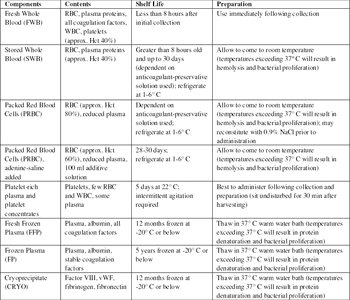
A safe and adequate supply of blood components for transfusion is indispensable.
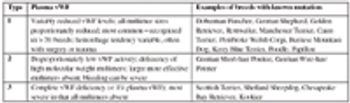
Accurate diagnosis and treatment of the bleeding patient requires a basic understanding of the pathophysiology of hemostasis.
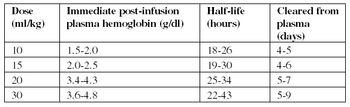
Whole blood can be stored or processed into one or more of the following components: red blood cells, platelets, plasma, and cryoprecipitate.
Bleeding animals often present to the emergency room in advanced stages of disease, on the verge of cardiovascular collapse, and in need of immediate therapeutic intervention.
Abnormal bleeding or bruising is frequently encountered in veterinary clinical practice.
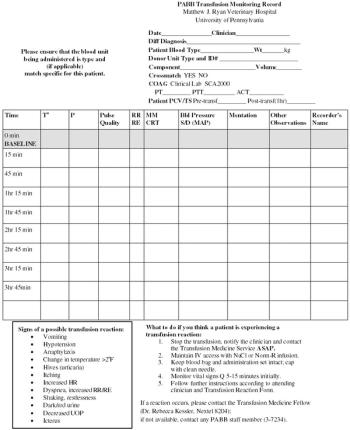
Animals should be carefully monitored for any adverse reactions during and for several weeks following transfusion.
Shawn McVey, MA, MSW, is owner of McVey Management Solutions (formerly IVMS), a consulting business that specializes in improving health care delivery systems and correcting workplace culture. He is also a member of the Firstline and Veterinary Economics editorial advisory boards. He regularly leads Firstline Live, the Veterinary Economics Managers retreat, and a range of practice management sessions at CVC in Washington D.C., CVC in Kansas City, and CVC in San Diego.
The idea that a hospital would condone employees smoking on the clock, leaves one reader fired up.
Good communication and no-poaching policies can turn competitors into fans.
Team members have to pick up trash and pull weeds when taking time to smoke a cigarette.