









It sure is, and here’s how veterinary technicians can play their part.
It sure is, and here’s how veterinary technicians can play their part.

Pet owners are largely enjoying the curbside service they're currently receiving at veterinary practices. Here's why, plus a look at strategies to implement now and after the COVID-19 crisis ends.

New research shows that pet owners anticipate lower prices—as well as good quality care—in Walmart-based veterinary clinics. Here’s how to compete.

Thoughts from a third-year veterinary student about to embark on clinical rotations during COVID-19.
How are your veterinary clients coping with all the major changes your practice has implemented in the face of COVID-19? One practice team shares their experience.
Dr. Christopher Allen takes a look at the potential financial fallout facing veterinary associates and practice owners post COVID-19. He also shares some possible opportunities for those who are prepared.
Idexx Laboratories has made its SARS-CoV-2 (COVID-19) RealPCR Test available in response to requests from veterinarians as well as clinical evidence that animals can—rarely—become infected with the novel coronavirus.

Check out some of the latest veterinary research and more in this week's news highlights.

This collaboration supports a larger mission to promote inclusion and diversity in the veterinary community.

Charges have been filed against 27 individuals in the $100 billion global horse racing industry.

Our current state of affairs affects companion animals as well as the people who care for them. The National Dog Bite Prevention Week Coalition outlines why it’s more important than ever to incorporate dog bite prevention education into client communication.

Coronaviruses are generally zoonotic, and certainly not news in animal health circles. Therapies shown to inhibit replication of viruses having animal hosts could hold promise for treating the novel coronavirus in people.

A veterinary dermatologist outlines the latest in flea and tick control products—and how to choose what’s best for your patients.

Experts agree that in the face of the COVID-19 pandemic, veterinarians need technology in their practices today more than ever. Whether you're a technology novice or an expert, there's always more to learn.

Among the many adjectives that might describe working in a veterinary practice, ‘dangerous’ is likely not among the first that come to mind. But maybe it should be.
Addressing this question with your elderly clients can be challenging and uncomfortable, but it’s important and requires careful attention.

After a 16-year stint, including the past 13 years as chief veterinary officer, Dr. Carol McConnell has retired from Nationwide. Dr. Jules Benson assumed her position earlier this month.

Are you remaining optimistic about the future of veterinary practice? This ongoing COVID-19 conversation offers tips for combatting depression and burnout right now, and planning for the future.

The necessary changes veterinary practices have made to promote social distancing during the COVID-19 outbreak are sparking all sorts of ideas about new ways to run a veterinary practice once the crisis is over.
This free CE webinar will illuminate best practices for the use of technology, including telemedicine, during the COVID-19 pandemic and beyond.
SPCA International offers unique insight on how the coronavirus pandemic is affecting animal shelters and rescues throughout the world, what’s being done to help now and what will be needed when the crisis is over.
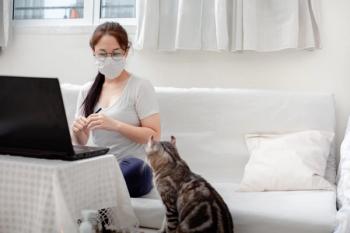
The coronavirus pandemic has generated more questions than answers so far, but a recent webinar outlines what we do know, including infectivity in animals, and what precautions pet owners and practices should be taking.
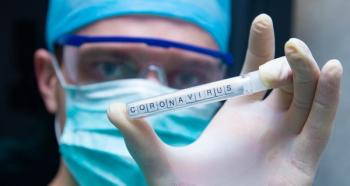
The barrage of COVID-19 research has begun, including studies that have not yet been qualitatively reviewed for the validity of findings or suitability for publication. Here's what you should keep in mind.
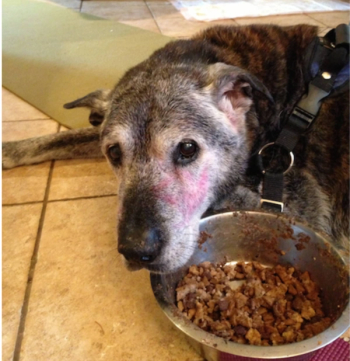
New protocols in the face of COVID-19 have impacted most aspects of veterinary practice, perhaps none more so than euthanasia procedures.
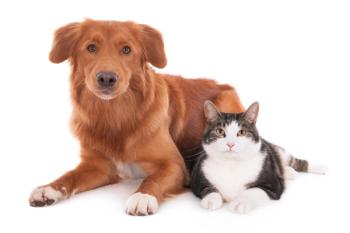
Ongoing monitoring of samples submitted to the company underscores current evidence that pet dogs and cats are unlikely to become infected with the novel coronavirus.
An engineered form of a common bacteria may be the key to creating a vaccine against the novel coronavirus.

What does "normal" look like in a 33,000-square-foot emergency and specialty veterinary hospital during the COVID-19 pandemic?

A New Jersey practice owner shares the changes his practice has made in order to prevent the spread of COVID-19. It's been a rough time in many ways, but he couldn't be prouder of his staff and clients.
The association shared with its global veterinary audience news of the first animal in the United States to test positive for the virus, plus preliminary international research on transmission and treatment.