Banner - Fetch Kansas City 2026

Equine

i4-162173-1384776123278.jpg

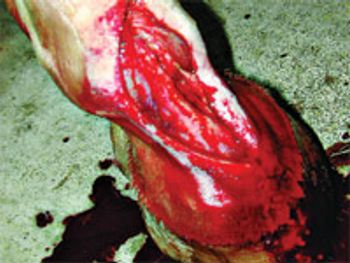
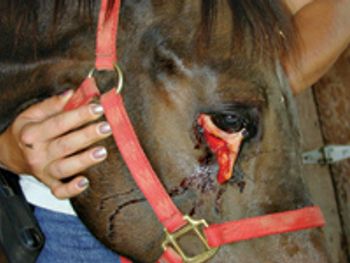
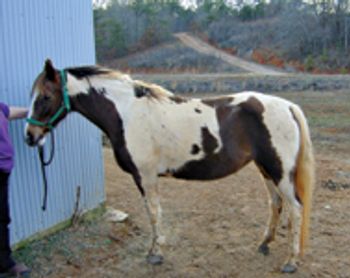
Wounds to the body of the horse can be very large and may initially seem quite severe. Because of the natural tendencies of this prey animal to run from possible danger first and to be concerned about the consequences later, many body injuries result from collisions with trees, fences, wire or other environmental hazards. The horse often is moving quickly when this trauma occurs, and the wounds produced are sometimes superficial and extensive, and they also can be more limited in location but very deep. These deep wounds have the potential to penetrate the abdomen or the chest, and either scenario is a medical emergency.

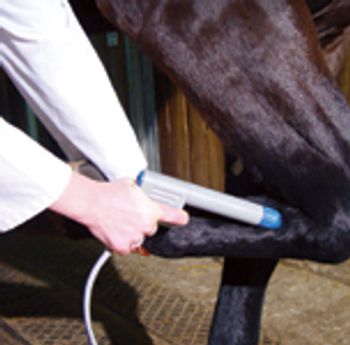
Though the highly portable extracorporeal shock wave therapy units have a lot of utility outside the clinic, the technology should remain in the hands of those who know what they are doing: a trained veterinarian.

i1-156653-1384781213350.jpg

Antibiotic therapy and occasionally flushing of the sinuses will reduce the potential for post-surgical complications.

i1_t-156893-1384780369935.gif

During foaling season, equine practitioners are asked to examine foals that present with lameness or joint effusion. Many times the owners will report that the foal was noticed to be a little "off" for the past few days, and they assumed the mare stepped on it. These words should alert the practitioner to the real possibility of the foal having a septic arthritis or osteomyelitis. Because of the seriousness of the potential problem, all lame neonatal foals should be considered to have a septic joint, epiphysis or physis until proven otherwise.

i1-152656-1384781570975.jpg

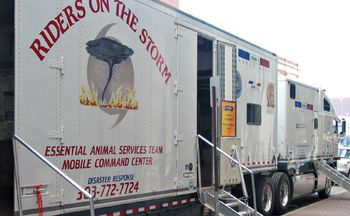
DENVER — They've pulled buffalo, llama, elk, deer, squirrels, snakes and ferrets from the brink of disaster. They've helped cattle, horses, cats and dogs, too, so Code 3 Associates must stock supplies to reflect the diversity of animals that it might save during any given disaster.

DENVER-Fifty years of service will be commemorated at the American Association of Equine Practitioners (AAEP) convention in December.

i1-126478-1384785200114.jpg

WEST LAFAYETTE, IND.-Purdue University veterinarians set precedent for diagnosis and treatment of a kidney tumor in a 23-year-old horse. Jan Hawkins, DVM, Dipl. ACVS, associate professor of large animal surgery, Purdue University, removed the horse's kidney through its flank using no general anesthesia. The right kidney was removed using a hand-assisted laparoscopic technique.

LEXINGTON, KY.-The American Association of Equine Practitioners' (AAEP) Foundation donated $3,000 to help supply Florida veterinarians with satellite telephones in lieu of recent hurricanes.

i2-121600-1384785839648.gif

What is your number? We all have numbers that are important to us as individuals-our social security number, our telephone number, maybe even our bed's sleep number. But there should be another number that is important to you, too, and that is an AQI number. The Air Quality Index (AQI) is a means of reporting daily air quality, and it is a measure of how clean or polluted air in a specific location is. The AQI number directly relates to the possible health and environmental effects of air, as well as the calculated health risks within a few hours to days after breathing it.

image1-94484-1384791006048.jpg

If there is any truth to the idea that after a while owners start to look like their pets, then many horsemen and women need to go on a diet.

Schaumburg, Ill.-The American Veterinary Medical Association (AVMA) Executive Board approved, at presstime, granting funds for a Food Animal Summit Taskforce research project designed to maintain the availability of veterinarians for careers in agriculture-related fields.