
A small, spotted cat from Bolivia's cloud forests, first kept as a pet by someone who thought it was a house cat, has been confirmed as a species new to science.
A small, spotted cat from Bolivia's cloud forests, first kept as a pet by someone who thought it was a house cat, has been confirmed as a species new to science.
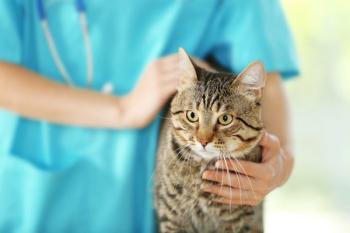
A new online hub offers quick tips, client handouts, and practical guides to help veterinary teams both make clinic visits easier on cats and get more in for routine care.
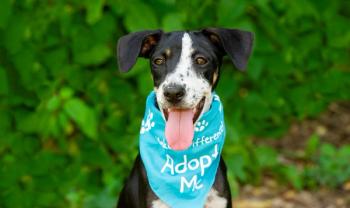
A survey of more than 26,000 adults in 14 countries found that many people are open to adopting a pet but hold back because of what they don't know about the animal's past.
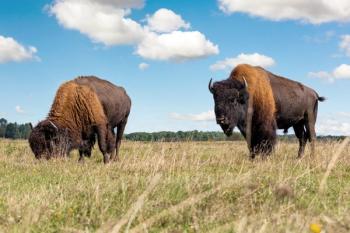
The first survey of parasite control on bison ranches shows most herds are dewormed on a schedule, with little testing to see whether they need it. Researchers say the habit could make resistance harder to manage.
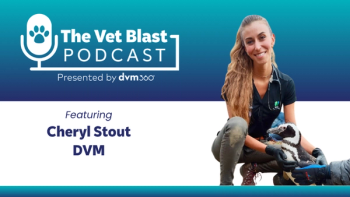
Cheryl Stout, DVM, discusses her path from aspiring conservationist to residency-trained zoo veterinarian, her conservation goals, and her educational work on social media.
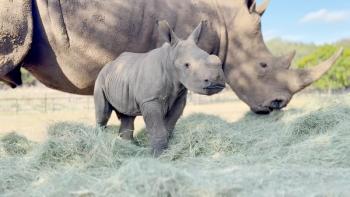
After more than 20 years of work toward its first rhino birth, the Texas ranch has now welcomed 3 calves in 3 years.

Two notable pet-industry acquisitions closed in September. One bringing AI-powered clinical documentation into IDEXX's software ecosystem, the other marking the first acquisition for fresh-food brand The Farmer's Dog.

Christopher Lee, DVM, MPH, DACVPM, DACVM (Parasitology), explores the relationship between Toxoplasma gondii and household cats, with practical insights for veterinary professionals discussing exposure and prevention with clients.

The five-year Big Bet for Pets initiative targets what the foundation calls a care gap affecting 50 million dogs and cats in the US, opening two new grant programs for nonprofit veterinary clinics.

A UC Davis study is investigating why Labrador retrievers develop copper-associated hepatopathy and whether blood-based tools could help identify the disease before serious liver damage occurs.
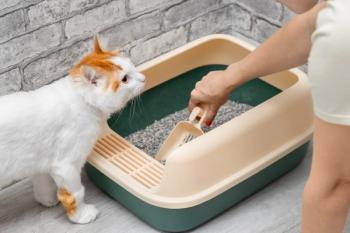
Christopher Lee, DVM, MPH, DACVPM, DACVM (Parasitology), discusses the clinical significance of Toxoplasma gondii, when veterinary professionals should consider testing, and how to communicate the risks of exposure to clients.

New CDC and climate data show tick exposure and pollen seasons are both stretching well beyond their traditional windows, a trend animal health company Elanco says is also increasing demand for veterinary care.

Caitlyn Getty, DVM, PhD, DACVIM (Nutrition), explains how synergistic prebiotic fiber blends outperform single supplements in supporting fermentation, postbiotics, and gut health.
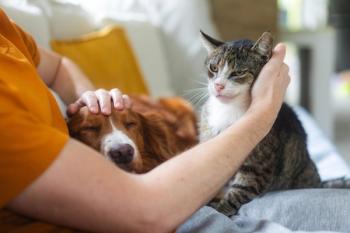
New survey data suggest the family pet has quietly become a stakeholder in decisions about where owners live, who they love, and how they plan for the future.
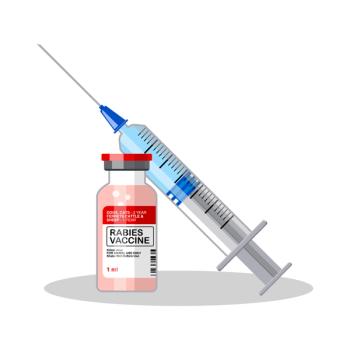
Several rabies exposure incidents have been reported across multiple states, days after the CDC issued a health advisory on rising human rabies exposures and errors in postexposure prophylaxis administration.
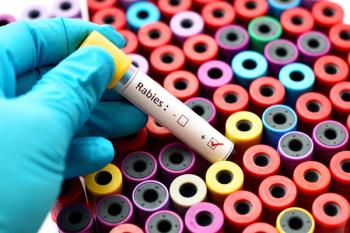
The CDC says multiple US jurisdictions have reported increases in human exposures to rabid or potentially rabid animals since July, along with increased use of rabies postexposure prophylaxis.

Anthony Coronado, DVM, breaks down how new veterinarians can build clinical confidence, communicate with clients, and avoid burnout in their first years.

Patch Pals, developed with BARK, are soft-baked, blueberry muffin-flavored dog treats that will be available online during the 2027 Girl Scout Cookie season.

A Garland, Texas, couple operated a website that sold veterinary drugs not approved for use in the United States as well as unregistered pesticides smuggled from Mexico, according to the US Department of Justice.
Caitlyn Getty, DVM, PhD, DACVIM (Nutrition), explains the use of nutrition first to manage GI cases, tailoring highly digestible, high-fiber, or low‑fat diets to patient needs.

The fresh-food company, whose recipes are developed by a team that includes board-certified veterinary nutritionists, has signed a multiyear deal, making it the league's inaugural pet food partner.
Anthony Coronado, DVM, breaks down how new veterinarians can build clinical confidence, communicate with clients, and avoid burnout in their first years in this episode of The Vet Blast Podcast, presented by dvm360.

A retrospective review of nearly 79,000 dogs across more than 1000 primary care hospitals found that parvovirus diagnoses dropped by more than 85% between 2010 and 2022, but of the dogs with known outcomes, nearly 44% still died or were euthanized within 14 days of diagnosis.
Caitlyn Getty, DVM, PhD, DACVIM (Nutrition), outlines how extended, flexible transitions help pets accept prescription renal diets, preventing negative effects of inappropriate over-the-counter foods.
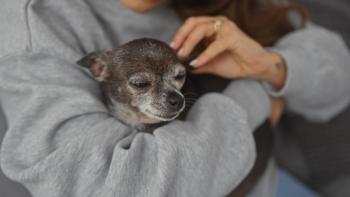
Cognitive dysfunction in dogs and cats becomes more common with age and often mimics other conditions, according to a Texas A&M veterinary neurologist, who says a detailed history is key to diagnosis.

Kelly Mann, DVM, MS, MSS, DACVR, explains how veterinary medical detachments provide care on the battlefield, while a hub-and-spoke evacuation system helps move injured military working dogs toward higher levels of care.
Caitlyn Getty, DVM, PhD, DACVIM (Nutrition), explains how veterinarians can use combination renal diets and nutrient profiling to match food choices to complex patient needs.
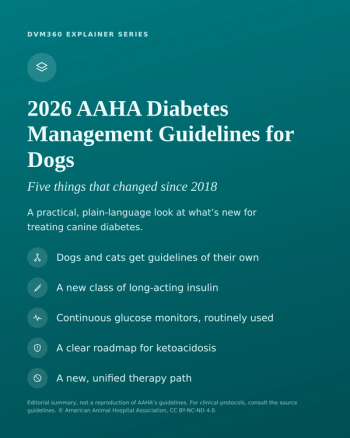
The AAHA released 2026 diabetes management guidelines for dogs, its first stand-alone canine edition, changing insulin options, monitoring, and treatment approaches.

A Texas A&M–led analysis of more than 50,000 dogs found that 5 or more chronic conditions more than doubled mortality risk in a given year, regardless of a dog's age or size.
Kelly Mann, DVM, MS, MSS, DACVR, highlights canine freeze-dried plasma as one piece of the puzzle in developing better veterinary blood products.

Published: August 24th 2026 | Updated: August 24th 2026

September 9th 2026
September 15th 2026