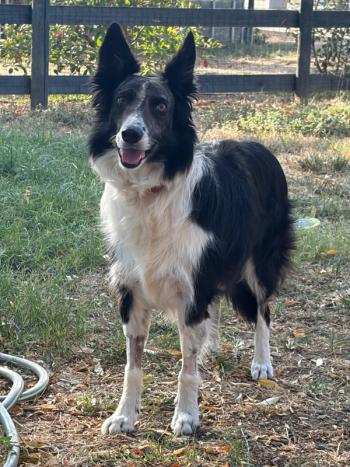
UC Davis veterinarians used 3 titanium miniplates and 16 screws to repair fractures of the skull, orbit, and midface in a 5-year-old dog named Tessa.
Tripp Oliphant, DVM, discusses the transition from veterinary school to emergency practice, sharing advice on clinical reasoning, teamwork, and seeking mentorship in high-pressure situations.
Veterinary school prepares students to build thorough differential diagnoses, but applying that approach in the emergency room can look very different. In this video, Tripp Oliphant, DVM, discusses why taking time to think through a case can be just as important as acting quickly, even in high-pressure situations. Drawing from his own experience, he explains the value of relying on the veterinary team, seeking guidance from mentors, and continuing to ask questions as clinical confidence develops.
Below is the transcript, which has been lightly edited for clarity.
Tripp Oliphant, DVM: Hi, my name is Tripp Oliphant. I'm a small animal veterinarian. I graduated in 2023 and I currently am primarily an urgent care doctor, but I also do emergency medicine. Started in emergency medicine, and now have transitioned, but still love emergency medicine.
dvm360: For students interested in emergency and critical care, what clinical skills or habits do you believe are most important to develop early?
Oliphant: So, in vet school they teach you to go through the gamut of differentials and think of everything and that's great whenever you have a scheduled appointment, but whenever you're in the throes of it, that's just sometimes not possible. And so, that being said, though, I think the biggest thing is to learn how to think and not always just taking action. If you need to take a step back, just tell your technician, 'Hey, how about you guys get a blood pressure on this' and take a step back and really think about what this patient needs.
There [are] going to be the times where the patients are crashing and they need to be emergently managed, and in that case, if you're not comfortable, then I would venture to say reach out to a mentor, reach out to someone that you do feel comfortable with, but I guess when we graduate veterinary school, especially for me, one of my biggest things was trying to know everything all at once, and you just can't, and I think there's a misconception that the best ER doctors know everything, and that's not necessarily true. I think that the calmest person in the room, the most confident person in the room, should be the doctor and should rely on their team and their staff, and when they're not comfortable asking questions, doing that research, and trying to learn from that case.