


|Videos|June 2, 2023
Creating inclusive spaces for the LGBTQ+ community in vet med
Author(s)dvm360 Staff
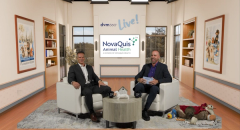
Omar Farías, VMD joins dvm360 Live!™ to discuss Pride Month, inclusion, and more
Advertisement
Episodes in this series


Advertisement
This content is sponsored by Hill's.
In honor of Pride Month 2023, dvm360 Live!™ puts the spotlight on LGBTQ+ isssues in the veterinary profession. Omar Farías (he/him), VMD and president elect of PrideVMC, joins this episode to discuss the work being done to ensure everyone has a safe and inclusive work environment.
Omar Farías, VMD: With the current climate, there's just so much that can be done. Simply, one of the first things an individual can start doing, and I should have done this when we started talking...I should have shared my pronouns. One of the ways in which we can be more inclusive is to show that you're a safe space for others.
Advertisement
Related to this article
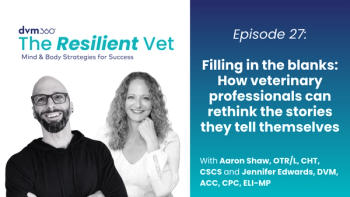
When veterinary professionals face uncertainty, they may fill in missing information with assumptions that increase stress and affect their relationships. Cohosts Jennifer Edwards, DVM, PCC, CPC, ELI-MP, and Aaron Shaw, OTR/L, CHT, CSCS, discuss how to recognize these thought patterns and challenge the interpretations behind them.
Surgeons rehearsed on feline cadavers and used a custom 3D-printed template to remove the growth hormone-secreting mass in a 10-year-old cat. IGF-1 normalized within a week.
A small French study found the inflammation marker helped separate some causes of breathing trouble in cats. A larger German study found it could not clearly tell respiratory conditions apart.
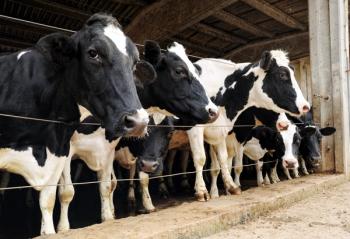
The state is the 22nd to report the virus in cows, and the outbreak next door has been linked to 3 human infections, including 1 death.
Brittany Lancellotti, DVM, DACVD, explains how regional allergen patterns, an at-home topical toolbox, and routine cytology can help general practitioners stay ahead of seasonal allergic dermatitis in this episode of The Vet Blast Podcast, presented by dvm360.

The free online tool from the University of Minnesota catalogs vaccines, either in the works or already on the market, for dogs, cats, livestock, and poultry.
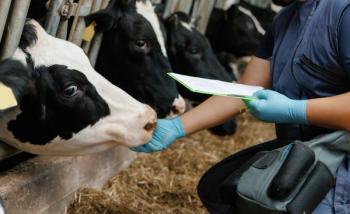
Seven veterinarians will share $890,000 in grants. A September federal report found most rural counties have been part of a shortage area.
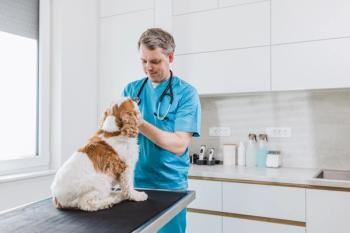
A 5-dog case series describes ocular signs ranging from blepharitis to retinal detachment and blindness, with relapses in some dogs despite prolonged clindamycin therapy.
Advertisement
Advertisement