Anita Patel, DVM, discusses why acknowledging uncertainty, welcoming feedback, and leading with vulnerability can help veterinary leaders build trust, strengthen accountability, and encourage team members to contribute new ideas.

Anita Patel, DVM, discusses why acknowledging uncertainty, welcoming feedback, and leading with vulnerability can help veterinary leaders build trust, strengthen accountability, and encourage team members to contribute new ideas.

From the fear of diabetic ketoacidosis to the real cost of monitoring, Ellen Behrend, VMD, MS, PhD, DACVIM (SAIM), makes the case that SGLT2 inhibitors are safer and easier to use in cats with diabetes than many practitioners assume, and explains who the right candidate is.

Dilara Kiran, DVM, MS, explains why policy engagement extends beyond the federal government and highlights New World screwworm as an example of why proactive regulations matter.

Dilara Kiran, DVM, MS, shares why veterinarians are uniquely positioned to contribute to policy, highlighting how everyday clinical decision-making translates to stakeholder engagement and advocacy.

Anita Patel, DVM, explains why transparency, constructive feedback, and solution-oriented thinking can help veterinary teams influence organizational decisions and improve practice operations.

Drawing on insights shared by federal officials at the USDA, FDA, and CDC during a joint session at the 2026 AVMA Convention, along with the latest federal guidance, agency data, and published resources, this report explains what veterinarians need to know about the flesh-eating parasite.

Ellen Behrend, VMD, PhD, MS, DACVIM (SAIM), shares why she believes SGLT2 inhibitors could help more cats with diabetes receive treatment and discusses their potential role in managing complex cases, including cats with acromegaly.

With complication risk rising as anesthetic time increases, Rebecca A. Johnson, DVM, PhD, DACVAA, outlined practical steps to reduce perianesthetic risk in brachycephalic patients through careful planning, airway management, and recovery protocols during a 2026 AVMA Convention session.

Ellen Behrend, VMD, PhD, MS, DACVIM (SAIM), explains which feline patients may benefit from SGLT2 inhibitors, outlines key contraindications, and discusses the evolving conversation around cats with ketones.

Anita Patel, DVM, senior director of clinical excellence at IndeVets, discusses the challenges of navigating organizational change, from aligning values and goals to supporting teams through periods of transition.

Dilara Kiran, DVM, MS, explains why policy engagement extends beyond federal government, highlighting opportunities for veterinary professionals to influence decisions within their practices, communities, and the broader profession, in this interview from the 2026 AVMA Convention.

Disney's vice president of Animals, Science and Environment made the case that the best animal care happens with animals, not to them, and that no one achieves it alone.

Do feline diabetes diets need to change when a cat starts an SGLT2 inhibitor? Ellen Behrend, VMD, PhD, MS, DACVIM (SAIM), discusses what veterinarians should consider when balancing dietary recommendations, gastrointestinal adverse effects, and DKA concerns.

Concerns about diabetic ketoacidosis, ketone monitoring, and cost may prevent some veterinarians from considering SGLT2 for cats with diabetes. Ellen Behrend, VMD, PhD, MS, DACVIM (SAIM), discusses what monitoring is needed and how reduced monitoring requirements may help make these medications more affordable for owners.

At the 2026 AVMA Convention, Will P. Rausch, DVM, DACVIM (Cardiology), discussed where NT-proBNP fits in feline cardiomyopathy screening and why the test should be used as part of a broader diagnostic approach.

More than 700 continuing-education sessions run across 5 days, July 10–14. Here are the ones to circle first, sorted by practice area, plus a handful that are easy to scroll past and worth catching.

A comparison of the 2025 and 2026 AVMA Convention programs reveals a growing focus on affordability and access, alongside increased programming on New World screwworm, disaster preparedness, and veterinary practice ownership.

The event held during the 2026 AVMA Convention will showcase AI, sustainability, antimicrobial stewardship, One Health, and new care models.

How serious of a threat is resistance to clients and patients?

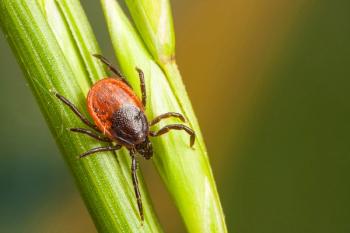
From saliva to hunting strategies, ticks use a range of tactics that affect how quickly they can spread disease.

An evidence-based lecture at the 2025 AVMA Convention broke down study findings on various strain-specific probiotics in veterinary medicine.

With small companion animal parasite resistance being an increasing fear, how can professionals tell the difference between resistance and reinfection?

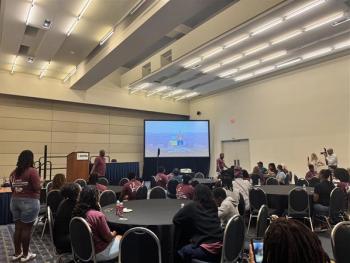
A group of volunteers led by Vernard Hodges, DVM; and Terrence Ferguson, DVM, will educate students in the Washington, DC, area on what it means to be a veterinary professional.

Jeba Jesudoss Chelladurai, PhD, BVSc, MS, DACVM (Parasitology; Immunology), emphasizes the importance of individual case assessments for anthelmintic resistance, particularly in canine hookworms.

Megan Leavey took the stage at the 2025 AVMA Convention to talk about her life as a K9 handler in the armed forces, and her fight to adopt the dog she worked with

Jennifer K. Quammen, DVM, MPH won against Mary Ergen, DVM, to lead the American Veterinary Medical Association

Plus, the role technicians can play in owner compliance for preventive care

An overview of heartworm disease from a session by Christopher B Adolph, DVM, MS, DACVM (Parasitology) at the 2025 AVMA Convention

Christman shares how he got into media, his ‘why,’ and offers advice to veterinarians or students wishing to become involved in media.

Melissa Evans, LVT, CVT, VTS (ECC), educated veterinary technicians how to speak up and out for themselves and their patients during her lecture at the 2025 AVMA Convention