


News|Videos|September 14, 2026
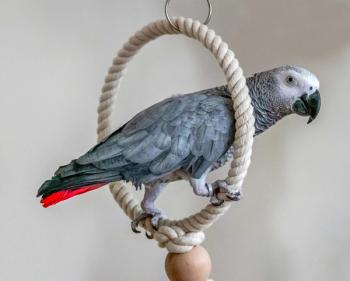
Understanding feather loss, vocalization and other parrot behavior problems
Valli Parthasarathy, DVM, PhD, DACVB, discusses how veterinarians can evaluate feather loss, self-mutilation, and vocalization in pet parrots and identify when medical and behavioral factors may overlap.
Advertisement
Advertisement
When a parrot vocalizes excessively, plucks its feathers, or exhibits aggression towards the people it lives with, is the underlying cause medical, behavioral, or both? In this interview following her AVMA session on psittacine behavior problems, Valli Parthasarathy, DVM, PhD, DACVB, of Synergy Veterinary Behavior in Portland, Oregon, unpacks the behavior problems she sees most often in pet parrots and how clinicians can get to the root of them.
She discusses clues that can help distinguish medical causes from behavioral ones, including why feather loss in areas a bird cannot reach could point to an underlying medical issue rather than self-plucking, how open wounds or sores from self-mutilation can make a case both medical and behavioral, and why seemingly excessive vocalization may simply be a bird contact-calling the caregivers who make up its flock.
Below is a partial transcript, lightly edited for clarity.
dvm360: What are the most common behavior problems you see in pet parrots?
Parthasarathy: The most common behavior problems that I see are aggression—parrots that are either aggressive, oftentimes to their people, sometimes parrots who are aggressive to other parrots as well—excessive vocalization, so screaming, destructive behavior, and I also see feather destructive behavior as well. Oftentimes, the primary veterinarians see a lot of feather destructive behavior before I do, so the cases that come to me tend to be ones that have a more specific behavior presentation.
dvm360: So, when a parrot presents with some of these behavior issues, maybe feather picking or self-mutilation, how do you determine whether the underlying cause is medical, behavioral, or both?
Parthasarathy: It'll first start off with a good evaluation by the primary veterinarian. What I would always recommend is having an evaluation looking for physical discomfort, pain, any organ changes in function, run blood work, do imaging if necessary or indicated, getting a history from the clients to find out if there have been any changes in mobility or activity recently as well, and then also getting skin and feather biopsies, making sure that there are no obvious pathogens or histological changes that could be contributing to why this bird is doing it.
Sometimes it's evident in terms of the patterning of the destructive behavior...
Advertisement
Related Content
Advertisement


Latest CE















Advertisement
Advertisement
Trending on dvm360
1
Texas couple sentenced for selling smuggled veterinary drugs and pesticides
2
American Regent recalls 3 lots of epinephrine injection over particulate matter and cracked vials
3
New iCatCare guidelines update feline chronic kidney disease care
4
PCR fecal testing detects Echinococcus in Pennsylvania wild canids
5