






Parasitology
Latest News
Advertisement
Latest Videos


CE Content






















Advertisement
More News
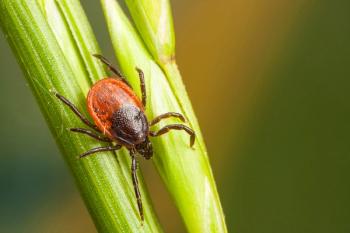
From saliva to hunting strategies, ticks use a range of tactics that affect how quickly they can spread disease.

With small companion animal parasite resistance being an increasing fear, how can professionals tell the difference between resistance and reinfection?
Jeba Jesudoss Chelladurai, PhD, BVSc, MS, DACVM (Parasitology; Immunology), emphasizes the importance of individual case assessments for anthelmintic resistance, particularly in canine hookworms.

Megan Leavey took the stage at the 2025 AVMA Convention to talk about her life as a K9 handler in the armed forces, and her fight to adopt the dog she worked with
An overview of heartworm disease from a session by Christopher B Adolph, DVM, MS, DACVM (Parasitology) at the 2025 AVMA Convention

First long-acting flea and tick treatment is FDA-approved for dogs
Published: | Updated:
Fluralaner for extended-release injectable suspension (Bravecto Quantum) is also indicated for treatment of lone star tick in dogs.
A session at the 2025 ACVIM Forum covered cases of echinococcus multilocularis and its expanding presence in North America, highlighting the One Health risks for both veterinary and human populations.

Veterinary teams can help clients protect their pets from heartworm disease by offering compassionate guidance and affordable solutions, including safe and effective generic alternatives.

Debunk these common heartworm disease misconceptions with Peter C. Hann, DVM

Understanding how the spectrum of care approach puts the needs of the pet owner and pet at the forefront, supporting a more holistic approach of parasite protection compliance.

With CAPC’s county-level forecasting, veterinary teams can tailor their conversations, helping pet owners see the risks in their own backyards—and take action.

Recent research suggests that Ixodes scapularis and Ixodes pacificus may also trigger alpha-gal syndrome, broadening the geographic risk for this potentially life-threatening meat allergy.

Kathryn E. Reif, MSPH, PhD, explains the adoption of endectocide-based protocols for true “one-and-done” protection

The conference’s 2 keynote sessions feature career inspiration and clinical insights to put into practice
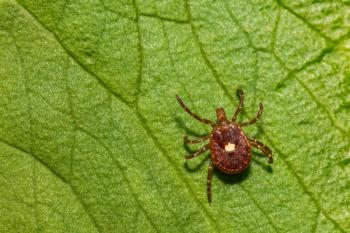
“Some tick species even thrive when it's cooler or colder...and actually hibernate when it gets too warm outside,” Kathryn E. Reif, PhD, MSPH, said during her Fetch dvm360 Conference session in Nashville, Tennessee.
Kathryn E. Reif, MSPH, PhD, explains why CAPC prevalence maps and tick species awareness can guide veterinarians in choosing the most appropriate parasite control products based on local and travel-related exposure.
Kathryn E. Rief, MSPH, PhD, discusses how lotilaner’s systemic distribution and consistent efficacy throughout the dosing period make it a reliable option for targeting ticks, including the lone star tick, before pathogen transmission occurs.

Amid a surge to more than 1400 confirmed New World screwworm cases in Mexico and an immediate US suspension of live cattle imports, Christopher Lee, DVM, MPH, DACVPM, warns this parasitic fly could breach the southern border by year’s end, posing serious risks to livestock, pets, wildlife, and even human health.

Learn more on heartworm in feline patients, plus what has been updated in the American Heartworm Society guidelines on this episode of The Vet Blast Podcast, presented by dvm360.

The agreement also ensures ports remain open to livestock imports

Zoetis launched the campaign following updated American Association of Equine Practitioners Internal Parasite Control Guidelines that emphasize growing anthelmintic resistance

The economic impact is estimated to surpass $600 million in honey production, pollination income, and costs to replace colonies

This year’s forecast highlights expanding risk of Lyme, Heartworm, Anaplasmosis, and Ehrlichiosis based on 10 million diagnostics tests reported every year

Understanding this parasitic fly larva and the risk it may pose is the first step for preventing infestation
Advertisement
Advertisement