



















A reader writes in concerning a few more wildlife zoonoses practitioners should be aware of.
A reader writes in concerning a few more wildlife zoonoses practitioners should be aware of.
A comprehensive overview of tick-transmitted infectious diseases. (1 CE credit)
A national overview of parasites and the danger they pose to companion animals. (1 CE credit)

Why you should be concerned about this parasitic disease, no matter where you live.
Lenexa, Kan. -- CEVA is buying a majority share in Summit VetPharm.
Since its eradication in 1988, the United States is beginning to see more cases of equine piroplasmosis, a blood-borne parasitic disease.
Don't let clients throw in the towel when it comes to learning a new skill.
Monthly flea control products can prevent flea-borne Bartonella species infections in cats and, possibly, subsequent spread to owners.
A tip to help fecal samples smell a little better.
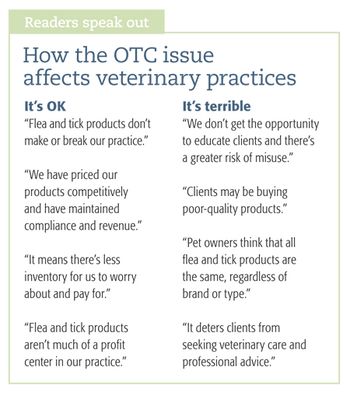
Flea and tick products have gone over the counter. How will that affect your patients and practice?
Bartonella species is a new and emerging bacterial pathogen for veterinarians.
Although we have known the importance of internal parasites in cattle for many years, we still face an endless battle to control these organisms. Parasites are the ultimate "survivor". Parasites realize that their survival is dependent on not killing their host. As a result, they have adapted as their hosts (cattle) are exposed to different management practices (including parasiticide products and pasture management practices).
The premise of this presentation is that feline medicine is good business. The keys to tapping into this market are several: understanding the significance of the feline market in your practice today and its future potential, understanding the psyche of the feline client and recognizing the different psychographic profile of cat vs. dog owners, using preventative medicine, specifically feline total parasite control, as a tool to practice better feline medicine, and, ultimately, realizing an increased feline average per client charge by practicing a higher quality feline medicine.
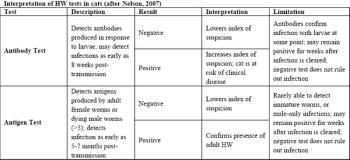
The cat is considered a resistant, yet susceptible host for Dirofilaria immitis. Worm burdens are much lower in cats than in dogs (average 15 worms in dogs and 1-3 in cats in endemic areas) and about 1/3 of feline infections involve worms of the same sex. Feline heartworm (HW) was first described in the 1920s; awareness has increased greatly since the introduction of Heartgard for cats in 1997 and the associated marketing campaign. Feline HW remains a difficult to diagnose, yet fully preventable disease.
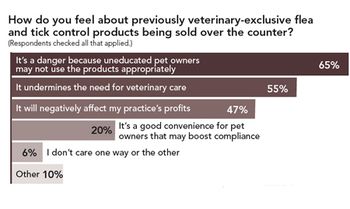
Many veterinary practices are worried about parasite product sales slipping, thanks to some products going over the counter. So, is this a good thing or a bad thing? Depends on who you ask.
St. Joseph, Mo. -- Boehringer Ingelheim introduced its new canine Lyme disease vaccine to the veterinary market today during a live webcast.

Dr. Kevin Kazacos discusses what zoonotic diseases children can contract from wild rabbit feces and urine.
Your clients trust your expertise, so show them why they should buy flea-and-tick products from your practice.
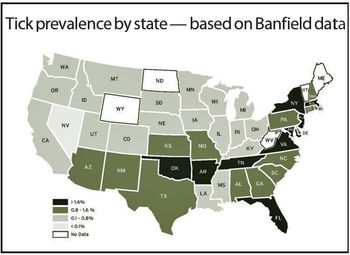
Portland, Ore. - New surveillance data compiled by experts at Banfield, The Pet Hospital reveal prevalence trends for internal and external parasite infections and hammer home the need for veterinarians to remain vigilant about promoting preventive care to clients.
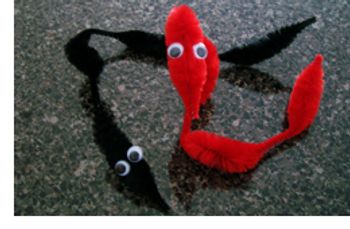
Use pipe cleaners to promote heartworm prevention.
Empower your veterinary technicians to take over this valuable profit center and help your practice grow.
Fort Collins, Colo. -- Cooler-than-normal spring temperatures are just one factor that could contribute to possible increased cases of West Nile virus this year.

This online course provides an in-depth review of published studies demonstrating that dogs are at risk of various vector-borne infections. (0.5 CE credits)
Although not yet endemic in the United States, more cases of this parasitic--and potentially zoonotic--disease are being seen. Are you ready to handle affected dogs?
Are your clients withholding information crucial to preventing zoonotic diseases? Use this form to dig deeper and find the truth.