
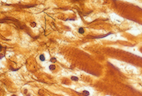
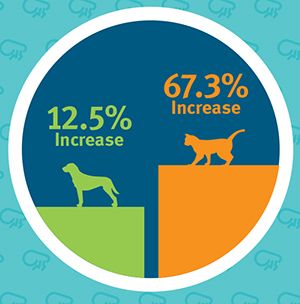
























Investigators found that over a 6-year period the number of babesiosis cases decreased as the number of canine veterinary visits rose.
Investigators found that over a 6-year period the number of babesiosis cases decreased as the number of canine veterinary visits rose.

A veterinarian recommending only natural flea and tick prevention is reported to her state board. Will her approach be deemed negligent or merely incomplete?

Did you miss any important veterinary medicine news last month? These were the 5 most popular articles from August.

Is topical fluralaner effective in controlling Ixodes holocyclus infestations in cats?

Help enforce the importance of parasite prevention for new kitten owners with this printable handout.

Centragard, which prevents infection with heartworms, roundworms, hookworms, and tapeworms in cats and kittens, is now available.

A new study confirms the efficacy of Bravecto in providing 12 weeks of protection against flea infestations in both cats and dogs.
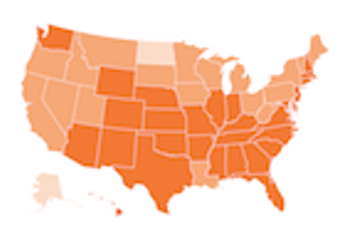
Factors including motivation, population, and sample size have an impact on CAPC’s prevalence maps for parasitic diseases such as heartworm, Lyme disease, and ehrlichiosis.

Add some oomph to your heartworm prevention conversations with these tips.

The FDA is calling on the public to help determine how animal drug sponsors can better demonstrate the effectiveness of new canine heartworm preventives.

A new study reveals that heartworm disease is more prevalent in shelter dogs than in pet dogs in Mississippi. How can this knowledge improve management decisions around this disease in shelters?
In an effort to help sustain bee populations, buzz buffs could unintentionally do harm since these social insects can transmit disease with devastating results.

Toxoplasmosis has emerged as the leading cause of disease-related deaths in Hawaiian monk seals, one of the country’s most endangered mammals.

Within one year, compliance for heartworm and flea and tick preventives at our veterinary practice went from 39 to 62 percent.

By enlisting the public’s help, ecologists now have a better understanding of the risk of tickborne disease across the country.

Determining the cause of blood in the urine requires an organized method that includes a careful history, urinalysis, and more.

The chewable tablet is now FDA approved for the prevention of Borrelia burgdorferi infections.

Residential lawn care companies heavily advertise treatments purporting to keep fleas and ticks at bay this time of yearbut do they work, and are they safe for your veterinary patients?

Scientists have long been searching for effective methods to prevent debilitating or deadly vector-borne diseases in humans around the world. Now, a new study suggests that veterinary parasiticides may be what they have been looking for all along.

A veterinary research group at OSU has confirmed the existence of an exotic tick that has been previously reported in New Jersey, Virginia, and West Virginia.

Companies heavily advertise their flea- and tick-repelling sprays this time of year. Are your clients buying the hype?

What do a scientist, a showman, a saver and a conspiracy theorist have in common? Theyre all roles you can play when educating veterinary clients about perils of parasites.
Recent advances such as chimeritope technology could potentially be used to develop vaccines against other tickborne diseases as well.
Did you miss any important news last month? These were the 5 most popular articles from June.

Heres our regular roundup of new and noteworthy veterinary products.