




Nutrition
Latest News
Advertisement
Latest Videos
CE Content
























Advertisement
More News

Recent research on necessary precautions when feeding dogs this diet

This podcast will discuss the clinical use of mushrooms in veterinary species for cancer (turkey tail, Reishi, maitake, shiitake mushrooms and chaga); vaccine titer immune competence (oyster mushroom); support of the CKD patient (cordyceps mushroom); Canine Cognitive Disorder (Lion’s Mane mushroom), and Microbiome support (all mushrooms).
The $2 million fund will create new diagnostic and nutritional tools

The latest pet food options to have on your radar

Promotes pets’ health and wellness while being environmentally friendly

In this interview, Fetch Charlotte faculty member Dr Laura Gaylord offers insight from a veterinary nutritionist's perspective

A veterinary nutritionist discusses what to know regarding this fast-growing trend
In this interview, Fetch Charlotte faculty member Dr Laura Gaylord sheds light on this hot topic that was the focus of her lecture
And how to help inform clients to successfully feed their pets this way

In this interview, Fetch Charlotte faculty member Dr Laura Gaylord explains what fresh pet foods are and their pros and cons

The tennis superstar, along with other famous athletes, is challenging dog owners across the United States to be more active for a good cause
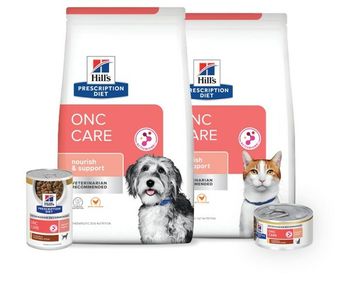
The new diet will help support and nourish veterinary oncology patients

New research finds dogs can thrive long-term on vegan kibble, a healthy option while addressing environmental concerns

Veterinarian offers insight on reading a pet food label, maintaining a healthy body weight, and more


A new veterinary clinic obesity prevalence survey aims to collect data
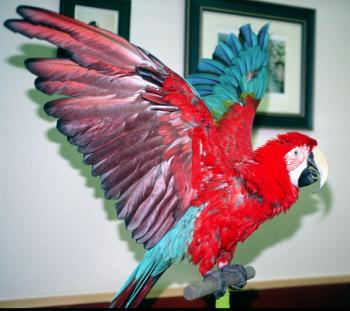
Educate bird owners about common nutrition misconceptions to prevent disease

The deadline for submissions is March 31, 2023.
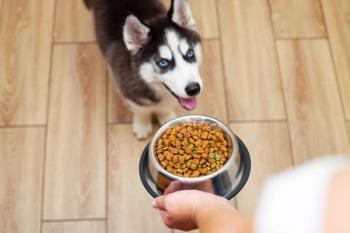
Hill’s annual 'End Pet Obesity' campaign provides pet parents free resources to help them achieve and maintain a healthy weight for their pets

Learn how to approach the difficult discussion of pet weight management with clients
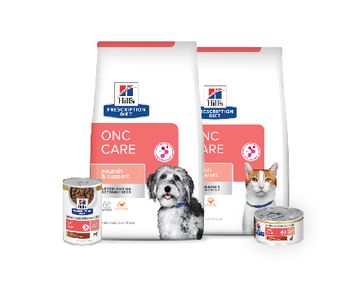
Prescription Diet ONC Care aims to help combat inappetence and provide high-quality nutrition for feline and canine oncology patients

During a dvm360® interview, Martha Cline, DVM, DACVIM (Nutrition), outlines her strategy for when faced with this condition
We have compiled a countdown of our top 20 articles in 2022, here is number 17
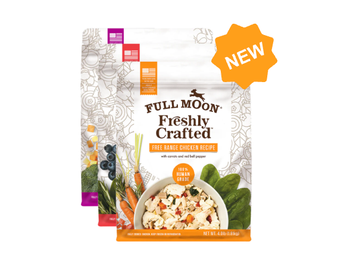
Human-grade frozen meals offer pet parents nutritious options for their companion animals

Our gamified CE program returns to Fetch dvm360® in San Diego, California
Advertisement
Advertisement
Trending on dvm360
1
Wisconsin EHD outbreak expands as deer deaths climb and virus detected in dairy cattle
2
AAVMC and Chewy Health open nominations for 2027 veterinary student leadership scholarships
3
Outpatient surgery for animals with pyometra provides good outcome for dogs and cats
4
Q&A: What veterinary teams need to know about effective patient triage
5