



















Please review management of difficult-to-regulate diabetic cats.
Please review management of difficult-to-regulate diabetic cats.
A team-wide effort to recommend-and sell-a certain diet increases pet owners' compliance rates and improves your patients' health.
Lynchburg, Va. -- PetSmart voluntarily pulled some pet treats off its shelves after a peanut-containing paste was linked to a recent Salmonella typhimurium outbreak.
This might be an ideal time of year to talk to pet owners about pursuing a healthier lifestyle for their companions.
Our efforts to halt the growing obesity problem appear to have had little effect.
Developing a feeding plan early for your hospitalized patients can significantly increase the likelihood for recovery.
Used correctly, food is an excellent primary reinforcer - not a bribe.
Kara answers questions about dental health

Dogs and cats are often observed eating grass and other plants of no apparent value.
Washington, D.C. - An FDA-ordered ban of extra-label use of cephalosporin antimicrobial drugs was delayed after nearly 300 comments poured in during an extended period.
Dr. William Fortney describes why feeding senior diets to healthy older animals is beneficial.
Be sure to fully cook your food before eating that frozen meal.
As in dogs, obesity may contribute to osteoarthritis or the clinical manifestations of osteoarthritis in cats.
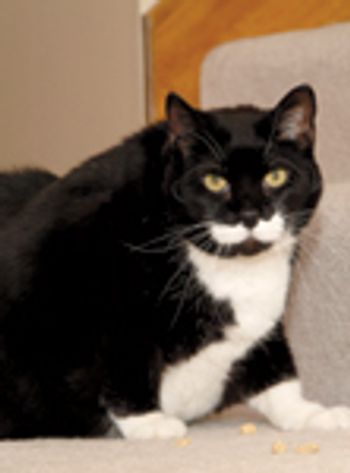
Kara answers questions about weight issues
It takes a compassionate approach to get clients to comply with diet and exercise recommendations.
Start fighting obesity the minute an overweight pet waddles in the practice door.
Nutrition is the process by which birds and all other animals consume food items and utilize it in the body for growth, tissue replacement or repair and the continuance of life.
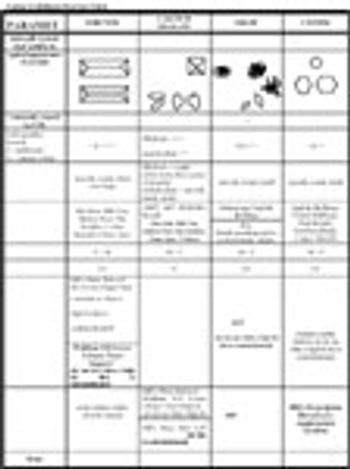
During the past three decades, a tremendous amount of information has been generated regarding the etiology, detection, treatment, and prevention of canine urolithiasis.
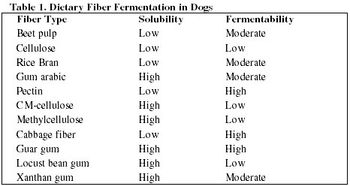
The gastrointestinal tract (GIT) in dogs and cats is a very dynamic organ that performs numerous functions essential for health and well-being.

Urine concentrating ability is impaired when 66% of nephrons are no longer functioning, and azotemia develops when 75% of nephrons are no longer functioning.

It is estimated that 24% to 44% of dogs and cats in the United States are overweight.
Chronic renal failure (CRF) is the most common form of renal disease in dogs and cats, and it is generally considered a progressive and irreversible disease.
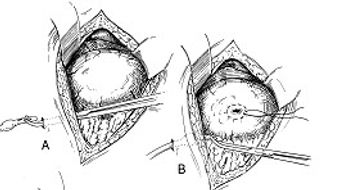
Nutritional support is required for anorexic patients, debilitated patients, patients in a high catabolic stage (peritonitis, sepsis, burns), or stressed patients (surgical patient).
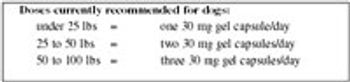
Knowledge about management of heart disease in Veterinary Medicine has grown tremendously in the last two decades.
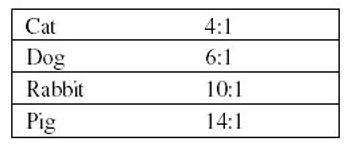
Obesity is the number one nutritional disorder in pets in the western world. Twenty five percent of cats seen by veterinarians in the USA and Canada are overweight or obese.