

















A recent double-blind study compares the performance of three commercial veterinary diets during in-home management of clinical signs in atopic dogs. Also included-Case study-"Cindy"
A recent double-blind study compares the performance of three commercial veterinary diets during in-home management of clinical signs in atopic dogs. Also included-Case study-"Cindy"

New York - The AKC Humane Fund and Pfizer Animal health organized a new informational Web site at www.stopcanineobesity.com.
Washington - The Reportable Food Registry, which the federal Food and Drug Administration (FDA) was to implement by Sept. 27 as a means of providing earlier warning of possibly tainted human or animal food products, will be delayed under the agency's discretionary power until the spring of 2009, the FDA announced.
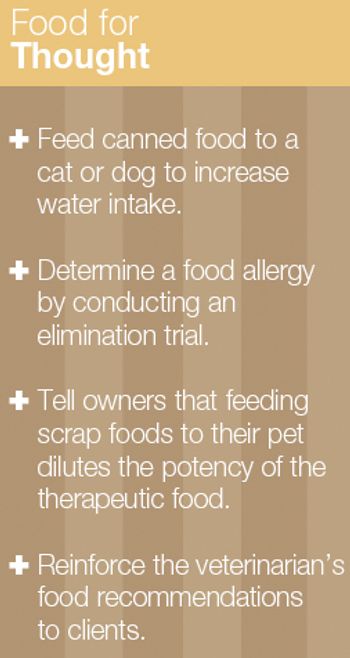
Kara answers questions about the minced diet.
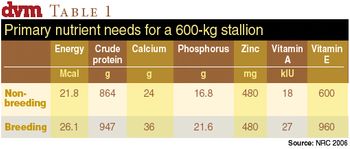
Obesity may be Enemy No. 1 when it comes to a stallion's libido and fertility during the breeding season - a key reason for equine practitioners to counsel their clients on proper equine nutrition, experts say.
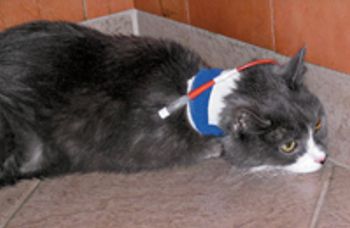
Nutritional needs often play a secondary role to medical and surgical intervention. Critically ill veterinary patients are at high risk for malnutrition because of physical impediments, as well as physiologic and metabolic abnormalities. Protein and/or calorie malnutrition results in decreased immune competence, decreased tissue synthesis, increased protein degradation (especially that of the lymphatic system), altered drug metabolism and is known to increase morbidity and mortality in human patients. Although veterinary studies are lacking, it is generally accepted that early enteral nutrition decreases complications from malnutrition.

Kara answers questions about food allergies
Camden, N.J. - Another chapter in the lengthy pet-food recall saga is drawing to a close with the reported settlement of more than 100 class-action lawsuits brought on behalf of pet owners in the United States and Canada.
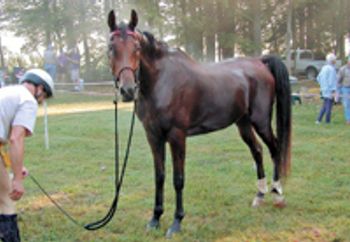
The International League for the Protection of Horses (ILPH), based in Norfolk, England, has long dealt primarily with cases of neglected and starved horses, but now there is a newer issue facing this organization.
Camden, N.J. - 4/3/08 - Another chapter in the lengthy pet-food recall saga is drawing to a close with the reported settlement of more than 100 class-action lawsuits brought on behalf of pet owners in the United States and Canada.
We see it every day: fat cats, fat dogs, fatter cats and fatter dogs.
The petfood contamination and recall incident in 2007 was a learning experience, for the government, the petfood industry, pet owners and veterinarians.
The massive amount of information and misinformation about petfoods on the World Wide Web, in books and publications, and elsewhere has led to considerable concern and confusion by the pet owning public.
The history of commercial petfoods is relatively short.
Petfood labels are regulated at both the federal and state levels.
The trend in the media, on web sites, and other sources of information on the topic of human nutrition to identify particular foods as "good" or "bad" is confusing at best.
The United States petfood market has been estimated to be over 18 billion dollars annually.
Passage of the Dietary Supplement Health and Education Act of 1994 (DSHEA) dramatically changed the market for both human and pet supplement products.
Proper nutrition for companion avian species has long been and still is a central focus of avian veterinarians and aviculturists.
The fat feline is a problem all practitioners face.
But you'll need the owners in your corner.
The 2-pound Yorkie was carrying a huge mountain oyster. It was hanging out both sides of his mouth, and he was proud as a peacock.
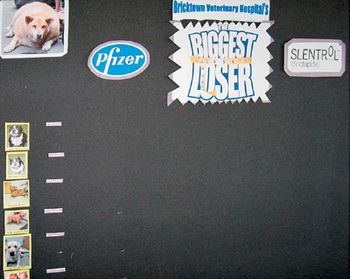
We have adapted NBC's hit reality show "The Biggest Loser" for our canine patients.

Almost everyone struggles at some point to keep his or her pets' at a healthy weight. I know how important it is. And still, we've had to fight hard to win the battle of the bulge.

Rockville, Md. - She wants to build collaborations, share ideas in a transparent system with one over-arching ethos: ensure public health.