In this interview, Joya Griffin, DVM, DACVD, practicing dermatologist with the Animal Dermatology Group in Louisville, Kentucky and star of the National Geographic Wild television series Pop Goes the Vet with Dr Joya, talks about her lecture Treating the Itch That Won’t Quit: Diagnostic Approach to the Pruritic Pet. Griffin shares some of the diseases that cause pruritus, such as flea allergies and food hypersensitivity.
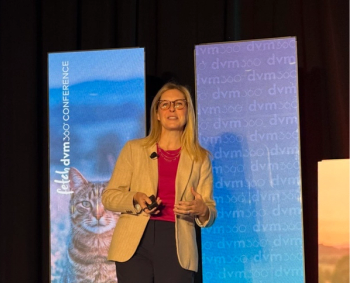
As the Day 2 keynote speaker at this year's Fetch Charlotte conference, taking place March 14-16, Griffin also previews the focus of her session, Extreme Makeover: Derm Edition!, in which she will talk about her journey to veterinary dermatology, and more.
Below is the interview transcript:
Joya Griffin, DVM, DACVD: So my lecture, ‘The approach to the pruritic pet’ really is focusing on how to gain a clear history on these itchy dogs and cats, and how to start our diagnostic protocol, so that we can actually get a true diagnosis as to what's causing the itch.
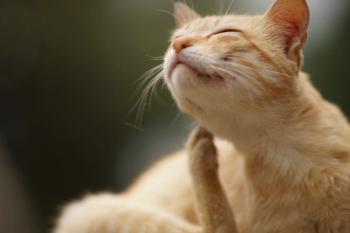
Some of the diseases that we see that cause pruritus include food hypersensitivity, ectoparasites like flea allergy and scabies. Secondary infections can also cause itching, and all of these things can complicate our true diagnosis, especially when we're trying to treat a dog or a cat with allergic disease and ultimately, atopic dermatitis.
I'm really excited about this year's Fetch, because I get to do a keynote, and in my keynote, I'm going to talk about my journey to veterinary dermatology and how I love making the extreme makeovers in my patients and being able to improve their quality of life and how they look and feel. So hopefully you tune in and it's an enjoyable, fun session and tells you a little bit about me and who I am and how I got to where I am.