




























Knowledge about management of heart disease in Veterinary Medicine has grown tremendously in the last two decades.
Knowledge about management of heart disease in Veterinary Medicine has grown tremendously in the last two decades.

Hypertension is often subclinical initially, and as the blood pressure increases, clinical signs may occur both due to the hypertension itself, or be linked to frequently associated medical conditions.
Determine age, breed, and sex of the patient to help formulate a rule-out list and help to determine prognosis.
Within the body, the cardiovascular system is responsible for maintaining normal arterial blood pressure, normal blood flow to the tissues, and normal venous and capillary pressures.
Q: Please provide an updated review on exercise-induced collapse in Labrador Retrievers.
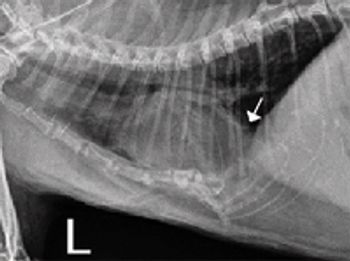
This condition often goes unnoticed for years, and many cases are discovered incidentally on radiographs.
At our hospital, we perform few exotic or pocket pet surgeries, but when we do, we have struggled with monitoring these patients' heart rates.
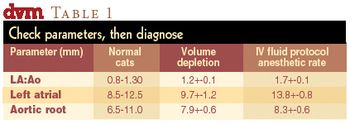
In a recent article (The Effect of Hydration Status on the Echocardiographic Measurements of Normal Cats, by Campbell, F.E. & Kittleson, M.D. J Vet Intern Med 2007), the authors examined the effect of hydration status on echocardio-graphic findings in normal cats.
St. Joseph, Mo. -- A three-year global canine cardiology study funded by Boehringer Ingelheim Animal Health that could reveal new information about congestive heart failure treatments has concluded.
A study examines how these drugs compare in managing dogs with congestive heart failure.
This session will deal with case examples where blood pressure measurement is indicated.
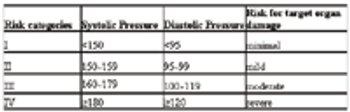
Blood pressure measurement is often not a routine part of small animal practice.
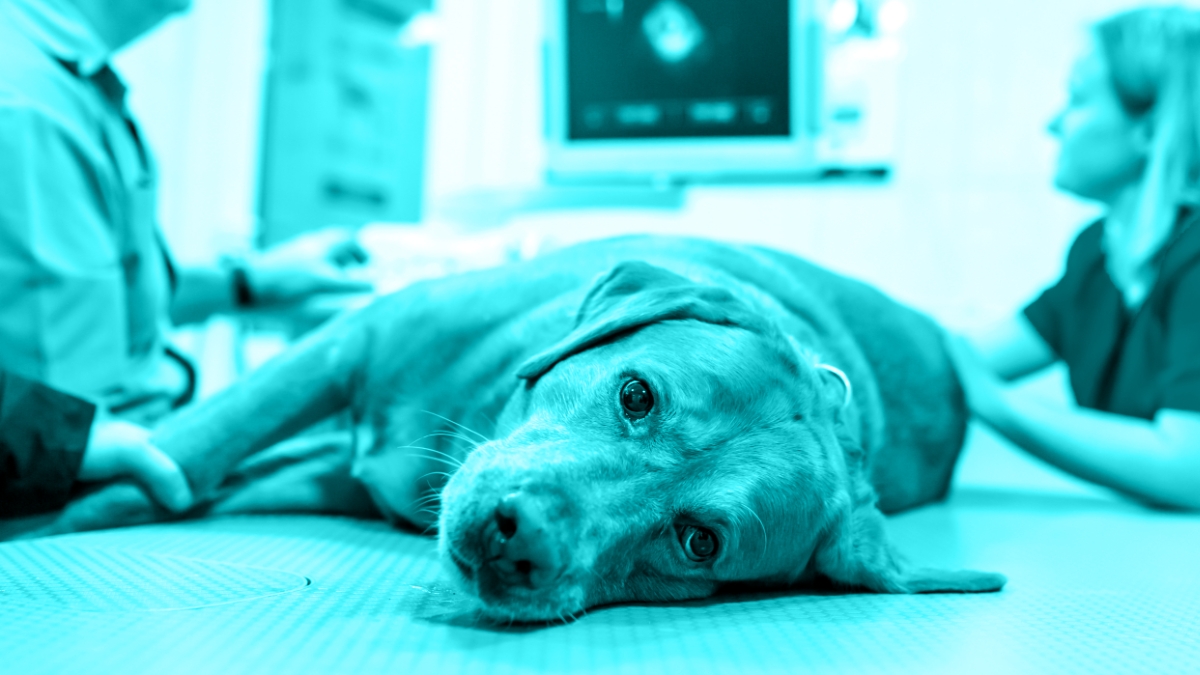
Lawndale, Calif. - Treating heart disease in companion animals is an ever-evolving science. And, especially for the aging U.S. pet population, the risks for heart disease increase.
Lakewood, Colo. - A new online registry gives breeders and pet owners a new tool to determine whether their dogs and cats are free of congenital and adult-onset heart disease.
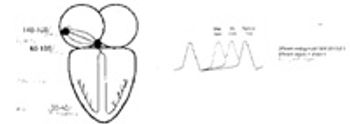
The electrocardiogram (ECG) is a record of the average electrical potential generated in the heart muscle at the body's surface.

Blood pressure is determined by total peripheral resistance (vascular tone) and cardiac output.
Differentiating between congestive heart failure and respiratory disease as the cause of acute dyspnea in dogs and cats is one of the most difficult case scenarios facing veterinary clinicians.
Congenital heart diseases are an important cause of morbidity and mortality in pediatric veterinary patients. The incidence of such defects is listed below.
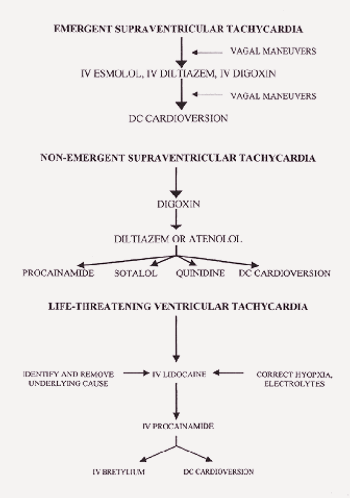
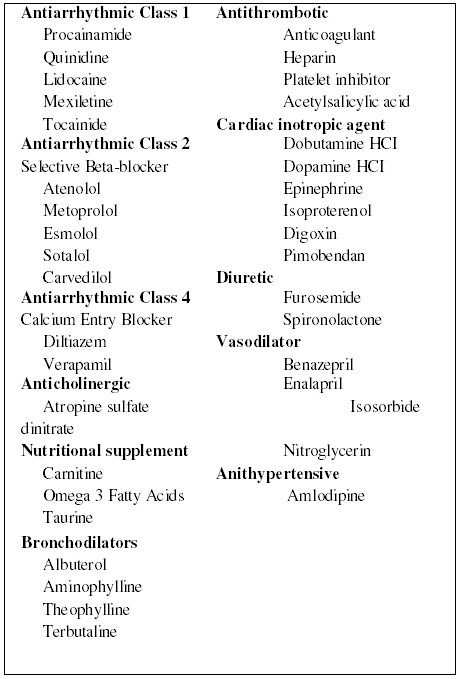
In veterinary medicine pharmacologic treatment to control or convert arrhythmias is the most common method employed.
Early descriptions of heart failure focused on the syndrome of congestion, an excess of the wet or melancholic humors, "dropsy," or "backward" failure.
Syncope is the sudden temporary loss of consciousness that is associated with loss of postural tone as a result of an abrupt decrease in cerebral perfusion or decreased delivery of essential nutrients (i.e. glucose) to the brain.
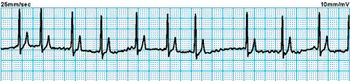
Cardiomyopathy in dogs encompasses a wide spectrum of diseases, ranging from systolic and diastolic dysfunction to various arrhythmias.
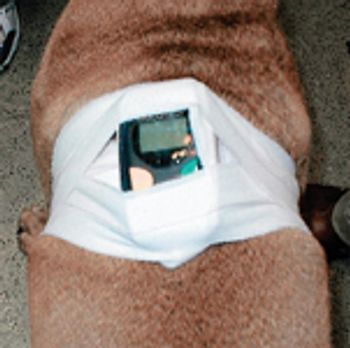
The utility of Holter recording lies in the ability to continuously examine the heart rate and rhythm over 24 to 48 hours.
Baton Rouge - 11/14/07 - The first-time procedure for professors in the Louisiana State University School of Veterinary Medicine (LSU) has saved the life of a colleague's German Shepherd that had been suffering from congestive heart failure.
Editors' note: This article is an updated excerpt from "Pimobendan: Understanding its cardiac effects in dogs with myocardial disease," which appeared in Veterinary Medicine's October 2006 issue.