

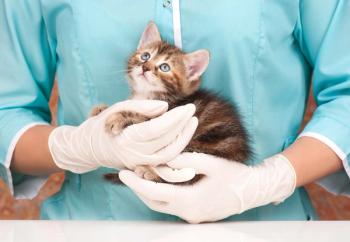
New CATalyst Council data show cat visits growing for a third straight year. The bigger question for practices may be how many new kittens are still coming in as they age.
New CATalyst Council data show cat visits growing for a third straight year. The bigger question for practices may be how many new kittens are still coming in as they age.
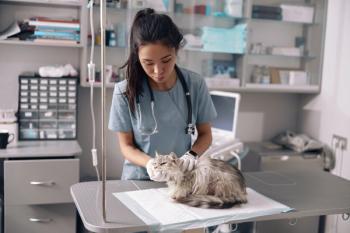
In a voluntary dvm360 survey of 146 veterinary professionals, nearly 3 in 4 reported moderate or severe burnout, with administrative burden, workload, and staffing shortages among the most frequently cited stressors. Written responses raised concerns about compensation, client behavior, and revenue-driven appointment quotas.

Scripts for confident client conversations

In an interview with dvm360 at the 2026 Fetch National Harbor Veterinary Conference, a veterinary oncologist and a veterinary social worker explained how the role supports owners and staff through a difficult patient diagnosis, treatment, and end-of-life care.

Caroline Cox, LSW, MSW, and Erika Krick, VMD, DACVIM (Oncology), discuss the role of veterinary social workers in supporting clients, communicating with veterinary teams, and helping practices address the human side of veterinary care in this Q&A from an interview at the 2026 Fetch National Harbor Veterinary Conference.
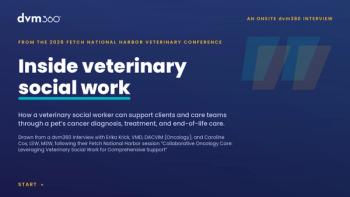
In a slideshow drawn from an on-site dvm360 interview at the 2026 Fetch National Harbor Veterinary Conference, a veterinary oncologist and a veterinary social worker walk through how the role supports owners and staff across a pet's cancer diagnosis, treatment, and end-of-life care.

Effective arthritis conversations can help veterinary teams identify problems earlier, set realistic expectations, and partner with clients on long-term management.

These examples for saying no can help veterinary professionals set clear boundaries, decline requests without over-explaining, and avoid reopening the conversation.

Anita Patel, DVM, discusses why acknowledging uncertainty, welcoming feedback, and leading with vulnerability can help veterinary leaders build trust, strengthen accountability, and encourage team members to contribute new ideas.
Anita Patel, DVM, explains why transparency, constructive feedback, and solution-oriented thinking can help veterinary teams influence organizational decisions and improve practice operations.
Professional transitions are inevitable, and the key is understanding how to mitigate risk when navigating these transitions.
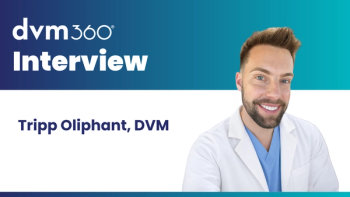
Tripp Oliphant, DVM, discusses how an inclusive hospital culture affected his early career as a veterinarian and why creating an environment where team members feel accepted can support professional development.
Anita Patel, DVM, senior director of clinical excellence at IndeVets, discusses the challenges of navigating organizational change, from aligning values and goals to supporting teams through periods of transition.

Scripts for confident client conversations from a veterinary communications solutions consultant.

Your team isn't the problem, but your culture might be.
Tripp Oliphant, DVM, shares why authentic inclusion means moving beyond buzzwords and taking action.

Artificial intelligence is providing opportunities for anyone to enhance their veterinary practices.

Clinicians are often asked to take on sick patients, despite a full schedule of appointments.

Mixlab and Instinct are collaborating to assist veterinarians with prescription ordering and workflow efficiency.

Historically one of the most satisfied groups in the profession, relief veterinarians are now experiencing a notable rise in burnout, raising new questions about how well we are navigating financial, administrative, and structural pressures.

Several articles focusing on sustainability and environmentally friendly actions are featured, as well as a bonus video on eco-conscious anesthesia practices.
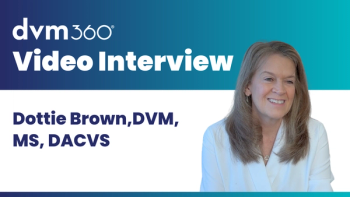
Dottie Brown, DVM, MS, DACVS, discussed a couple of ways that Mars Veterinary Health practices sustainability throughout its network of veterinary clinics and hospitals, in a dvm360 interview.

Are your technological tools 'talking' with each other?

Krista Seraydar, DVM, describes how Chewy Vet Care’s staffing, workflow, and digital tools are designed to support clinicians, streamline care, and improve the client experience.

When a pet owner places a part of their body in front of their animal during an exam, they risk injury. And you risk liability for allowing them to plant themselves within reach of teeth or claws.

In this interview with dvm360, Lydia Love, DVM, DACVAA, shares practice safety tips, including building psychological safety and using checklists to trap errors in veterinary teams.

Scripts for confident conversation.
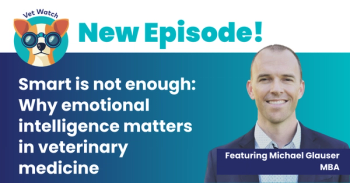
This episode of Vet Watch covers what real leadership is, core emotional intelligence skills, managing difficult clients and team dynamics, and how leaders can better support their staff.
Annie Valuska, PhD, provides an overview of the Ease program supported by Purina.