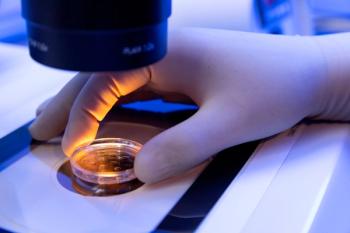
Preclinical testing at The Ohio State University found Telomir-Zn inhibited growth of canine and human osteosarcoma cell lines, prompting the company to explore a possible in-vivo study in dogs with naturally occurring tumors.
Last year's drought cost agriculture $7.6 billion in losses, making it the most expensive drought in history.
AUSTIN, TEXAS — Last year's drought cost agriculture $7.6 billion in losses, making it the most expensive drought in history.
That's according to the Texas AgriLife Extension Service after amending its previous price tag the 2011 drought's impact from the $5.2 billion to $7.62 billion.
The $7.62 billion loss includes $3.23 billion in livestock losses and $750 million in lost hay production value.
"Losses include the increased cost of feeding livestock due to the lack of pastures and ranges, and market losses," says AgriLife Extension livestock economist Dr. David Anderson. "Market losses include the impact of fewer pounds sold per calf and the impact of relatively lower market prices due to the large number of cattle sold in a very short time period."
Diminishing water supplies and a lack of local hay production in Texas throughout 2011 drove up the cost of feed and increased the cost of maintaining livestock herds, according to Texas AgriLife Extension. The result was massive culling and unprecedented runs at livestock sale rings.
The 2011 losses equal 43 percent of the average value of agricultural receipts over the last four years, and dwarf the previous drought loss record of $3.5 billion from 2006.