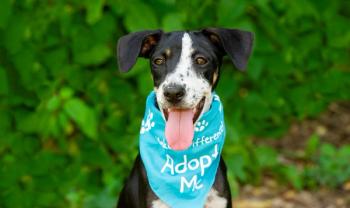
A survey of more than 26,000 adults in 14 countries found that many people are open to adopting a pet but hold back because of what they don't know about the animal's past.
Baton Rouge, La. - 2/25/08 - The Louisiana State University (LSU) School of Veterinary Medicine (SVM) will host its Small Animal Symposium in April that will focus on canine and feline infectious diseases.
Baton Rouge, La. - 2/25/08 - The Louisiana State University (LSU) School of Veterinary Medicine (SVM) will host its Small Animal Symposium in April that will focus on canine and feline infectious diseases.
Scheduled for April 27, the Pfizer Animal Health-sponsored meeting will feature speaker Dr. Edward Breitschwerdt, professor of internal medicine at the North Carolina State University College of Veterinary Medicine, who will discuss the molecular diagnosis of infectious diseases, persistent blood-borne infection, vector-borne infections and canine bartonellosis.
Canine ehrlichiosis, anaplasmosis, methicillin-resistant staphylococci, mycoses, canine leptospirosis, endocarditis, American trypanosomiasis and infectious disease cases will also be reviewed during the symposium, which will count as 8 hours of continuing education credit.
Featured LSU SVM speakers include Drs. Mark Acierno, assistant professor of companion animal medicine; Susan Eddlestone, assistant professor of veterinary medicine; Joseph Taboada, professor of veterinary medicine and associate dean for student and academic affairs; Amy Grooters, associate professor of companion animal medicine; and Keith Strickland, clinical associate professor of veterinary cardiology, among others.
Registrations received by April 23 are complimentary. An administrative fee of $25 will be charged for any registrations received after, or for those submitted on-site. To sign up, contact the LSU SVM at (225) 578-9900 or visit their