


Commentary|Videos|December 2, 2025
Improve your vaccine adverse event response with 3 practical tips
Fact checked by: Cheney Gazzam Baltz

Learn 3 essential vaccine management tips from Christopher Lee, DVM, MPH, DACVPM, DACVM (Parasitology), focusing on epinephrine use, hypersensitivity reactions, and optimal vaccine locations.
Advertisement
Advertisement
In this dvm360 interview, Christopher Lee, DVM, MPH, DACVPM, DACVM (Parasitology), shares 3 practical tips drawn from his sessions at the 2025 Fetch dvm360 Conference in Long Beach, California. Lee breaks down some of the most common pitfalls he sees in vaccine adverse event management, offering clear and actionable guidance for everyday practice.
Tip 1: Epinephrine for anaphylaxis
Lee: Vaccines save more lives than any other single thing that we do, and yet they can become scary, especially when you have an adverse event. There are several types [of adverse events from vaccinations], and it's always good to have a refresher on which type is which. One of the most common, and the one that we get so scared about, is anaphylaxis, which can lead to the death of a pet. Having spoken across the country and talked to many veterinarians, 9 out of 10 vets do not use the correct medication. They miss the most significant medication.... You have a dog with a swollen face, urticaria. Maybe they're in shock. You're worried that this is a life-threatening situation. It's most common for veterinarians to give Benadryl and [dexamethasone] and supportive care. And that's not wrong.... What is the thing that we carry if we have a risk of anaphylaxis? We carry an EpiPen. We don't have a little Dex pen. We don't have a little [Benadryl] pen. We have an EpiPen. And when you talk to immunologists, critical care people, what is the cornerstone medication? If you could give 1 medication, what would that be? It is epinephrine.
RELATED:
Tip 2: Know your hypersensitivity reactions
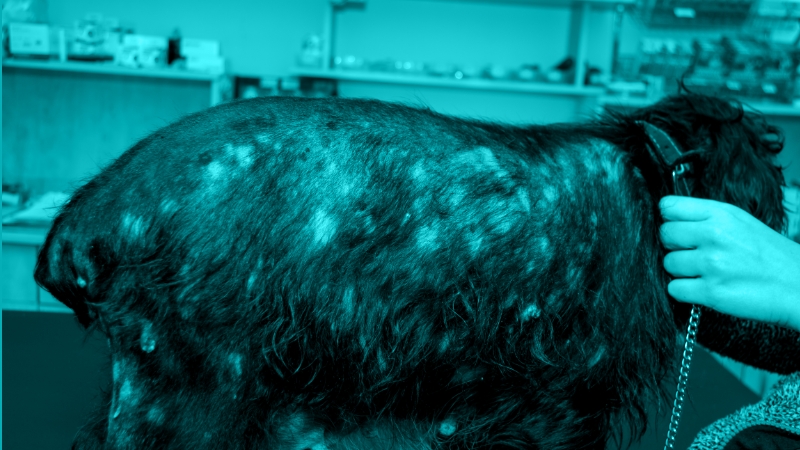
We need to be able to differentiate types 1 through 4. We see them all within practice. Type 1, of course, is anaphylaxis. Type 2 is the other really scary one: IMHA [immune-mediated hemolytic anemia] and IMTP [immune-mediated thrombocytopenia]. When we think of those, are they truly from vaccines? Type 3, we get those little bald spots secondary to some vaccines, and Type 4, we get lumps. So what we do for those and how we address and prevent each of them is remarkably different.
Tip 3: Vaccine location
Many years ago, we just gave all vaccines [in this group], and we learned the hard way about the errors of that with cats; now we spread them out, and we put them very low on the body. We are now doing that with dogs. The problem is that it's very common when we are worried about, "Oh, I really don't want to have an adverse event with this. I really want to take care. I want to do the best medicine," and we have a patient in front of us. I'm seeing a lot of people putting those vaccines low on the limbs, and that is problematic. That is not helping the pet. In fact, it's working against us.... For cats, keep everything low. For dogs, keep everything high. It's going to be a lot more comfortable, and you're going to have [fewer problems].
Advertisement
Related Content
Advertisement


Latest CE

























Advertisement
Advertisement
Trending on dvm360
1
AAHA releases new diabetes management guidelines for dogs
2
FDA emergency authorizes Capstar, generic nitenpyram to prevent and treat New World screwworm in dogs and cats
3
Moving the Needle - Helping Pet Owners Through Vaccine Hesitancy
4
Using combination diets to tackle joints, derm, and kidneys together
5