Gianluca Bini, DVM, MRCVS, DACVAA, shares insights on managing surgical bleeding, addressing common mistakes, and improving patient care in veterinary practices.

Gianluca Bini, DVM, MRCVS, DACVAA, shares insights on managing surgical bleeding, addressing common mistakes, and improving patient care in veterinary practices.

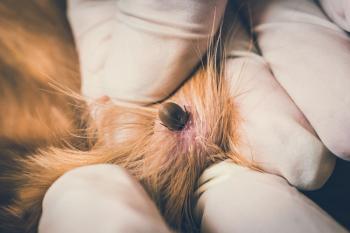
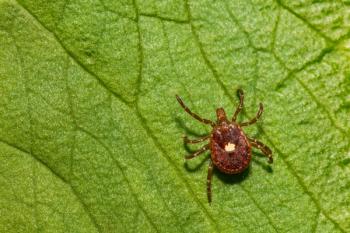
Susan E. Little, DVM, DACVM (Parasitology), explains how timing shapes transmission, how to remove ticks safely, what to do with an antibody-positive but well dog, and why year-round tick control protects pets and people.

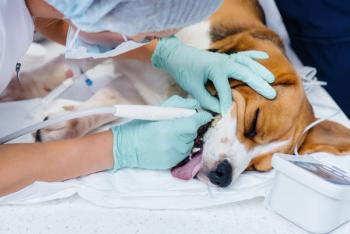
Laila Proença, DVM, PhD, MV, MSc, DACZM explains that affordable intraoral cameras plus mandatory pre- and post-extraction imaging let general practitioners perform safe, complete dental extractions.

Dr Sykes outlines why new evidence on leptospirosis epidemiology and safer vaccines led to a recommendation for annual vaccination of all dogs.

Vicky Ograin, MBA, RVT, VTS (Nutrition) recommends assessing and optimizing a patient’s nutritional plane before elective surgery and sending patients home on a complete, digestible GI diet to improve outcomes.

Christopher Lee, DVM, MPH, DACVPM, DACVM (Parasitology), argues for year-round isoxazoline use, noting that interrupting the flea life cycle protects both pets and people.

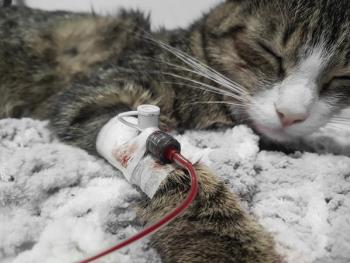
Nutrition can affect post-surgical recovery. Two simple questions can help guide productive conversations about a pet’s diet.

Pamela Jones, DVM, DACVIM (Oncology), explains why lymphoma isn’t one disease and how phenotyping, client goals, and teamwork guide individualized treatment.

From lab values to suction canisters and soaked sponges, Gianluca Bini, DVM, MRCVS, DACVAA, breaks down what actually helps, and what doesn’t, when estimating blood loss during surgery, in this post-conference interview with dvm360.

Discover effective strategies for staff meetings and process improvement in veterinary practice management with insights from Peter Weinstein, DVM, MBA

Benita Altier, LVT, VTS (Dentistry), discusses the types of dentistry cases that a general practitioner might be more comfortable referring to a specialist.

Peter Weinstein, DVM, MBA, urges veterinary teams to adopt WONJI—Work On, Not Just In—by scheduling regular time away from day-to-day duties to build vision, values, and strategy.

Heidi Lobprise, DVM, DAVDC, discusses the importance of dental care for senior pets, addressing periodontal disease, stomatitis, and tooth resorption.

Tannetje Crocker, DVM, discussed common emergencies presented to GP veterinary teams and some key considerations.

Catharine Scott-Moncrieff, Vet MB, MA, MS, DACVIM-SAIM, DECVIM-CA, explains when she prescribes insulin vs SGLT2 inhibitors, how to monitor for ketosis, and which factors most influence diabetic remission in cats.

Benita Altier, LVT, VTS (Dentistry), discusses how veterinary professionals can choose the best lighting and magnification tools for their individual needs.

Susan Little, DVM, PhD, DACVM (Parasitology), explains how transmission timing differs by pathogen, demonstrates safe tick removal, and shows why year-round systemic tick control plus targeted vaccines best protect pets.

Pamela D. Jones, DVM, DACVIM (Oncology), DACVR (Radiation Oncology), shares strategies for diagnosing and treating canine lymphoma, emphasizing personalized care and emerging therapies.

Alex Sigmund, DVM, DACVO, explains how to evaluate senior patients’ eyes, weigh medication and surgical risks, and use simple exams to guide compassionate and practical care.

Benita Altier, LVT, VTS (Dentistry), discusses the importance of good posture when caring for patients and how dentistry tools can help.

Discover key insights on decision-making biases in veterinary care from Erik Zager, DVM, DACVECC.

Erik Zager, DVM, DACVECC, kicks off Fetch Long Beach with an evidence-based framework for everyday clinical decision-making.

These practical, case-focused sessions at Fetch Long Beach promise to deliver immediate, clinic-ready skills.

Learn 3 essential vaccine management tips from Christopher Lee, DVM, MPH, DACVPM, DACVM (Parasitology), focusing on epinephrine use, hypersensitivity reactions, and optimal vaccine locations.


In a dvm360 interview, Christopher Lee, DVM, MPH, DACVPM, DACVM (Parasitology); Cert: FFC, CFV, RECOVER-ALS, recommends prioritizing epinephrine and species-specific administration to improve patient outcomes.

Upcoming industry events and association meetings are listed.

Karen Kline, DVM, MS, DACVIM (Neurology), offers insights for veterinarians handling neurologic emergencies

Karen Kline, DVM, MS, DACVIM (Neurology) talks about the process of neurolocalization

Karen Kline, DVM, MS, DACVIM (Neurology), shares common anticonvulsants for patients with seizures, and offers advice for veterinarians conducting a neurologic examination