


Feature|Videos|November 8, 2023
Fighting rabies in India, cheetah cubs born, and more
Plus, meet Emily Tincher, DVM, who joins the show to discuss spectrum of care
Advertisement



Advertisement
Sponsored by Nationwide
The latest episode of dvm360 Live!™ features guest Emily Tincher, DVM, senior director of pet health at Nationwide. Host Adam Christman, DVM, MBA, leads with trending headlines and big news in the world of veterinary medicine. Read below for full links to the stories discussed in the video:
Free vaccination camps and education to help combat rabies crisis in India : Boehringer Ingelheim India is taking a 2-pronged approach to addressing this epidemic5 cheetah cubs born at Smithsonian’s National Zoo and Conservation Biology Institute : Significant births as cheetahs are considered vulnerable to extinction
Advertisement
Related to this article

A diplomate of the American College of Veterinary Preventive Medicine shares how board certification bridged the gap between epidemiology theory and real-world practice.

A small French study found the inflammation marker helped separate some causes of breathing trouble in cats. A larger German study found it could not clearly tell respiratory conditions apart.
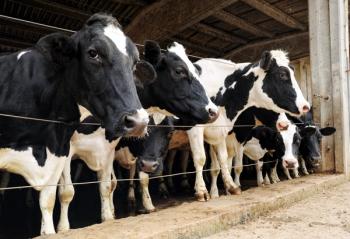
The state is the 22nd to report the virus in cows, and the outbreak next door has been linked to 3 human infections, including 1 death.
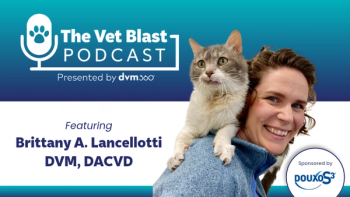
Brittany Lancellotti, DVM, DACVD, explains how regional allergen patterns, an at-home topical toolbox, and routine cytology can help general practitioners stay ahead of seasonal allergic dermatitis in this episode of The Vet Blast Podcast, presented by dvm360.
The free online tool from the University of Minnesota catalogs vaccines, either in the works or already on the market, for dogs, cats, livestock, and poultry.
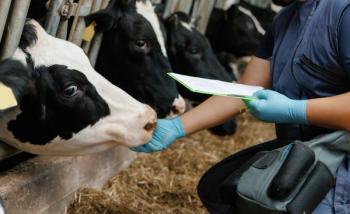
Seven veterinarians will share $890,000 in grants. A September federal report found most rural counties have been part of a shortage area.

A 5-dog case series describes ocular signs ranging from blepharitis to retinal detachment and blindness, with relapses in some dogs despite prolonged clindamycin therapy.

The new Zoetis injection is given every 75 days vs every 4 to 8 weeks for the original Cytopoint product.