- Indicated for the prevention and treatment of NWS infestations in lactating dairy cows, dry dairy cows, replacement dairy heifers, and dairy cattle 20 months and older, except calves intended for veal.
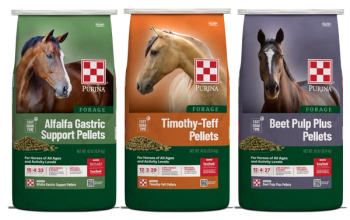
Horses
Dectomax/Dectomax-CA1 (doramectin injection) (FDA EUA)
- Indicated for the prevention of NWS infestations in horses 1 year and older.
F10 Antiseptic Wound Spray With Insecticide (benzalkonium chloride, polyhexanide, and cypermethrin topical solution) (FDA EUA)
- Indicated for the prevention and treatment of NWS infestations.
F10 Antiseptic Barrier Ointment With Insecticide (benzalkonium chloride, polyhexanide, and cypermethrin topical ointment) (FDA EUA)
- Indicated for the prevention and treatment of NWS infestations.
Negasunt Powder (coumaphos, propoxur, and sulfanilamide topical powder) (FDA EUA)
- Indicated for the prevention and treatment of NWS infestations.
- Extralabel use is not permitted.
Sheep
Negasunt Powder (coumaphos, propoxur, and sulfanilamide topical powder) (FDA EUA)
- Indicated for the prevention and treatment of NWS infestations.
Dectomax/Dectomax-CA1 (doramectin injection) (FDA EUA)
- Indicated for the prevention of NWS infestations in sheep, except lactating sheep.
Goats
Negasunt Powder (coumaphos, propoxur, and sulfanilamide topical powder) (FDA EUA)
- Indicated for the prevention and treatment of NWS infestations.
Swine
Negasunt Powder (coumaphos, propoxur, and sulfanilamide topical powder) (FDA EUA)
- Indicated for the prevention and treatment of NWS infestations.
Dectomax/Dectomax-CA1 (doramectin injection) (FDA EUA)
- Indicated for the prevention of NWS infestations.
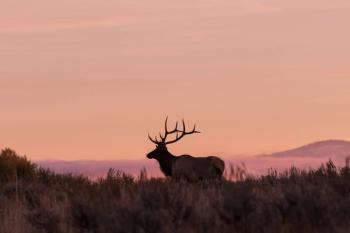
Deer
Dectomax/Dectomax-CA1 (doramectin injection) (FDA EUA)
- Indicated for the prevention of NWS infestations.
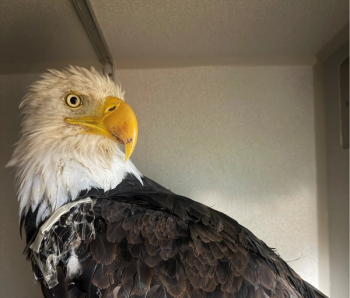
Exotic, zoo, and wildlife species
F10 Antiseptic Wound Spray With Insecticide (benzalkonium chloride, polyhexanide, and cypermethrin topical solution) (FDA EUA)
- Indicated for the prevention and treatment of NWS infestations in minor species of hoofstock, raptors and other wild birds, pet birds, and captive wild, exotic, and zoo mammals.
F10 Antiseptic Barrier Ointment With Insecticide (benzalkonium chloride, polyhexanide, and cypermethrin topical ointment) (FDA EUA)
- Indicated for the prevention and treatment of NWS infestations in minor species of hoofstock, raptors and other wild birds, pet birds, and captive wild, exotic, and zoo mammals.
Negasunt Powder (coumaphos, propoxur, and sulfanilamide topical powder) (FDA EUA)
- Indicated for the prevention and treatment of NWS infestations in captive wild, exotic, and zoo mammals.
What the FDA wants veterinarians to know
On June 5, 2026, the FDA Center for Veterinary Medicine published a dear veterinarian letter with guidance that all practitioners using these products should review. Key points include the following2:
- No product currently has full FDA approval for NWS. All authorized products are either conditionally approved or operating under an EUA. FDA reviewed data on animal safety, effectiveness, and food safety before authorizing each one.
- EUA products carry specific obligations. Veterinarians prescribing an EUA product must inform clients that it is authorized for emergency use but not FDA approved. Practitioners are responsible for discussing risks, benefits, and available alternatives. For food-producing animals, clients must be informed of any applicable withdrawal times.
- Record keeping is required for EUA products. Veterinary facilities must maintain records, including client and patient information, product details (doses, lot number, coadministered drugs), and the specific EUA condition being treated. Each product's letter of authorization contains specific requirements.
- Use only authorized products and only when medically necessary. The FDA has noted that antiparasitic resistance in NWS has developed over time in some countries. Misuse, overuse, or use of nonauthorized products risks undermining the effectiveness of antiparasitic drugs against NWS and other parasites. Unauthorized products have also not been reviewed for safety or food residue concerns.
- Extralabel use rules still apply. Extralabel use is only permitted for products with full FDA approval, not for conditional approvals or EUAs. A handful of products carry full approval for non-NWS indications alongside a conditional approval or EUA for NWS, and those may be used extralabel. Veterinarians should review Title 21 of the Code of Federal Regulations, Part 530, for full requirements.
- Report adverse events. The FDA asks veterinarians to report any adverse events, including lack of effectiveness, to the product sponsor or directly to FDA.
Questions can be directed to the FDA Center for Veterinary Medicine at AskCVM@fda.hhs.gov. For region-specific risk guidance, contact your state veterinarian.
References
- New World screwworm: information for veterinarians. FDA. Updated June 5, 2026. Accessed June 8, 2026. https://www.fda.gov/animal-veterinary/safety-health/new-world-screwworm-information-veterinarians#Approval
- Dear veterinarian letter: use of FDA-authorized animal drugs against New World screwworm myiasis. FDA. June 5, 2026. Accessed June 8, 2026. https://www.fda.gov/animal-veterinary/product-safety-information/dear-veterinarian-letter-use-fda-authorized-animal-drugs-against-new-world-screwworm-myiasis