New CATalyst Council data show cat visits growing for a third straight year. The bigger question for practices may be how many new kittens are still coming in as they age.

Discover effective strategies for staff meetings and process improvement in veterinary practice management with insights from Peter Weinstein, DVM, MBA.
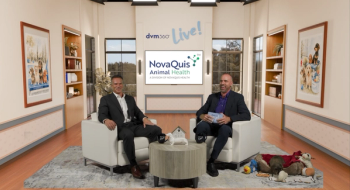
In this dvm360 interview at Fetch Long Beach, Peter Weinstein, DVM, MBA, speaks from decades of practice management experience about how to run better staff meetings, build repeatable processes your whole team owns, measure whether changes are working, and bring people on board without top-down friction. He explains the benefits of explicitly scheduling time to strategically plan for your practice as a business, a concept he calls WONJI (Working On, Not Just In).
Editor’s note: This dvm360 Q&A has been lightly edited and consolidated from a verbal interview to better fit a written format while retaining the substance of the original conversation.
Weinstein: WONJI stands for “[Working] On, Not Just In.” We get so embedded in day-to-day operations that we forget the bigger picture. If you don’t program the GPS for your practice [vision, mission, values, standards of care], you won’t get where you want to go. Schedule time away—at the beach, on a mountain, even in your car—to think, plan, and set direction. If you don't schedule it, it won't happen.
Weinstein: Stop using staff meetings for public flogging. Make them short, focused, and agenda-driven. Assign time limits to agenda items and use meetings as a classroom. Teach something clinical or managerial, celebrate wins, and revisit your mission/"why" at the start of every meeting. Forward-looking is better than rehashing mistakes.
Weinstein: Create recipes, [or] step-by-step processes, so tasks don’t depend on a single person. Scripts and written procedures aren’t about making people robotic; they’re about consistent, high-quality output in everyday tasks like phone answering, presenting invoices, prepping surgical packs, and cleaning cages. Do it right the first time so you don’t have to apologize later.
Weinstein: Look for objective and subjective measures. Subjectively, staff will feel more prepared and satisfied. Objectively, track staff retention, client retention, reduced waste, and profitability. Consistent client and patient experiences are measurable and will show whether your process is delivering.
Weinstein: Don’t force change [from the] top down. Ask your team where the pain points are and invite suggestions. Let the people who do the work build the process. For example, video a team member doing the task, add audio, transcribe it, and create a written “recipe.” That staff-driven approach creates buy-in because the team owns the improvement.
Weinstein: Treat your team as the practice’s greatest asset. Veterinary medicine is a team sport; we can’t do the work without our people and our clients. Leaders should be positive, respectful, and invest in the team.
To read more news and view expert insights from Fetch Long Beach, visit dvm360’s dedicated site for conference coverage at